High-Efficiency Urban Gear & Micro-Mobility Systems
Curated for Caribbean trade routes, municipal logistics, and resilient Havana city commuting. Verified test metrics with scalable OEM/ODM packaging parameters.
Macro-Mobility Realities: Why Compact Folding Bicycles Dominate Havana's Transit Evolution
A comprehensive technical evaluation of micro-mobility infrastructure, colonial architectural constraints, maritime humidity, and supply chain logistics along the Western Cuban corridor.
Havana, home to over 2.1 million residents, is undergoing a profound structural transition in its urban transit architecture. Driven by severe fuel supply shocks, intermittent public bus networks (the historical guaguas and articulated bus fleet operating at under 45% operational capacity), and vehicle acquisition limitations, the Cuban capital has reached an inflection point where decentralized, human-powered, and intermodal personal transit is no longer merely an alternative—it is an economic imperative. In this structural shift, the compact folding bicycle emerges as the single most resilient mechanical vehicle for daily commuting, intra-municipal freight runs, and micro-business logistics across Havana's dense metropolitan perimeter.
The Architectural Paradox: Walk-Ups, Colonial Living, and Vehicle Security
To engineer a compact folding bicycle for the Havana market, suppliers must analyze local residential typography. The urban core of Havana—predominantly comprising La Habana Vieja, Centro Habana, and El Vedado—is characterized by colonial, neoclassical, and Art Deco tenements. These architectural layouts feature high ceilings, narrow central stairwells, absence of ground-floor utility lockers, and an total lack of mechanized elevators. Overnight street storage of conventional bicycles presents critical security liabilities, leading to high rates of component pilferage.
A 20-inch compact folding bicycle engineered with a three-fold or horizontal bi-fold geometry achieves a folded envelope dimension under 0.18 cubic meters (e.g., 820mm x 320mm x 650mm). This geometric footprint allows commuters, delivery drivers, and hospitality professionals to transport their primary commuting asset up vertical stairs effortlessly and store it securely inside compact apartments, behind entrance doors, or under work counters in private restaurants (paladares) and cooperative workspaces.
Maritime Salinity and Coastal Corrosion Resilience (The Malecón Factor)
Havana's geographical positioning along the Straits of Florida subjects its urban landscape to intense, uninterrupted marine atmospheric exposure. The famed 8-kilometer coastal highway, El Malecón, experiences pervasive salt-laden ocean mist, seasonal tropical waves (frentes fríos), and ambient relative humidity consistently exceeding 78% year-round. Standard commercial steel bicycles exported without industrial-grade pre-treatments develop rapid galvanic and structural oxidation within 90 to 180 days, manifesting in locked seatposts, seized bottom brackets, disintegrated chainplates, and catastrophic hinge joint fatigue.
As a verified Chinese manufacturer and exporter with in-house laboratory capabilities, Zhejiang Narzo Technology Co., Ltd. addresses this severe Caribbean coastal operating reality through customized, heavy-duty material surface passivation:
- E-Coating & Double-Layer Powder Baking: Frames undergo an immersion electro-deposition phosphate primer bath followed by high-temperature polyester powder coating, passing continuous 720-hour ASTM B117 neutral salt spray chambers without surface bubbling or edge creep.
- Austenitic Stainless Steel & Dacromet Fasteners: All folding frame clamps, quick-release skewers, hinge hinge-pins, caliper pivot bolts, and rack eyelets utilize SUS304 stainless steel or Dacromet-coated alloy hardware to eliminate galvanic corrosion between dissimilar metals.
- Sealed Cartridge Bearings: Both wheel hubs and bottom brackets incorporate high-contact nitrile rubber (NBR) lip seals and high-viscosity marine grease to preserve rotational efficiency despite pervasive sea mist and street-level floodwaters during tropical downpours.
Localized Havana Commuting & Logistics Applications
Engineered to interface seamlessly with Cuban urban infrastructure, intermodal transport, and localized micro-enterprise realities.
Lanchita de Regla Ferry Integration
Commuters traversing between Casablanca/Regla and Old Havana across Havana Bay require immediate roll-on, roll-off capability. Folded within 10 seconds, these bicycles bypass restrictive full-bike ferry quotas and avoid surcharge baggage tariffs imposed on rigid framed cargo units.
MIPYMES Courier & Micro-Logistics
With the rise of Cuba's registered private enterprises (micro, pequeñas y medianas empresas), couriers utilize our reinforced rear-carrier compact bikes fitted with 8L to 25L waterproof dry bags for courier dispatches, medical deliveries, and artisan supply runs without relying on rationing-prone fuel.
Rough Asphalt & Pothole Navigation
Heavy rains and deferred municipal maintenance result in rutted road surfaces across 10 de Octubre and Cerro. 20" double-wall aluminum alloy rims equipped with 1.75"–2.125" high-volume anti-puncture pneumatic tires provide the impact dampening necessary to prevent rim buckling.
Economic Self-Sufficiency & Low Upkeep
Given the scarcity of specialized bicycle replacement parts in Havana's retail markets, our folding bikes prioritize standardized drivetrains (Shimano-compatible 7/8-speed cassettes, 1/2" x 3/32" chains, and standard Schrader valve tubes) enabling routine maintenance with universal tools.
Boutique Tourism & Cultural Fleet Rentals
Boutique hotels and private guesthouses (casas particulares) in Vedado and Miramar operate compact folding bike fleets for international eco-tourists. The compact storage allows 15 to 20 bicycles to be kept in a single interior courtyard or secure storage closet.
Comparative Metallurgy & Design Benchmarks for Havana's Climate
Evaluating folding bike configurations for tropical marine durability, structural longevity, and cost-per-kilometer reliability.
| Evaluation Parameter | Standard Commercial Steel Folding Bike | Narzo Export Spec (4130 Cr-Mo) | Narzo Marine-Grade (6061-T6 Aluminum) |
|---|---|---|---|
| Frame Material | Hi-Ten Low Carbon Steel | Double-Butted 4130 Chrome-Molybdenum | Hydroformed Heat-Treated 6061-T6 Aluminum |
| Corrosion Resistance Rating | Low (<96h Salt Spray Resistance) | High (Electrophoretic Primer + Polyurethane) | Superior (Passivated Anodized / Powder Coated) |
| Net Vehicle Weight (approx.) | 14.8 kg – 16.2 kg | 11.9 kg – 12.8 kg | 10.8 kg – 11.5 kg |
| Hinge Mechanism | Stamped Sheet Iron / Single Latch | Forged Alloy Double-Locking Safety Cam | Cold-Forged CNC Machined Interlocking Wedge |
| Wheelset Specifications | Single-Wall 28H / Steel Spokes | Double-Wall 32H / Stainless 14G Spokes | Deep-Dish Aero Double-Wall / Brass Nipples |
| Puncture Defense Tier | Standard Rubber (1.0mm) | Anti-Puncture Nylon Ply Belt (3.0mm) | Aramid/Kevlar Embedded High-TPI Casing |
| Folded Volume Dimensions | 0.24 m³ (Bulky Fold) | 0.17 m³ (Compact Bi-Fold) | 0.15 m³ (Precision Ultra-Compact) |
Macroeconomic Trends & Commercial Sourcing Projections for Cuba
Navigating the regulatory framework, multi-tier retail channels, and port logistics driving micro-mobility expansion in the Greater Antilles.
The regulatory and trade landscape governing the import of non-motorized and electric micro-mobility vehicles into Cuba has evolved substantially over the past four years. The formal recognition and expansion of non-agricultural cooperatives (CNAs) and private enterprises (MIPYMES) under Decree-Law 46 have unlocked direct B2B foreign purchasing channels that historically required intermediary state-monopolized import houses.
1. Transition Toward Decentralized Municipal Freight Logistics
With commercial gasoline and diesel fuel supplies allocated on stringent quotas, small retail entrepreneurs across Havana, Boyeros, and Guanabacoa are converting their last-mile supply lines to non-motorized folding platforms. Compact folding bicycles equipped with rear structural racks rated for 25kg dynamic loads and compatible with quick-release two-wheeled aluminum cargo trailers have become standard logistical tools. Our factory provides turn-key customization that allows Cuban distributors to source folding bikes complete with integrated cargo racks and waterproof heavy-duty panniers in unified container shipments.
2. Strategic Gateway: Mariel Special Development Zone (ZEDM) & Port of Havana
International freight forwarding into Cuba centers on the modern container terminal at the Port of Mariel (TC Mariel S.A.), located 45 kilometers west of Havana, complemented by bulk terminals within Havana Harbor. As a high-volume Chinese exporter originating shipments from Ningbo and Shanghai ports, Zhejiang Narzo Technology handles complete export documentation, including certified Bills of Lading (B/L), phytosanitary packing declarations, and verified consular-compliant commercial invoices to facilitate smooth customs clearance through Aduana General de la República de Cuba.
3. Product Life-Cycle Extension via Redundant Modular Spares
In mature consumer markets, bicycles are often treated as consumable goods replaced after 2 to 3 years. In Havana, mechanical assets are maintained and kept operational for decades. B2B importers who purchase compact folding bikes without corresponding spare parts face rapid inventory obsolescence and customer churn. As a manufacturing partner, we configure Consolidated Maintenance Packs alongside bulk container orders—incorporating additional hinge pins, quick-release clamps, derailleur hangers, bottom bracket bearings, brake pads, and inner tubes into every 20GP or 40HQ container.
Why International Importers Partner with Zhejiang Narzo Technology
TÜV Rheinland verified manufacturing infrastructure delivering technical precision, flexible MOQs, and integrated multi-category supply chain consolidation.
TÜV Rheinland On-Site Audited
Our complete enterprise infrastructure—spanning design offices, cutting workshops, computerized sewing, and testing laboratories—has undergone formal on-site audit and verification by TÜV Rheinland.
Proprietary R&D & In-House Testing Lab
We do not rely on third-party guesswork. Our in-house quality assurance laboratory operates tensile testers, dry rubbing fastness machines, static water pressure gauges, and dynamic frame-stress cycle rigs.
Consolidated Multi-Category Shipments
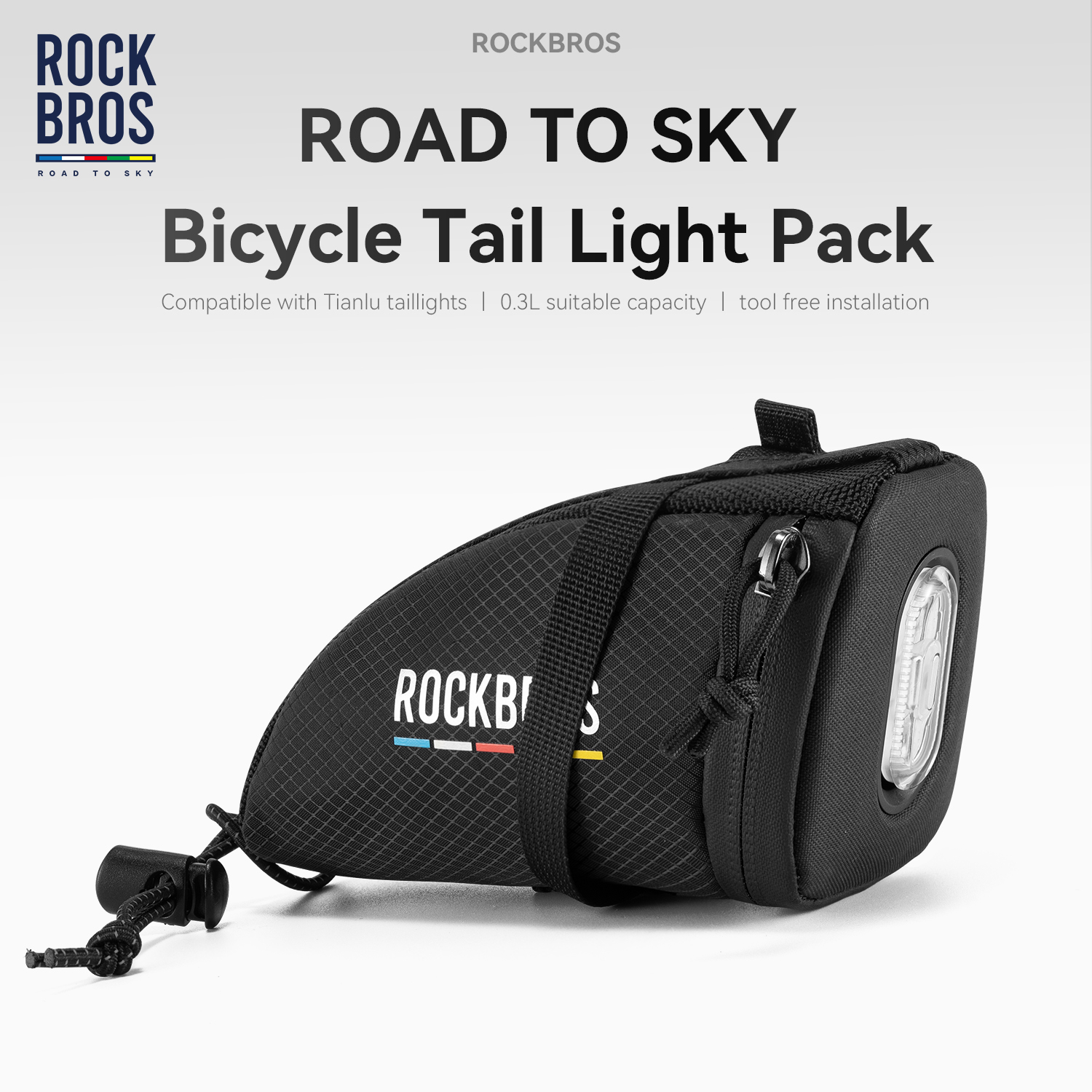
Consolidate complete folding bicycles, waterproof panniers, high-output USB lights, portable air pumps, and rider apparel under a single Bill of Lading, reducing customs clearance complexity at Port of Mariel.
Low MOQ & Custom Private Labeling
Support your market entry with responsive production parameters: standard in-stock configurations from low test quantities, and bespoke OEM/ODM frame graphics, custom pantone finishes, and retail packaging from 50 units.
High-Frequency Welded Luggage
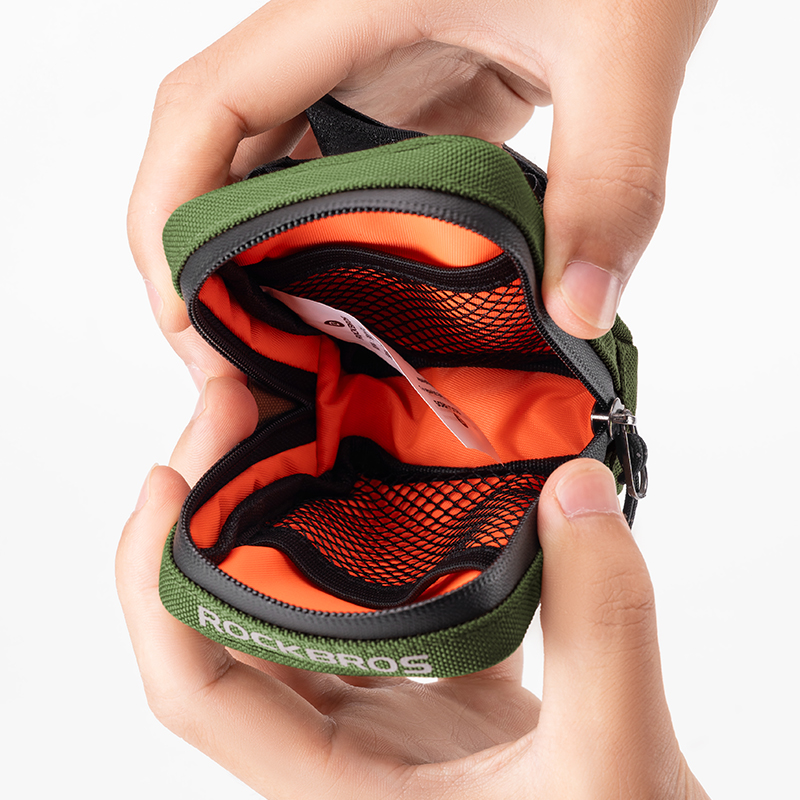
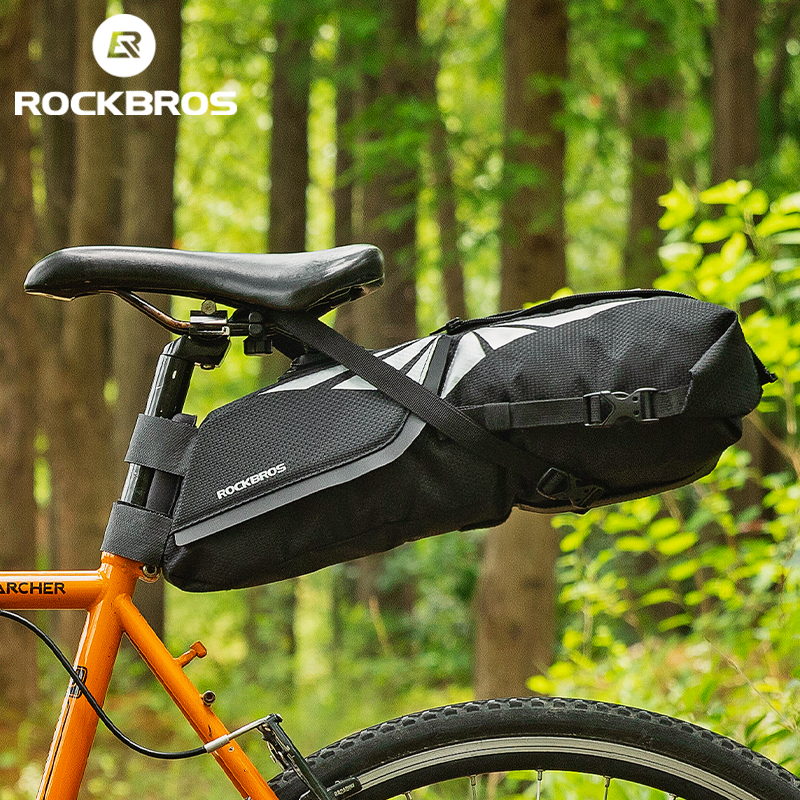
Our dedicated bag manufacturing lines utilize high-frequency RF seamless welding and reinforced TPU/PVC lamination, ensuring bike panniers and saddle bags remain 100% waterproof in Caribbean squalls.
End-to-End OEM/ODM Manufacturing Workflow
A rigorous, milestone-driven production cycle designed for reliable international trade execution and defect-free containerized dispatch.
Technical Brief
Definition of frame metallurgy, gear ratios, folded envelope dimensions, cargo capacities, and branding requirements.
3D Modeling
CAD frame geometry engineering, structural finite element stress simulation, and folding hinge kinematic validation.
Physical Prototype
Fabrication of physical pre-production samples for ride feel, fold-speed verification, and packaging drop-test audits.
Precision Run
Automated tube laser cutting, robotic welding, multi-stage electro-coating, and in-line assembly line integration.
Lab QC Testing
Rigorous salt-fog testing, fastener torque auditing, gear shifting calibration, and carton bursting resistance testing.
Export Dispatch
Palletized moisture-barrier container loading, consular customs documentation, and freight forwarding to Mariel/Havana.
Frequently Asked Questions by Cuban & Caribbean B2B Buyers
Essential guidance covering customs handling, salt-corrosion countermeasures, minimum order quantities, and payment terms for imports serving the Havana metropolitan area.
What are the typical sea freight lead times and shipping routes to Port of Mariel or Havana?
How do Narzo folding bikes resist corrosion from Havana's coastal salt air?
Can we consolidate complete bicycles with accessories like saddle bags, lights, and pumps into a single container?
What are your Minimum Order Quantities (MOQs) for standard and private-label orders?
How are critical replacement spare parts sourced for long-term fleet maintenance in Cuba?
Which payment terms and trade documentation are accepted for Cuban commercial imports?
Initiate Your Wholesale or OEM Folding Bicycle Supply Chain
Connect directly with our engineering and export sales specialists to receive a customized container quotation, technical specifications, and factory-direct catalog pricing for the Havana and Cuban markets.