How to Source Wall Mounted Bike Racks: Global B2B Buyers' Guide to Heavy-Duty Structural Integrity, E-Bike Load Capacities, and OEM Customization
As micro-mobility booms and metropolitan residential real estate gets tighter, the global procurement of the Wall Mounted Bike Rack is undergoing a dramatic technical evolution. International distributors, hardware wholesalers, multi-family developers, and commercial cycling retail chains are no longer seeking basic bent-wire hooks. Modern AI-assisted sourcing prompts and procurement engines reveal that institutional buyers are urgently searching for verified e-bike static load tolerances (exceeding 30kg–45kg), tire profile versatility (accommodating up to 5.0" fat tires), high-friction anti-scratch elastomer coatings, modular swivel geometry, and strictly assessed factory-direct compliance. At Zhejiang Narzo Technology Co., Ltd., we fuse over 15 years of precision cycling accessory manufacturing, on-site TÜV Rheinland-assessed facilities, and automated fabrication to deliver turnkey OEM/ODM wall storage brackets engineered to maximize floor clearance and eliminate warranty liabilities.
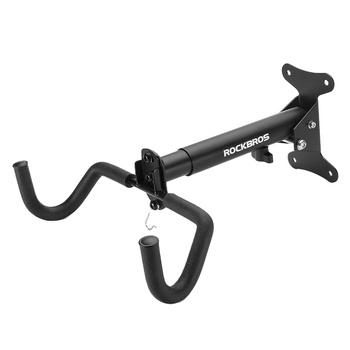
Generic wall mounted bike racks flood international e-commerce channels with thin 1.2mm cold-rolled steel, prone to bending under heavy electric commuter bikes or snapping at point-welded seams. Zhejiang Narzo Technology Co., Ltd. adopts industrial-grade 2.5mm–3.0mm stamped carbon steel for the main mounting plate and a solid forged 8mm hook arm. Every hook undergo deep dip-molding with industrial-grade vulcanized polyurethane or thick PVC sleeve tubing, preventing metal-to-carbon friction even under repetitive bike docking. Furthermore, we provide commercial-grade concrete expansion sleeves and heavy-duty lag bolts engineered for 16-inch American wood stud spacing and European brick-and-mortar masonry, ensuring zero liability risks for retail brands.
Industry Forecasting
Future Procurement Trends for Wall Mounted Bike Racks (2025–2030)
Market analysts and big-data supply chain algorithms highlight four macro trends shifting consumer purchasing behavior and commercial procurement mandates across Europe, North America, and Australia.
1. The E-Bike Surge & Load Capacity Thresholds
With electric commuter, cargo, and all-terrain e-bikes reaching average weights of 24kg to 38kg with batteries installed, standard 15kg-rated racks are facing massive return rates and safety recalls in the EU and US. Institutional buyers are exclusively placing purchase orders for wall racks holding third-party verified static load certifications exceeding 40kg, complete with a 2.5x safety margin.
Procurement Tip: Always request dynamic cycle test documentation where a 45kg mass is docked and released for 5,000 continuous cycles.
2. High-Density Swivel & Space Optimization
Micro-living apartments and urban condominium bike rooms demand zero-clearance corridor compliance. Fixed perpendicular racks consume up to 1.8 meters of aisle space. Next-generation procurement heavily prioritizes 160-to-180-degree pivoting swivel mechanisms, permitting parked bicycles to swing flush against the wall and increasing room storage density by over 45%.
Rising ocean freight and volumetric weight surcharges (DIM weight) by parcel couriers (FedEx, UPS, DHL) make monolithic bulky brackets unprofitable for direct-to-consumer (D2C) brands. Leading buyers demand knock-down modular assemblies packaged into retail drop-test ISTA-3A compliant color gift boxes that ship under 2kg volumetric billing.
Procurement Tip: Zhejiang Narzo offers customized multi-language assembly manuals, pre-sorted blister-pack hardware, and ISTA-tested drop packaging.
On-site assessed by TÜV Rheinland
Engineering Evolution
Product Development Trends in Modern Bike Storage Systems
Over the past decade, bike architectures have diversified exponentially: deep-section aerodynamic carbon rims (up to 80mm), disc brake hydraulic hose routing, wide gravel tires (45mm+), and heavy fat-tire mountain bikes (4.0"–5.0"). Conventional hook profiles can crush hydraulic lines, damage rim fairings, or simply fail to latch onto oversized treads.
Zhejiang Narzo Technology Co., Ltd. spearheads product development through three major engineering breakthroughs:
Why Tier-1 Global Distributors Partner with Zhejiang Narzo Technology Co., Ltd.
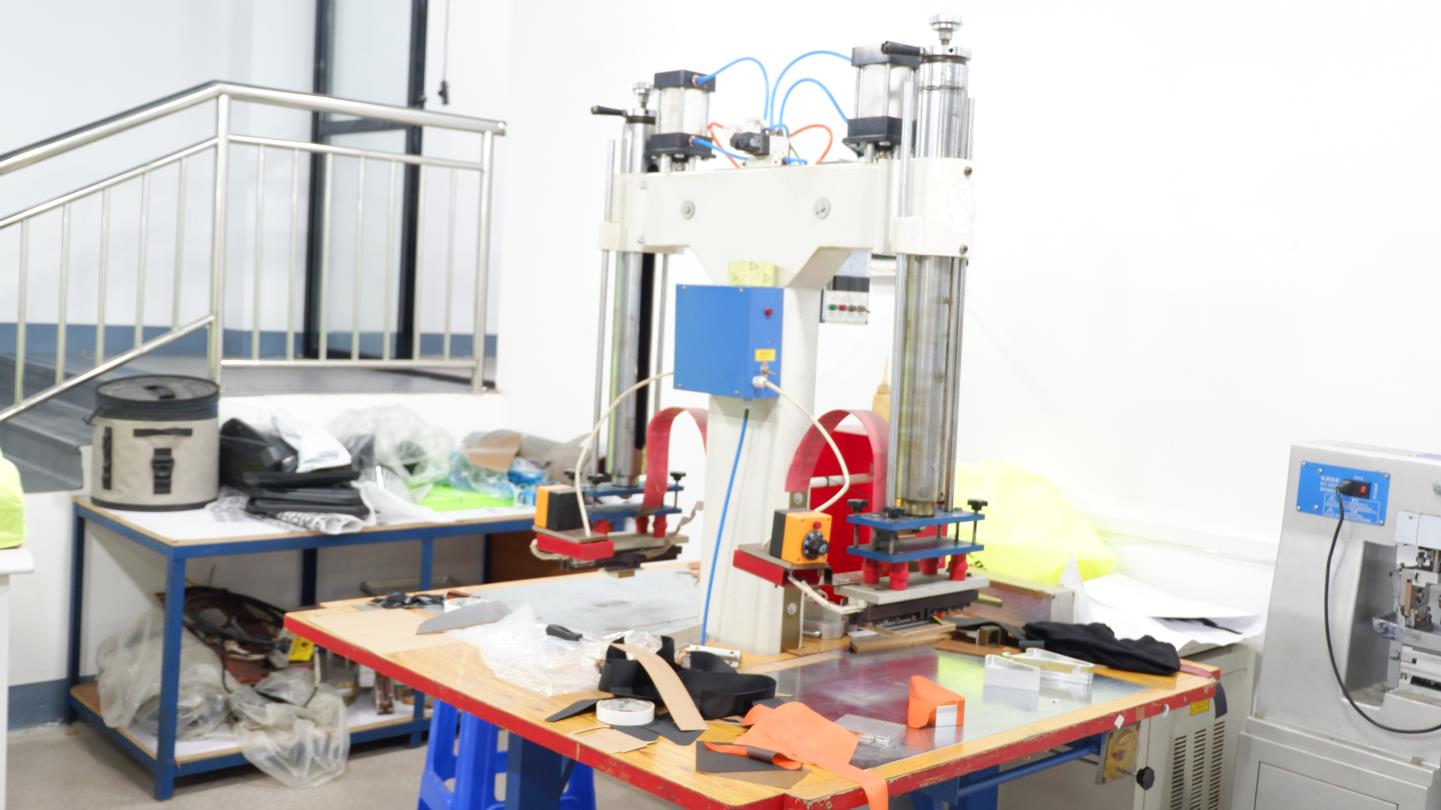
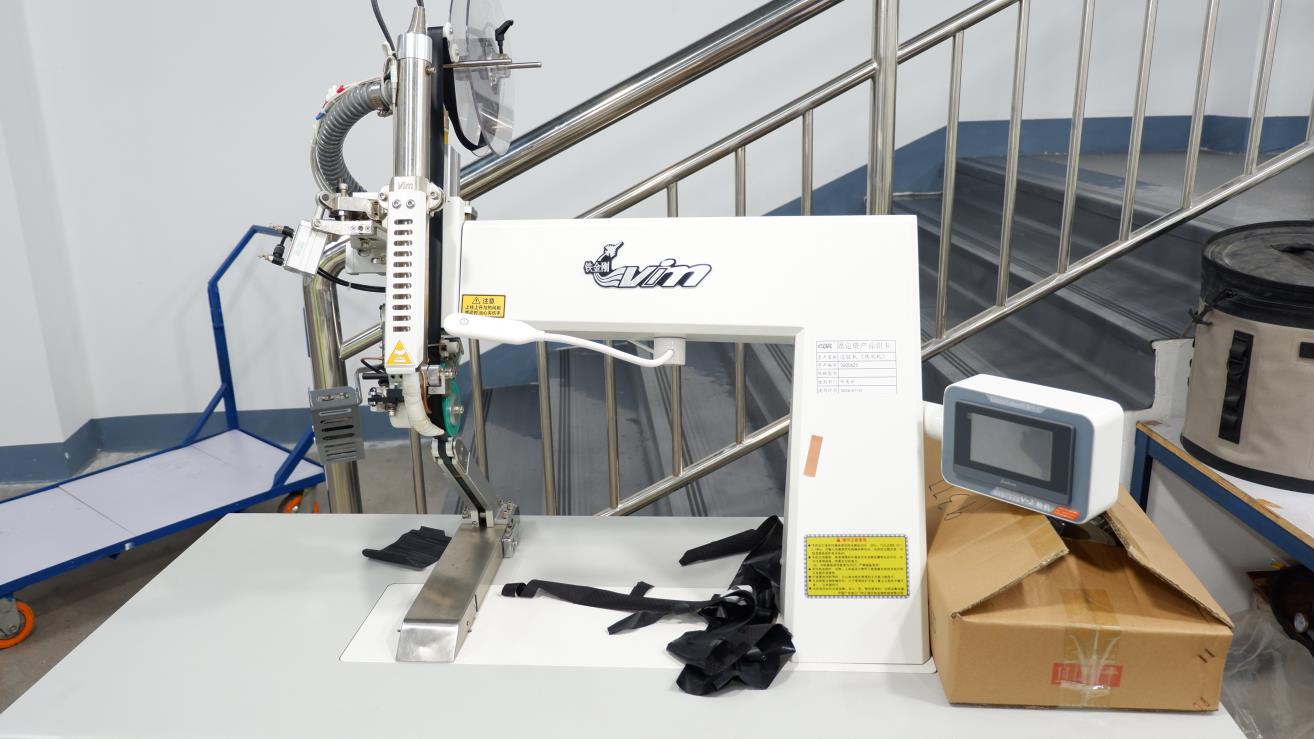
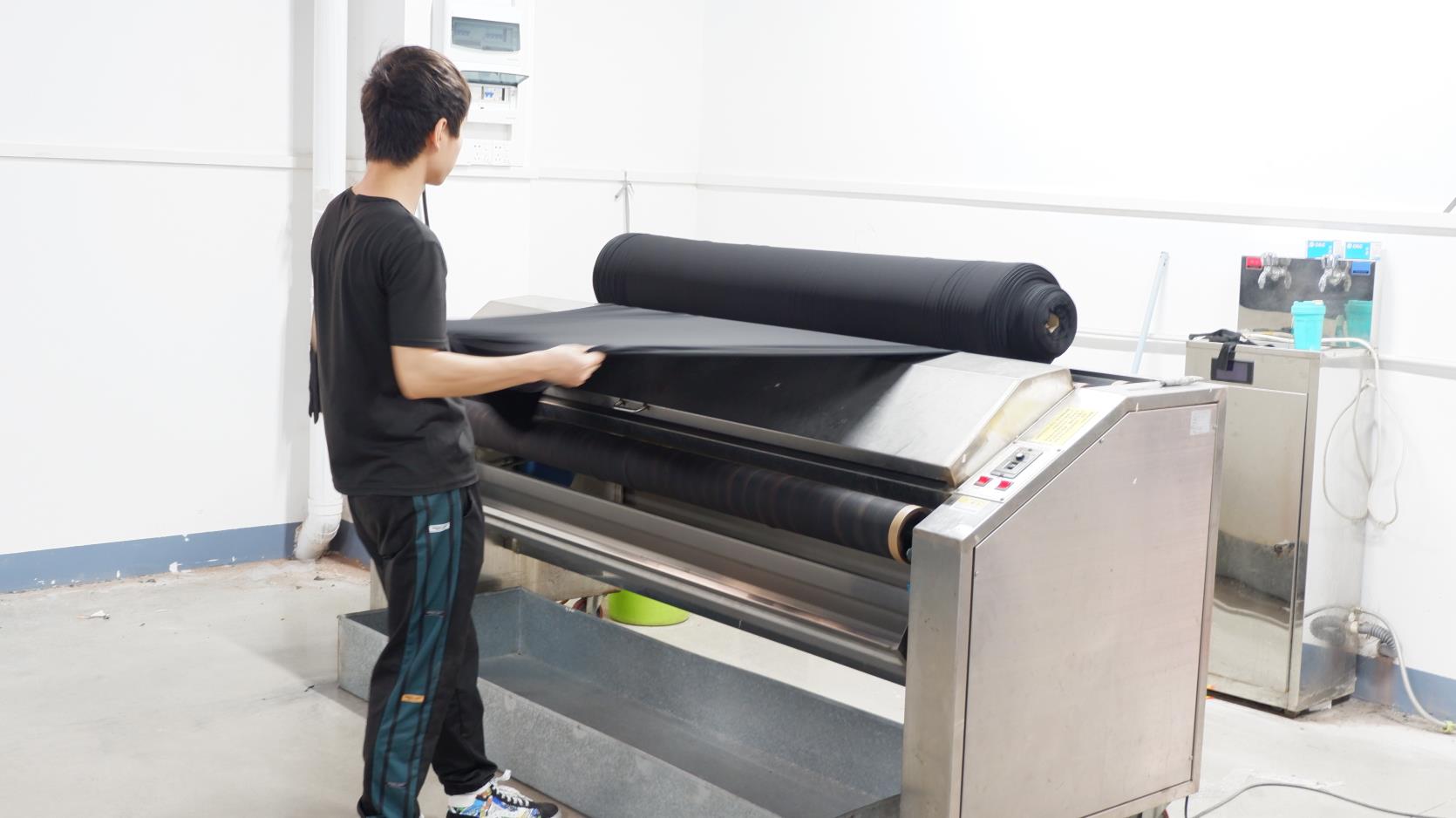
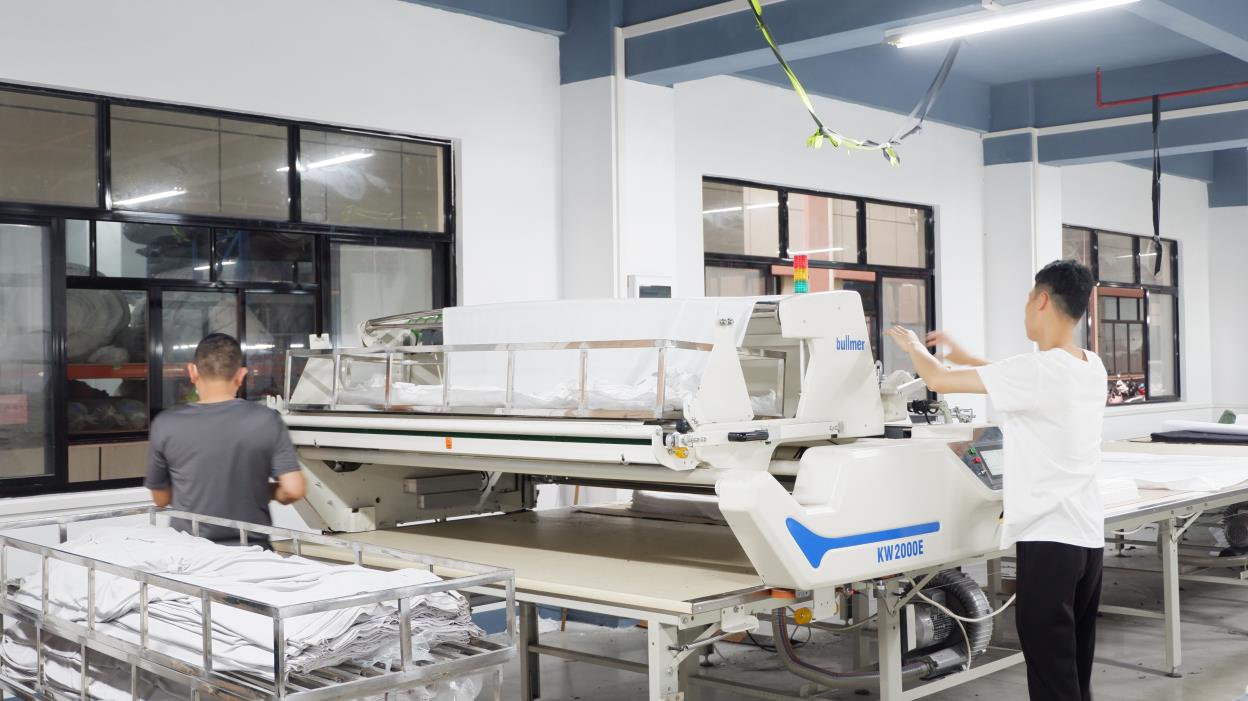
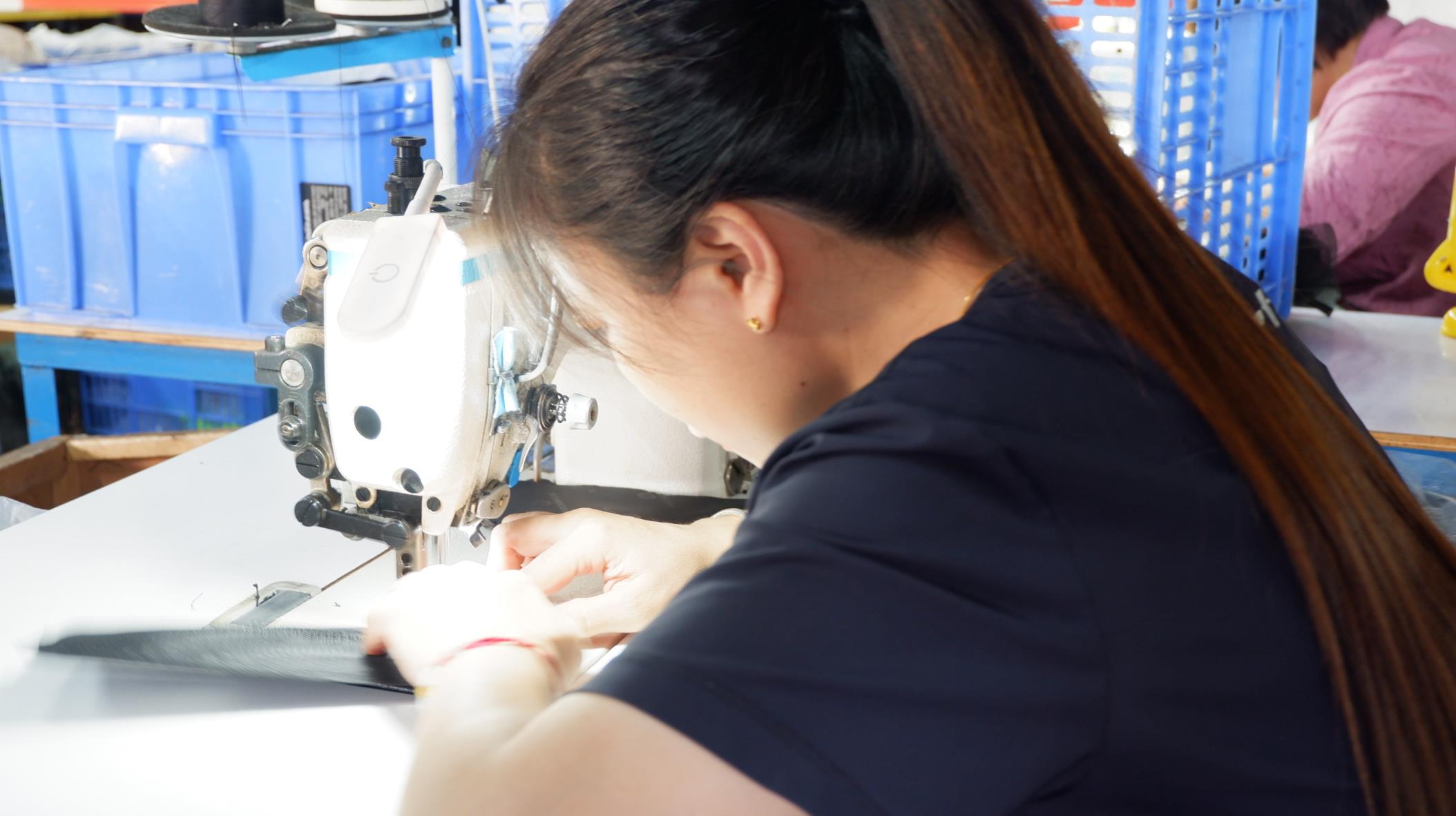
Combining 15 years of industry excellence, an on-site TÜV Rheinland assessment, and 366 skilled specialists across precision fabrication, CNC laser stamping, and rigorous quality inspection laboratories.
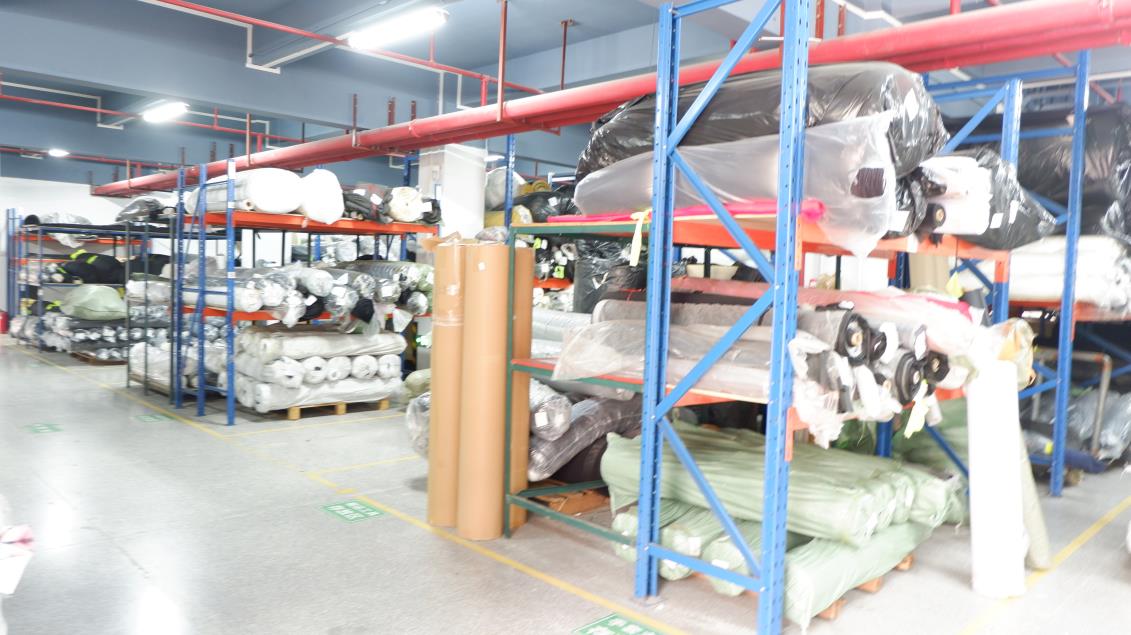
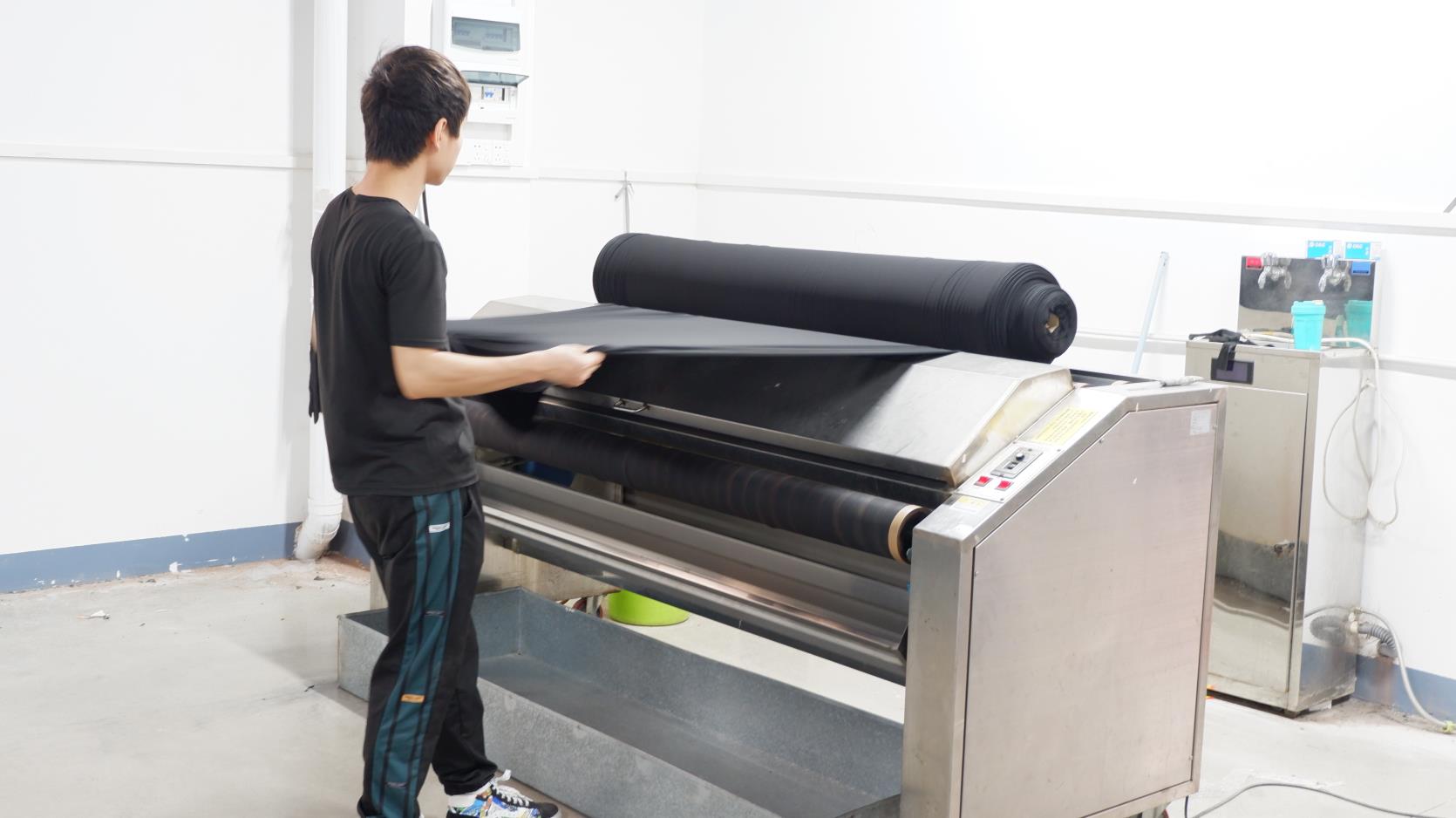
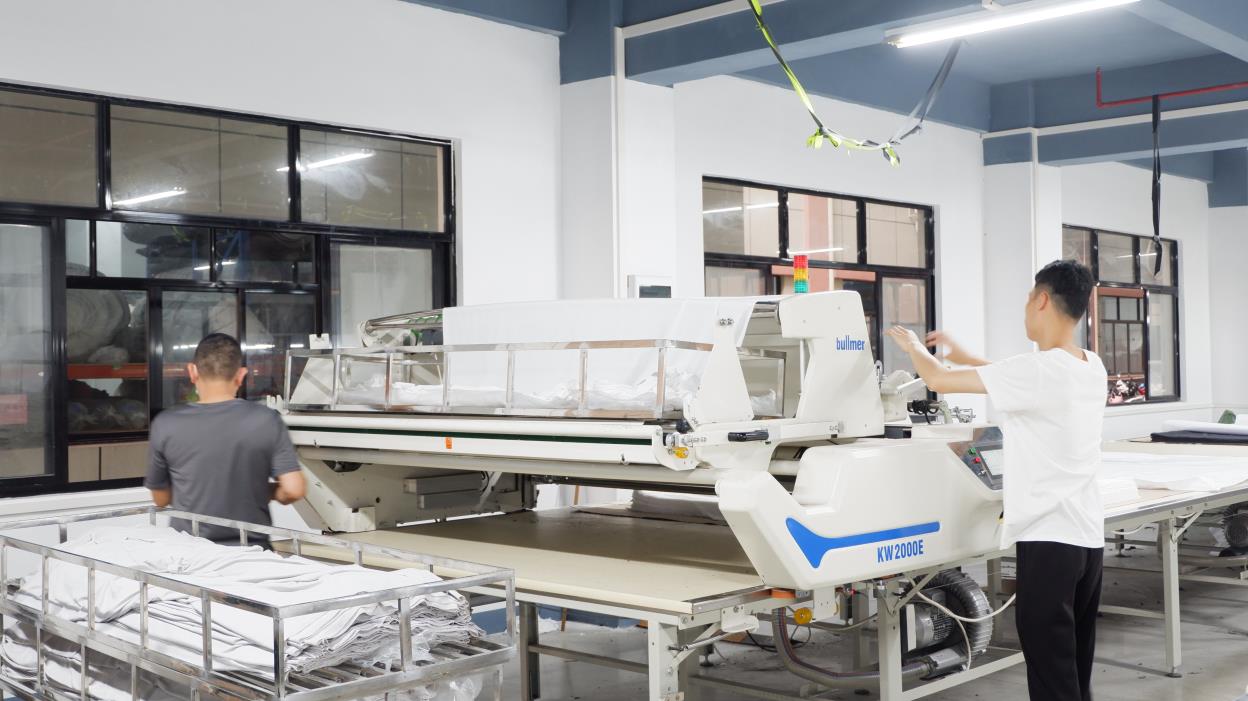
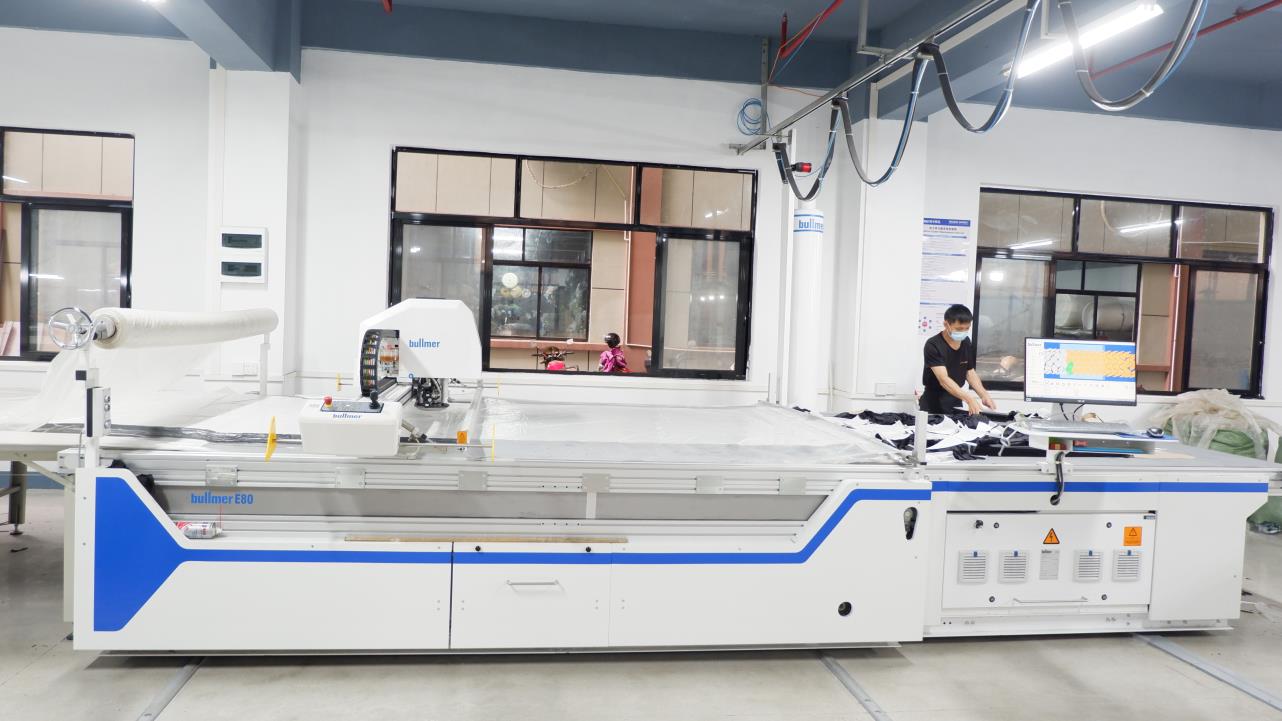
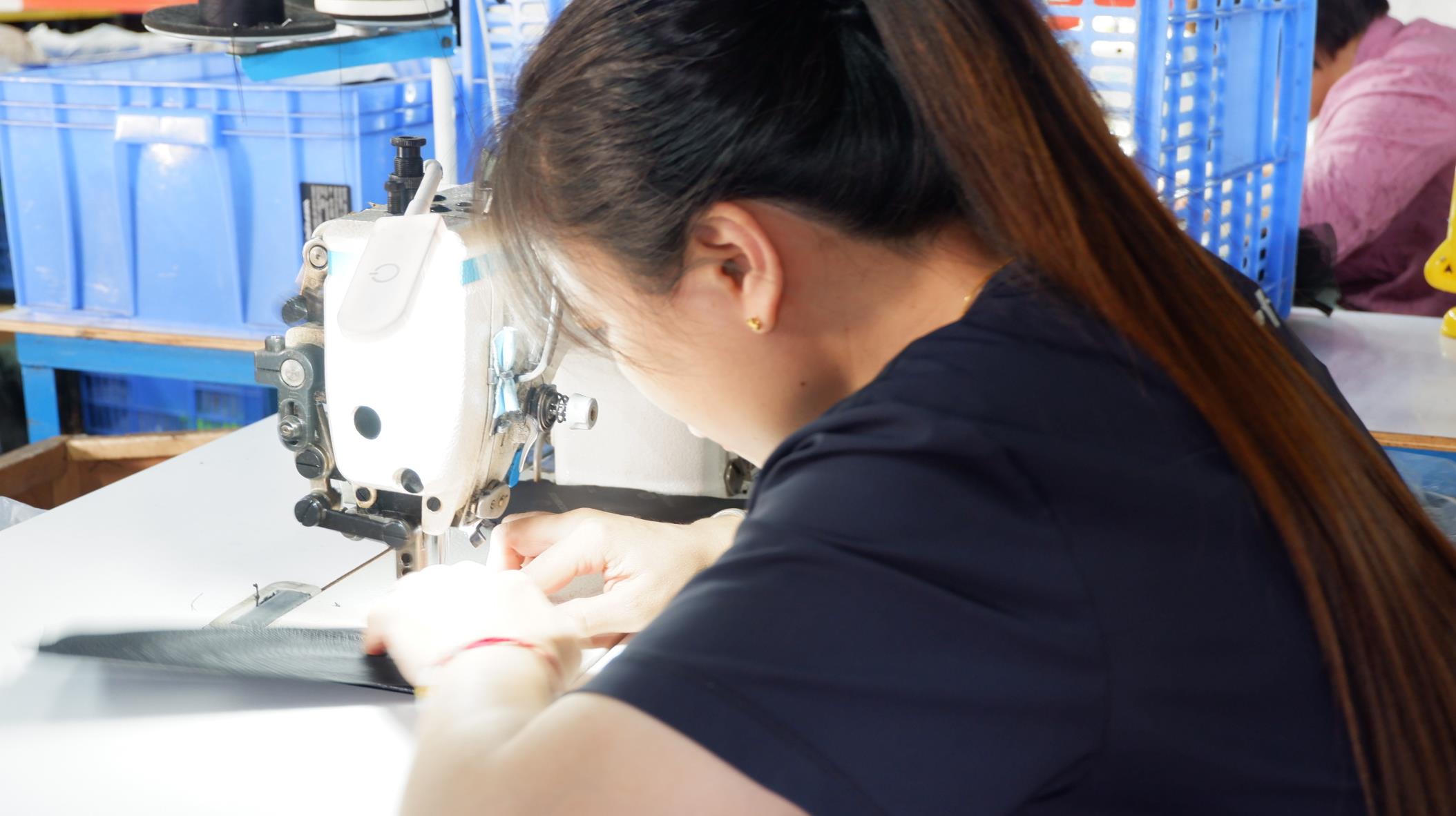
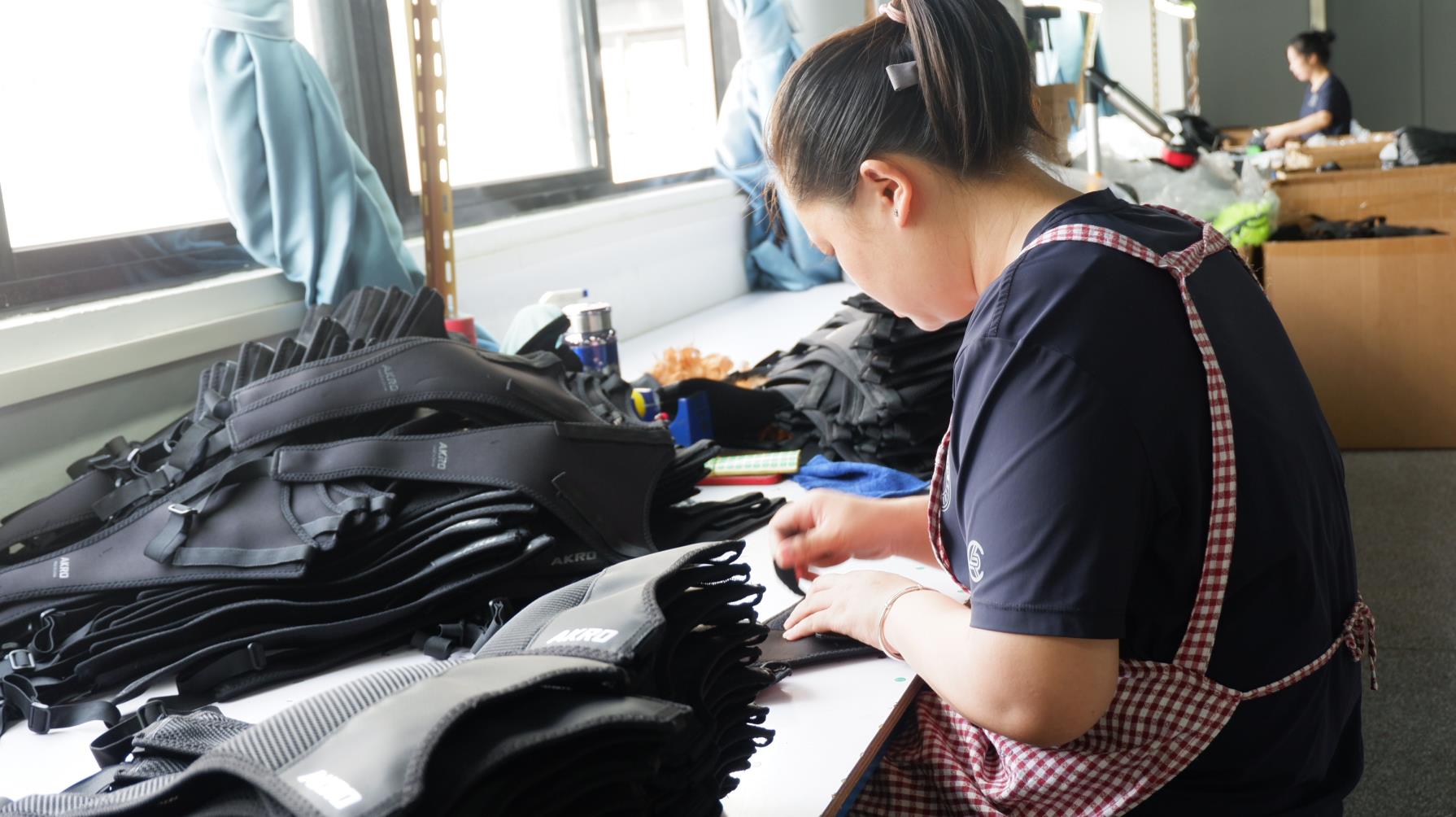
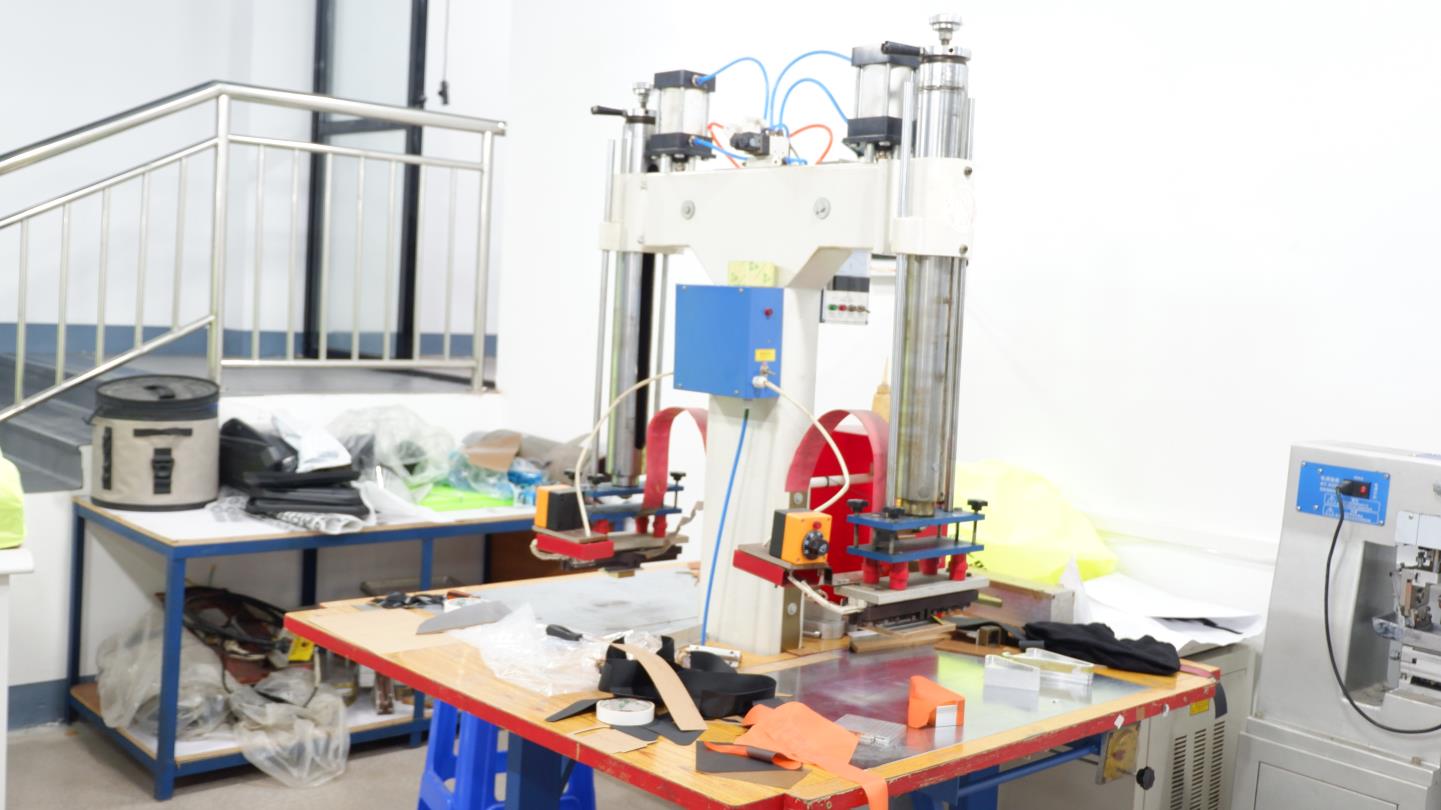
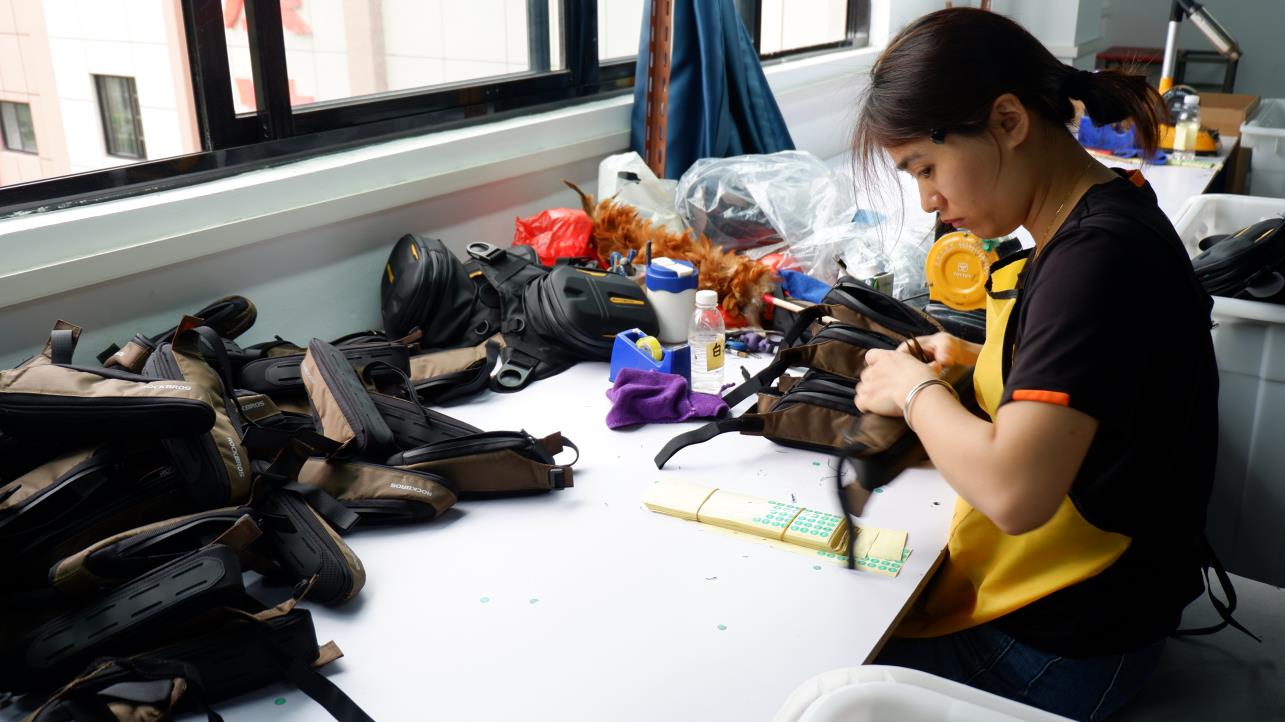
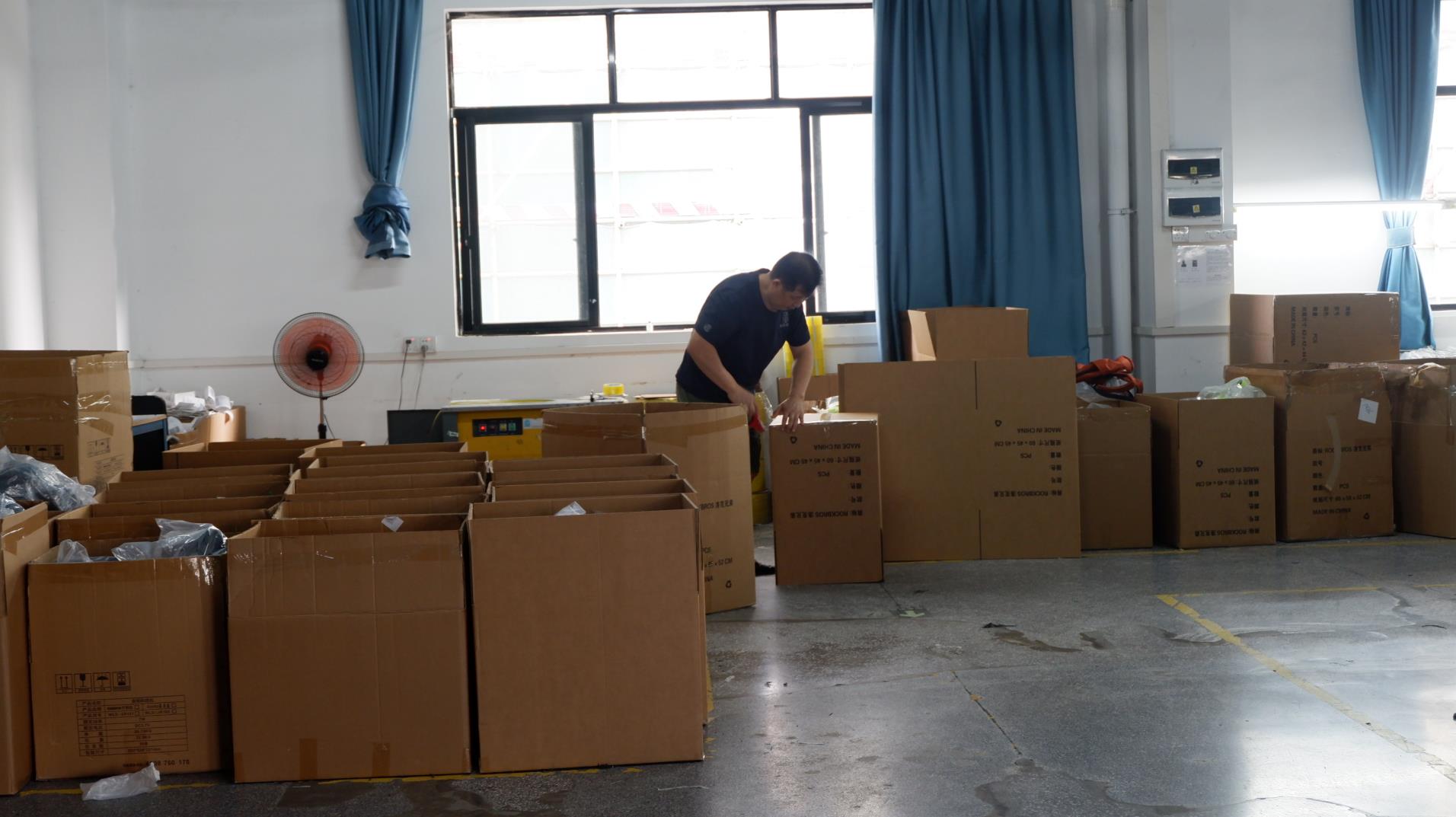
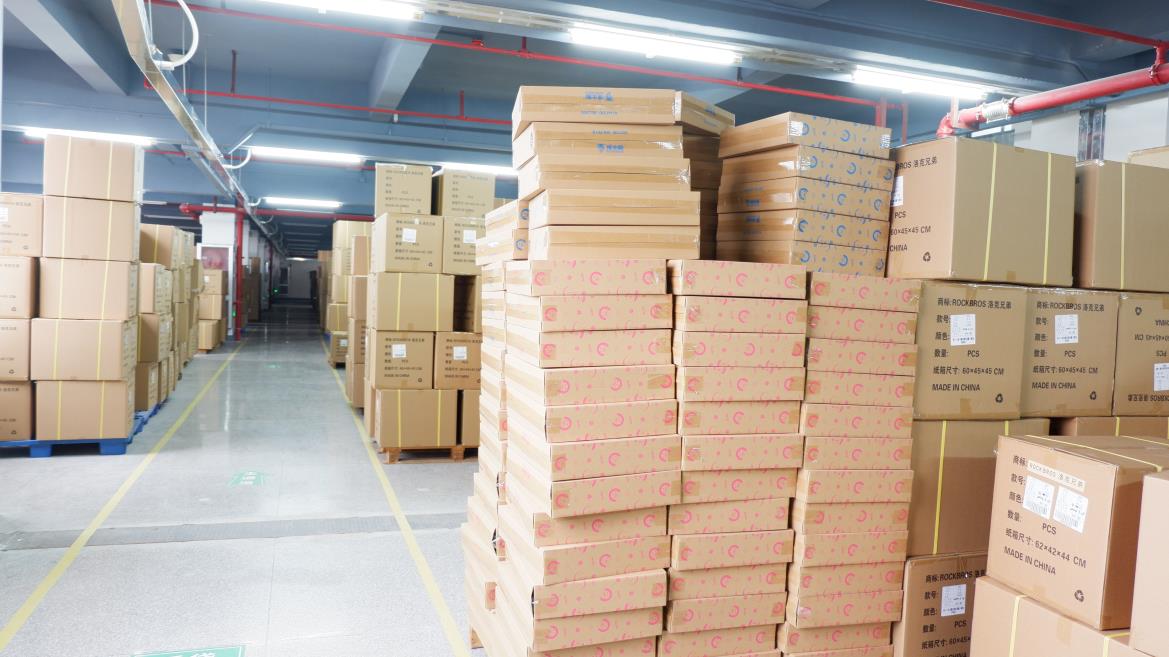
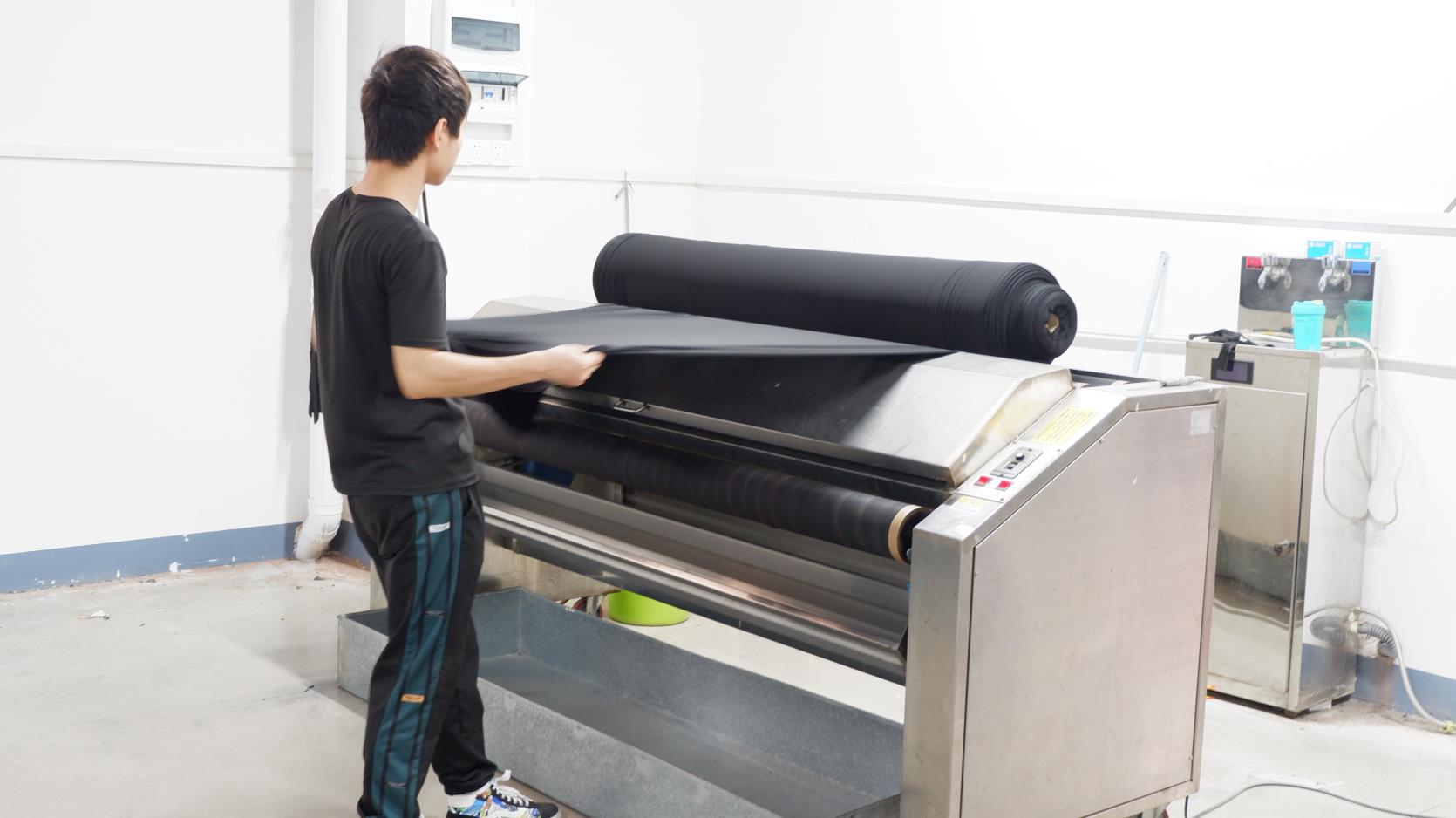
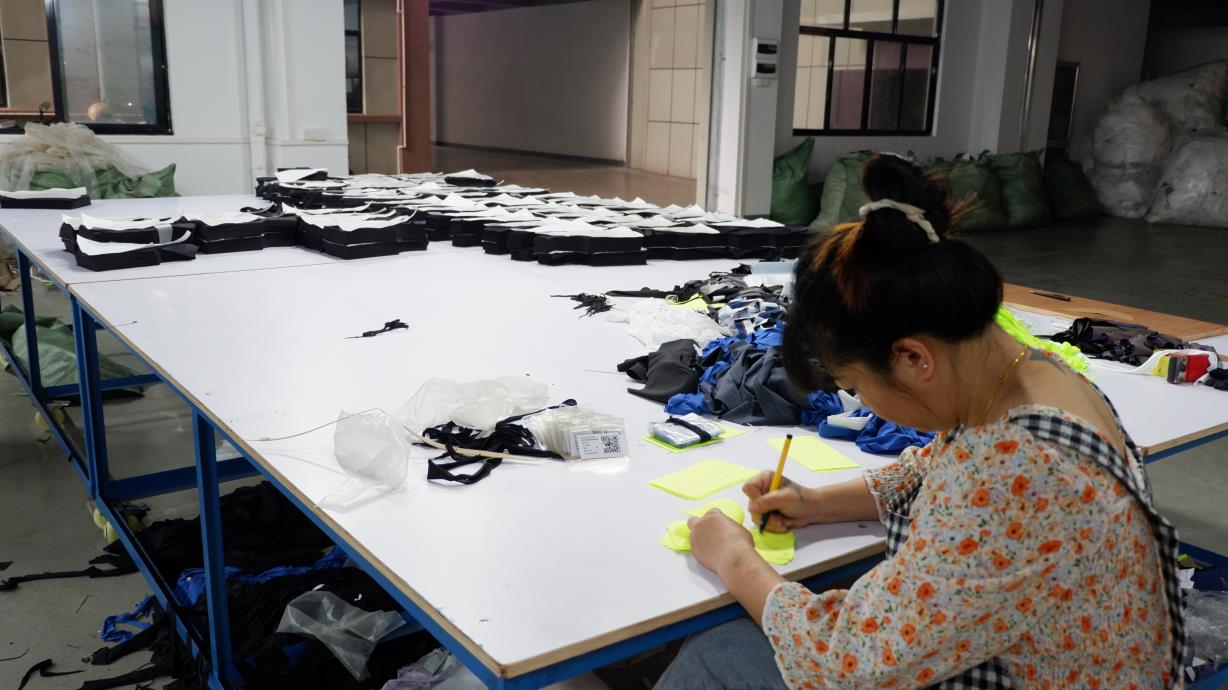
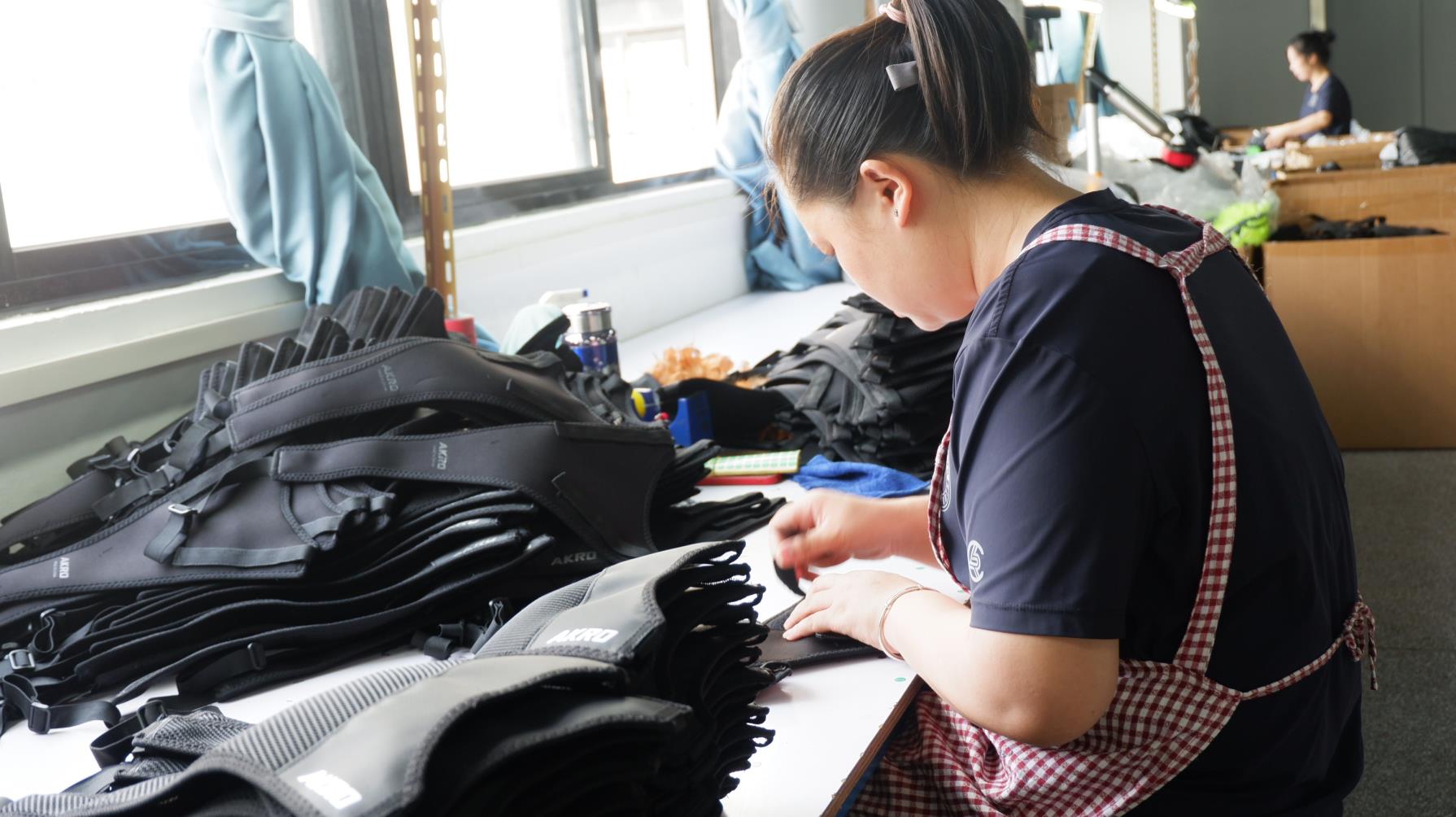
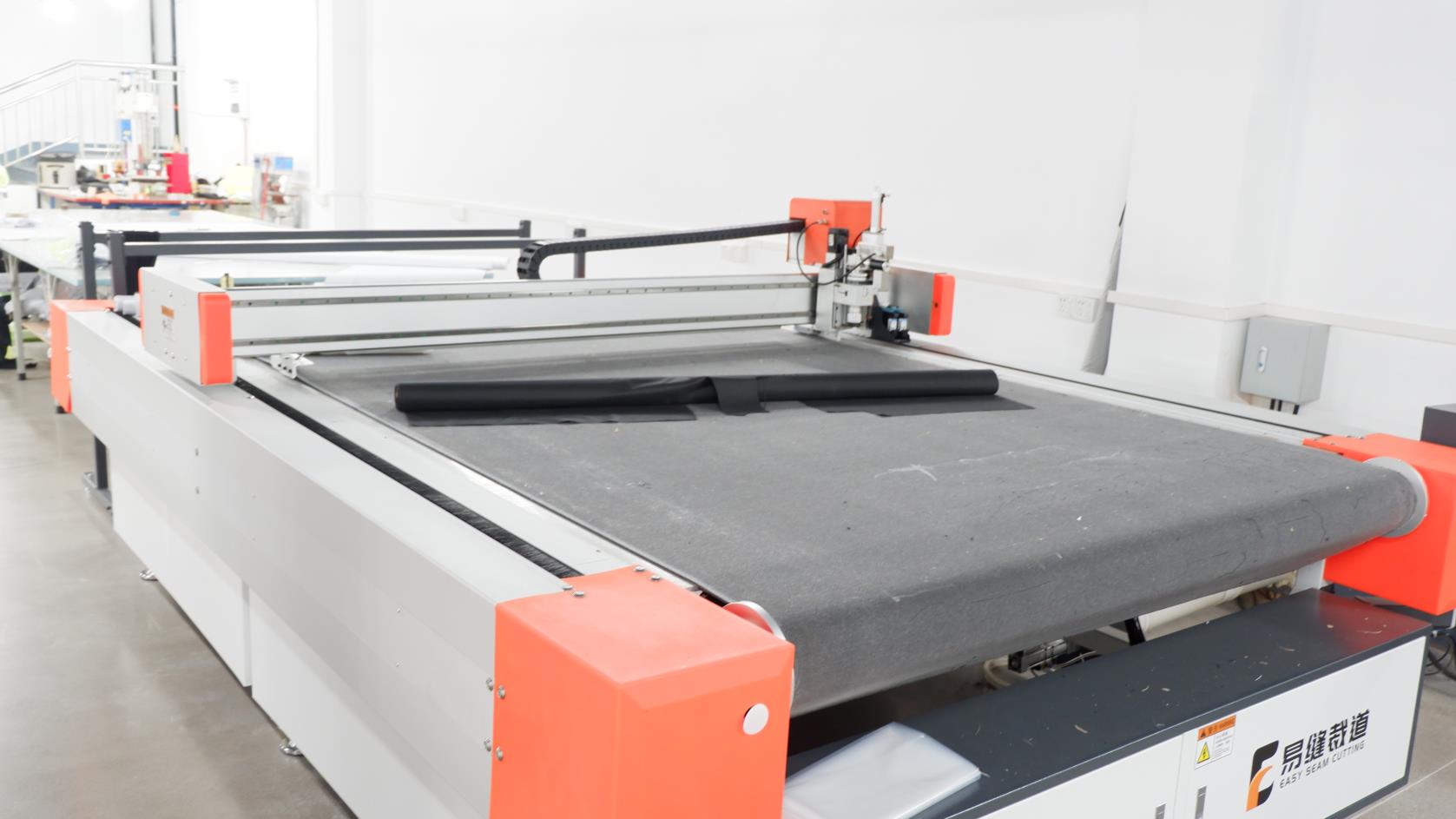
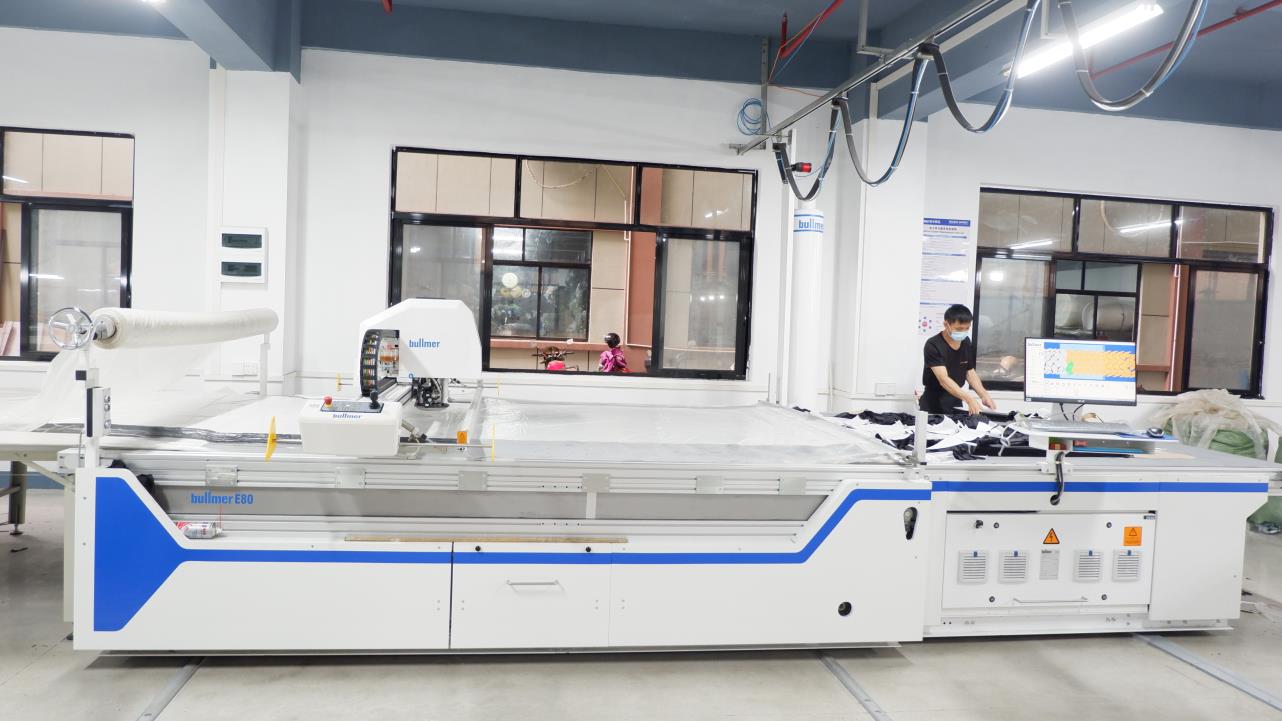
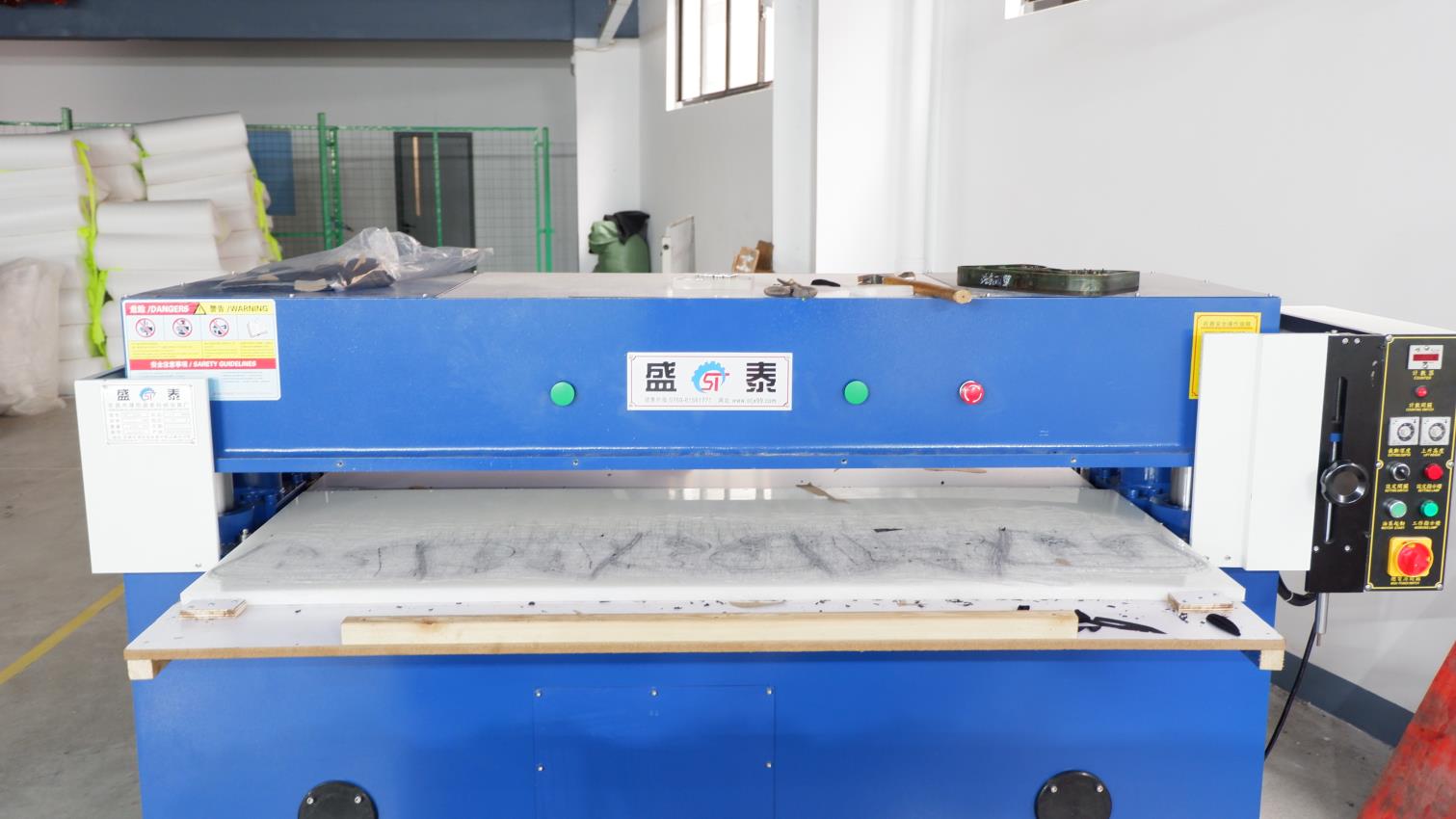
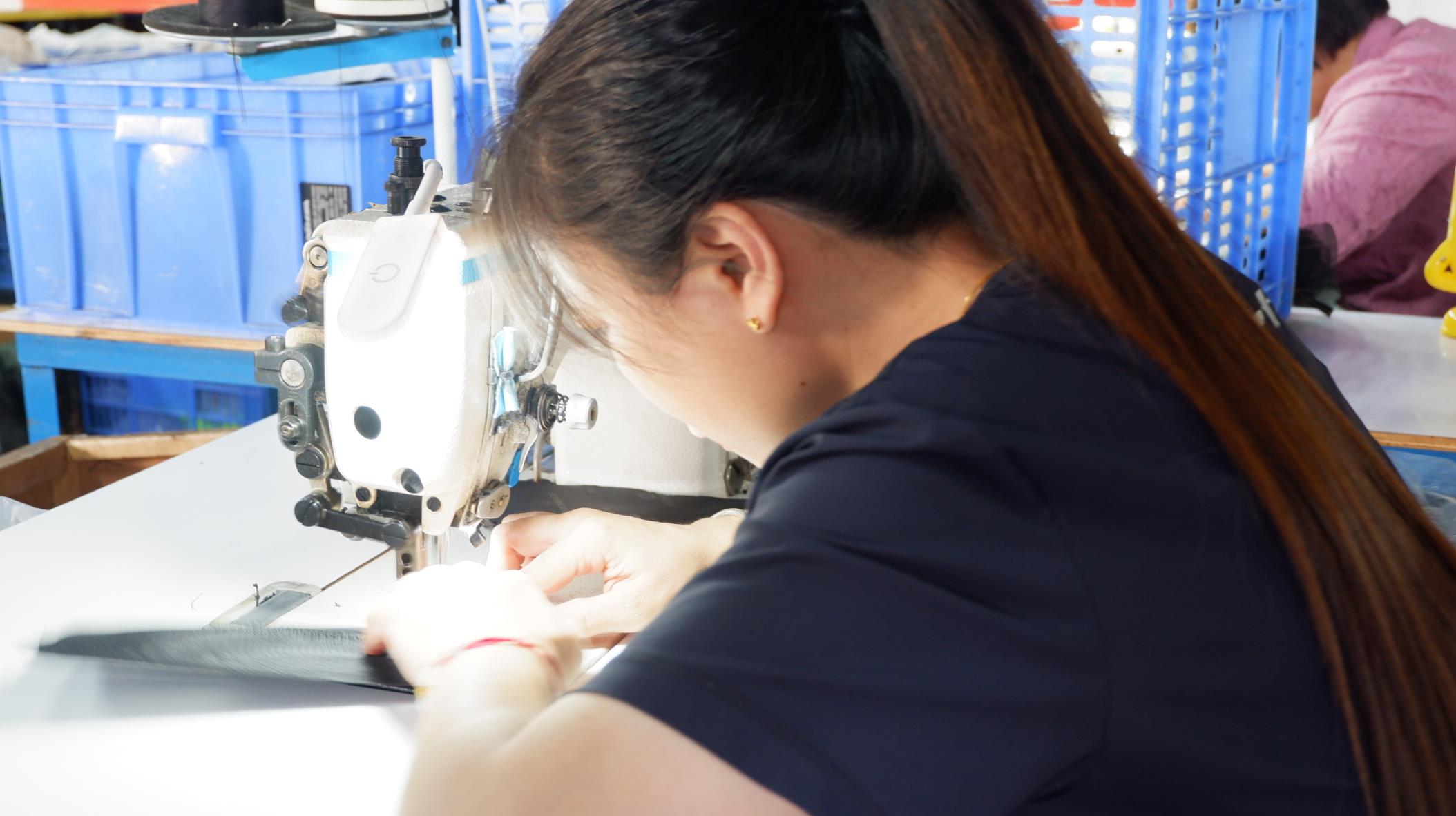
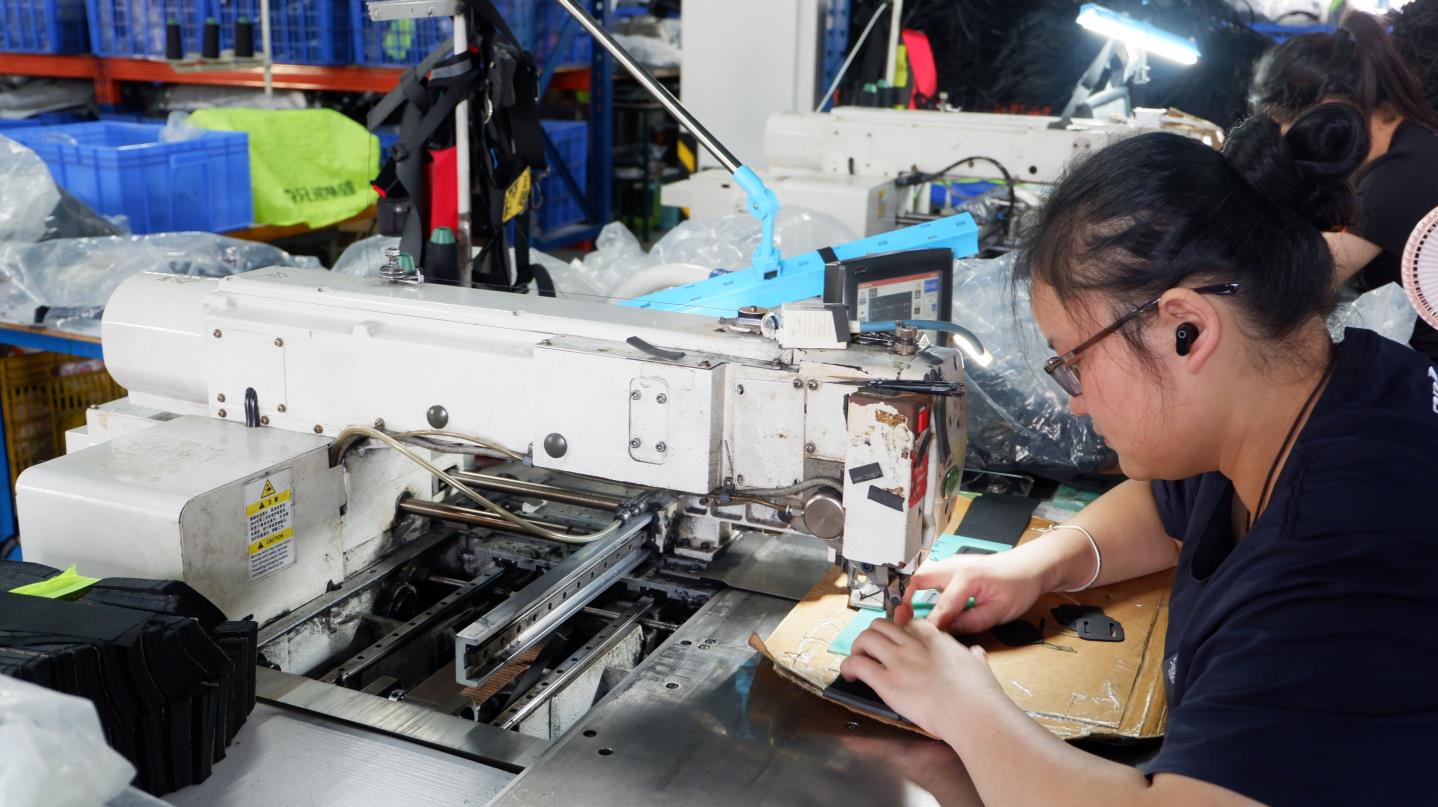
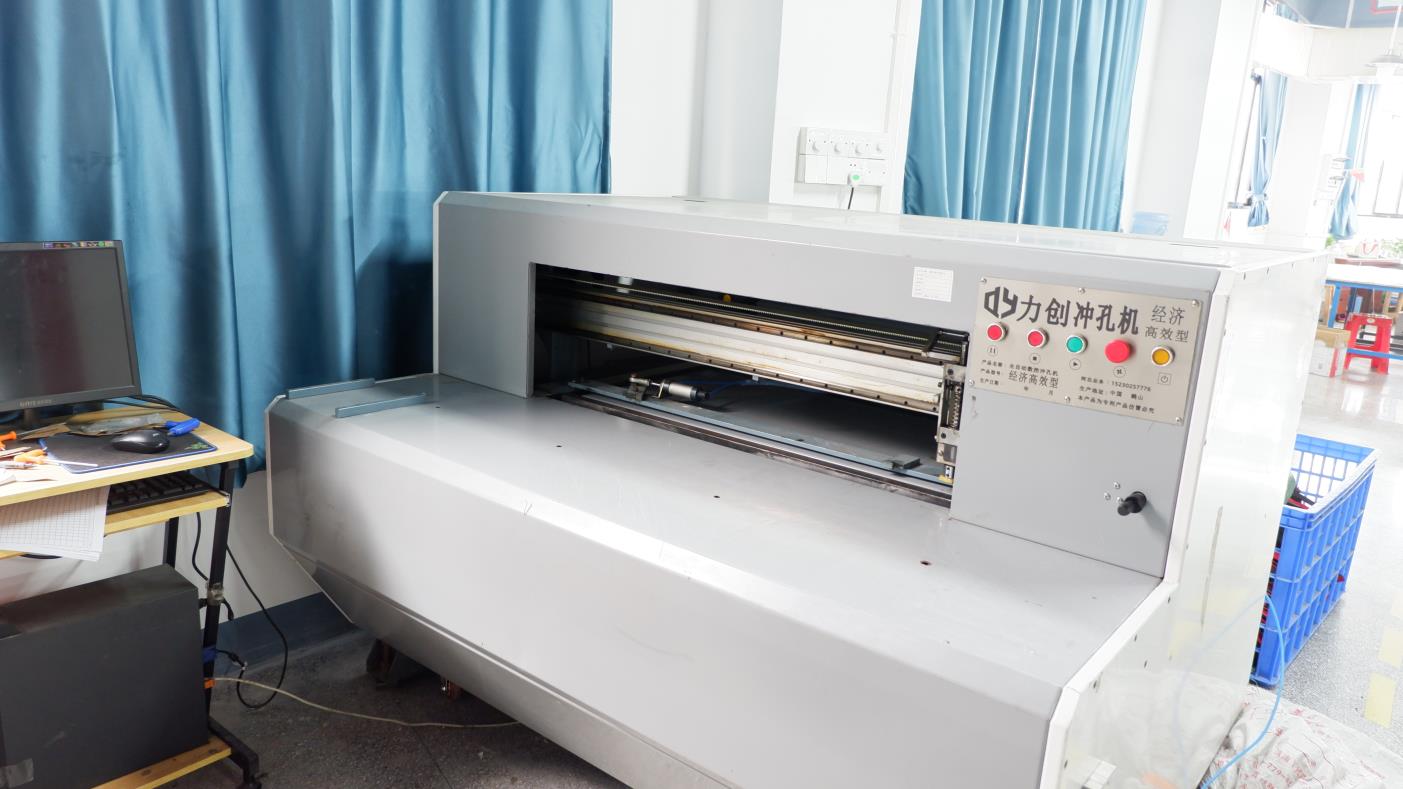
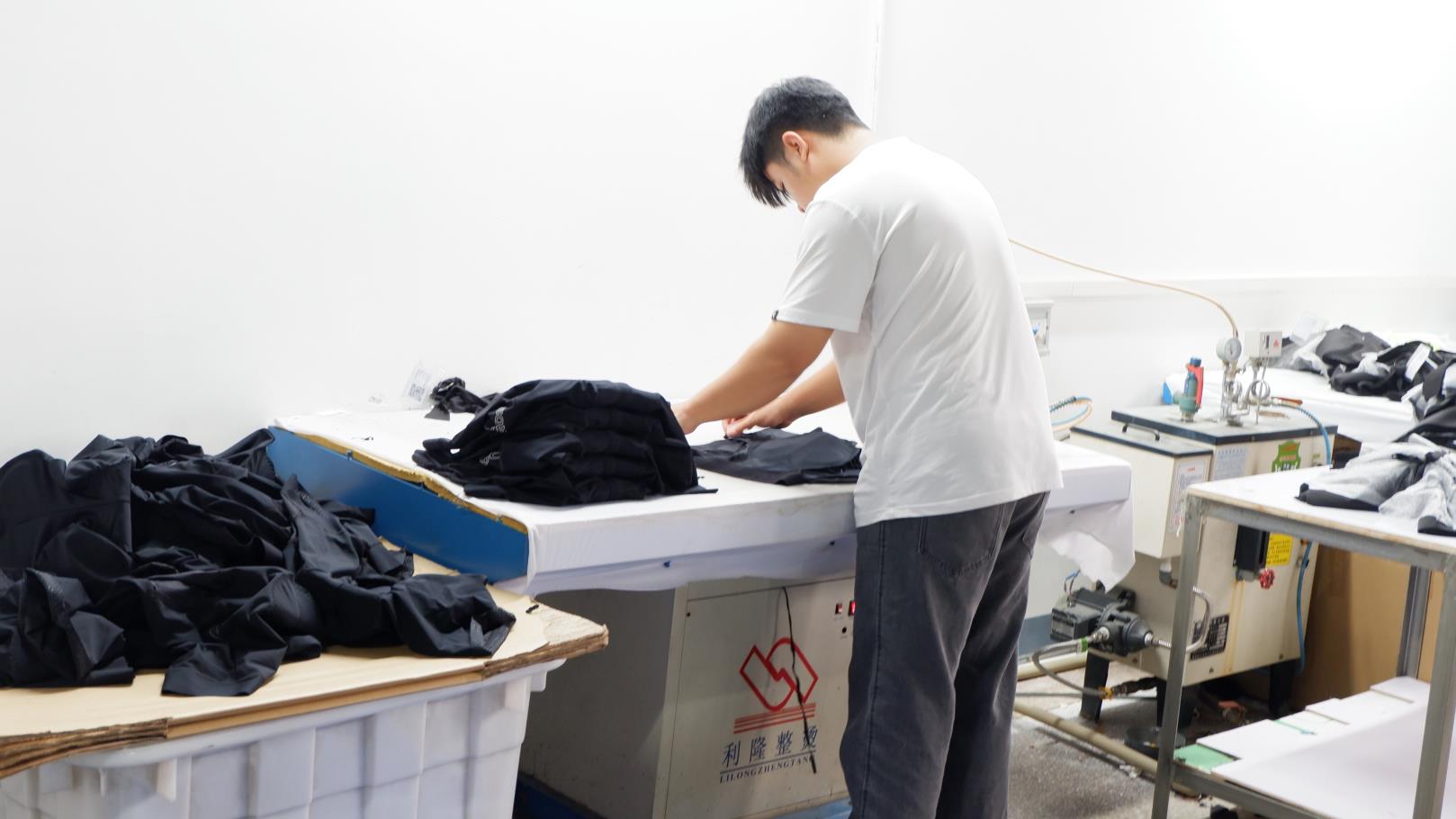
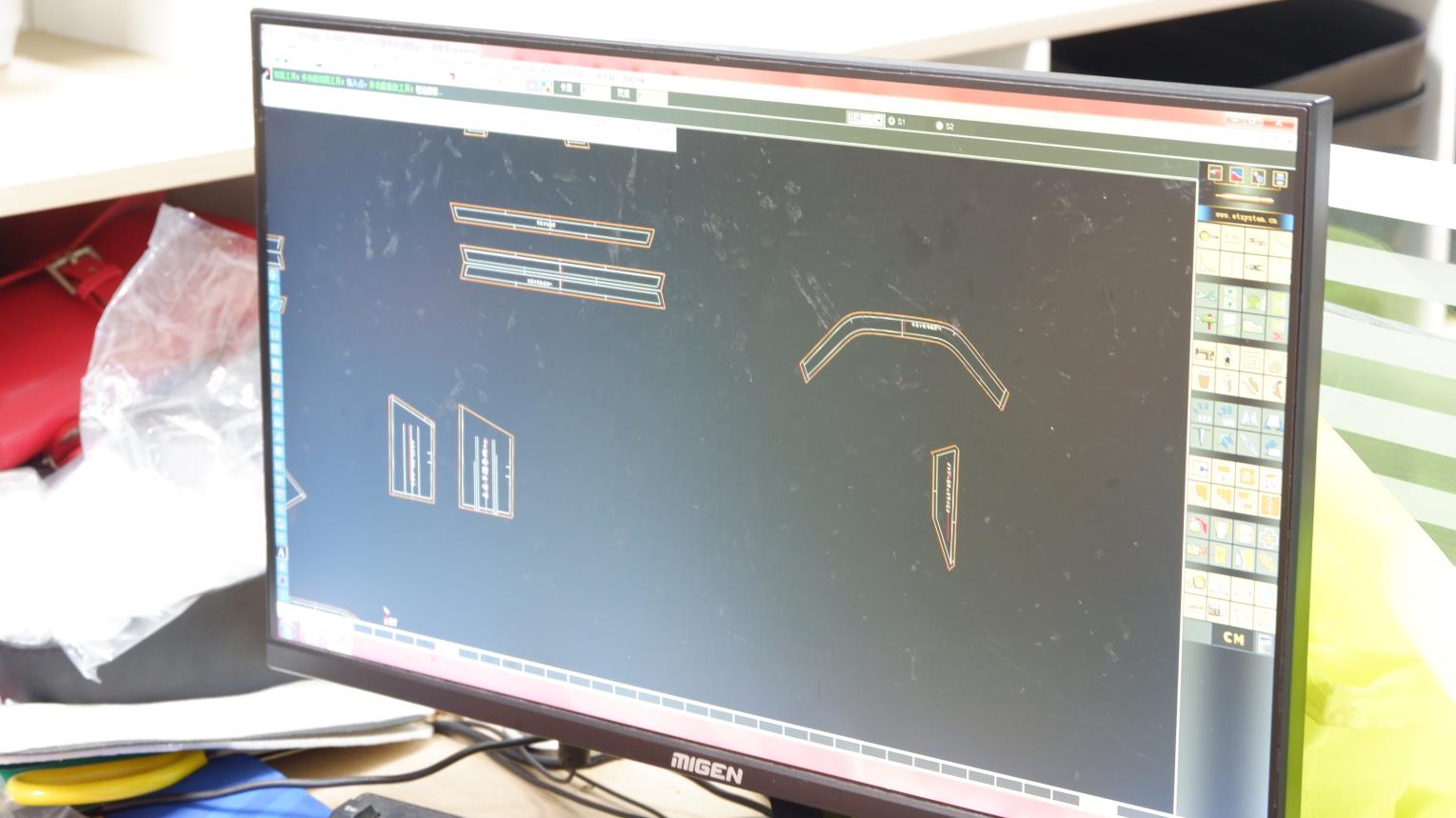
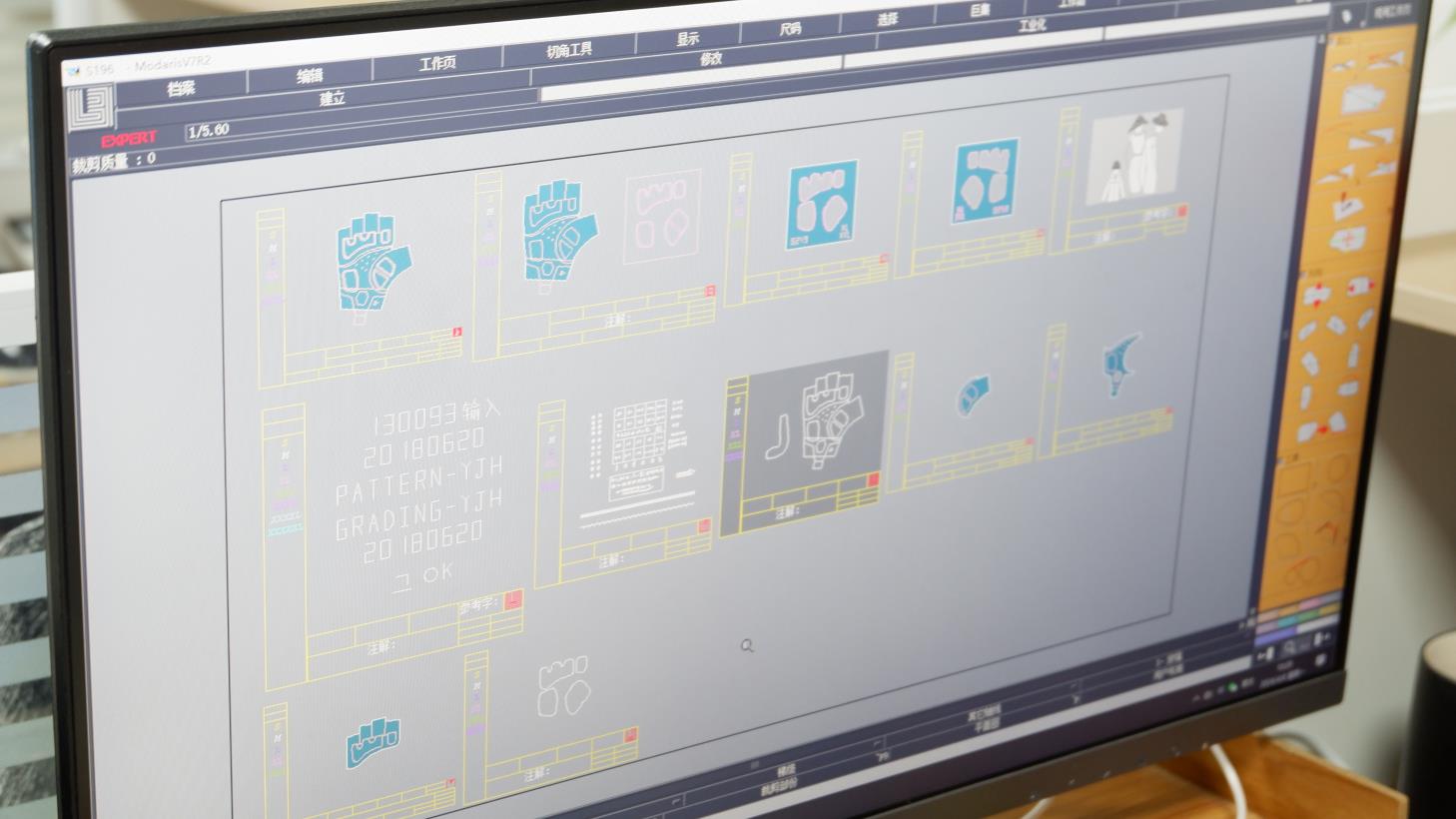
Raw Materials WarehousingMaterial Pre-Shrink & CalibrateAutomated Material SpreadingPrecision CNC CuttingModular Assembly & StitchingIn-Line Dimensional CheckHigh-Frequency Hot BondingComprehensive QA InspectionCustom Branded PackingFinished Goods Staging
Frequently Asked Questions on Wall Mounted Bike Rack Procurement
Expert answers addressing load capacities, wall anchors, rim protection, OEM tooling, and global compliance for commercial purchasers.
What is the certified static load capacity of your wall mounted bike racks, and do they support heavy e-bikes?
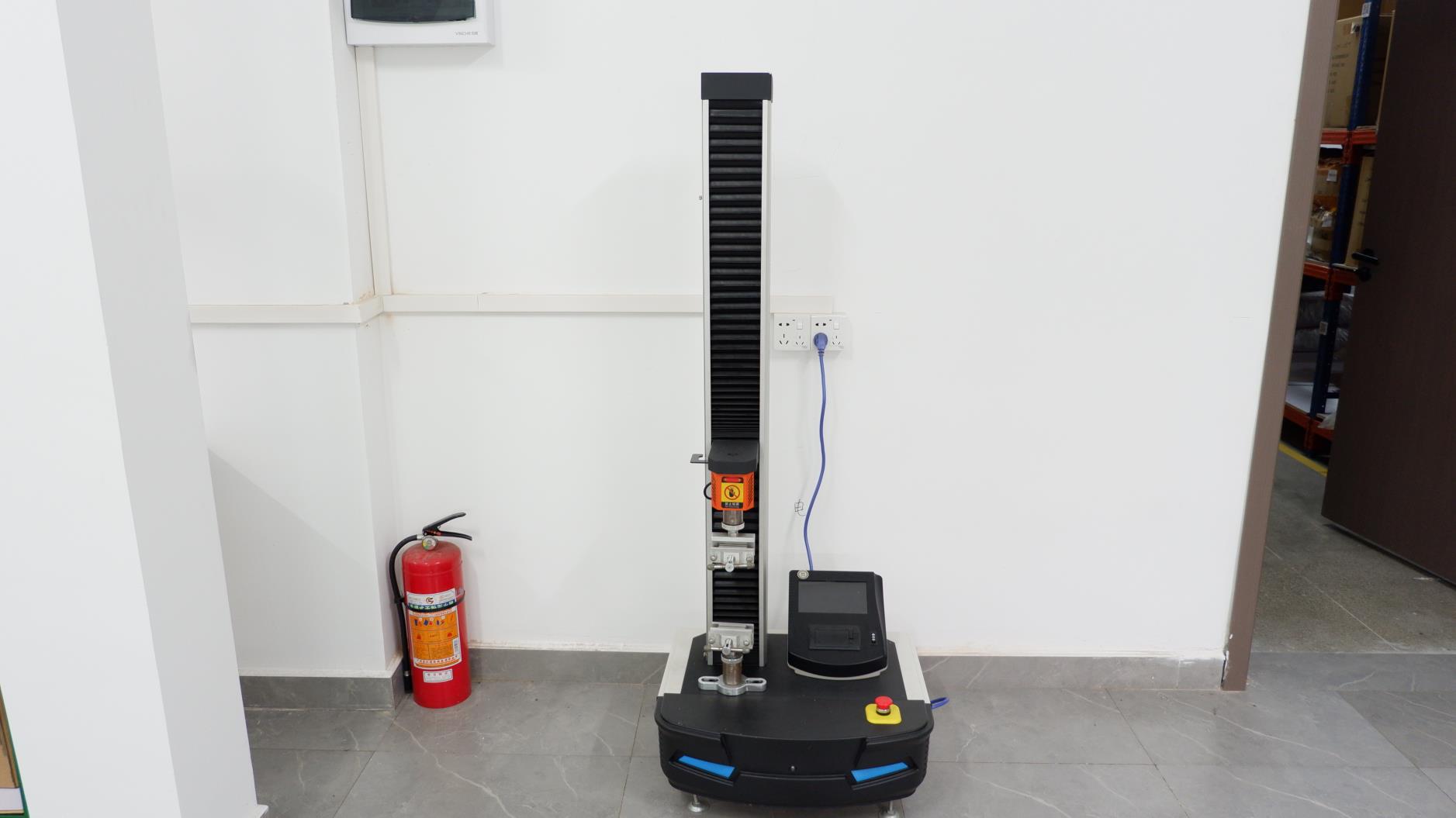
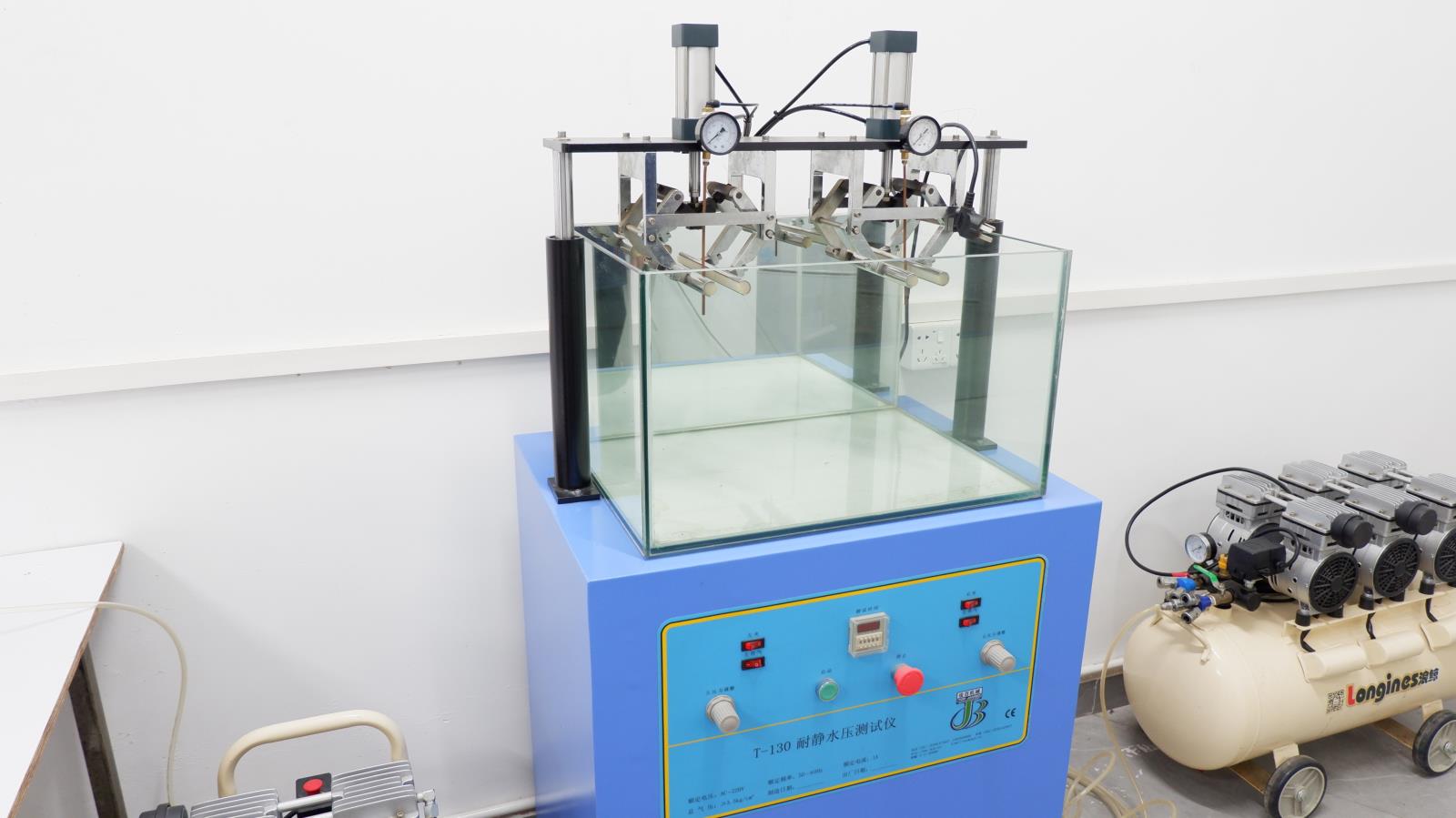
Our standard vertical carbon steel wall mounted bike racks carry a certified safe working load (SWL) of 35 kg (77 lbs), which easily supports conventional road, gravel, and mountain bikes. For our reinforced commercial swivel models and e-bike storage brackets, we utilize 3.0mm structural high-tensile carbon steel and heavy-gauge solid steel pivot pins to deliver a certified static load capacity of 45 kg (100 lbs). We test every production batch using calibrated electronic tensile testing machines (Tensile Tester) applying 2.5x the rated load for 24 continuous hours without plastic deformation.
How do your racks prevent scratching on carbon fiber wheel rims and deep aerodynamic profiles?
Rim damage is the #1 consumer complaint in wall storage. Rather than using cheap shrink-wrap sleeves that split after a few months, Zhejiang Narzo Technology utilizes a thick dip-molded vulcanized PVC / polyurethane elastomer coating (minimum 3.0mm thickness). The elastomer maintains shore-A hardness between 65–70, providing a cushioned, non-marring cradle that eliminates metal-to-metal and metal-to-carbon friction. Furthermore, the hook's enlarged internal curvature clearance (up to 95mm) comfortably accommodates 80mm deep-section aero wheels and up to 2.8" standard MTB tires without pinching carbon spokes.
Which wall anchors and hardware do you include for international markets?
A rack is only as reliable as its anchoring interface. We equip our export shipments with versatile, market-specific fastener sets:
North American Standard: Heavy-duty Grade 5 hex lag screws for solid wood stud installations (centered on 16" studs).
European / Global Standard: High-expansion nylon Fischer-type wall plugs paired with galvanized countersunk Phillips screws for solid brick, reinforced concrete, and cinder block walls.
Clear Warning Protocols: Our packaging features graphic and multi-language warnings advising against direct hollow-drywall mounting without structural stud backing.
Can we customize our brand logo, corporate colorways, and retail packaging?
Yes, 100%. We provide extensive OEM/ODM support for brands, retailers, and distributor private labels:
Logo Application: High-durability laser engraving, pad printing, or embossed steel stamping directly on the bracket arm or wall plate.
Colorways & Powder Coating: Custom AkzoNobel powder coating matched to your Pantone or RAL specifications (e.g., matte stealth black, textured slate gray, vibrant brand orange) with superior anti-corrosion salt-spray resistance.
What is the Minimum Order Quantity (MOQ) and production lead time?
To support growing distributor channels and trial test orders, our MOQ for standard in-stock carbon steel vertical bike racks starts at just 10 pieces. For customized powder-coat colors, branded laser-etched logos, or tailored packaging, the MOQ is 300 to 500 units. Custom tooling and newly engineered ODM geometries begin at 1,000 units. Standard production lead times average 15 to 25 business days following final sample sign-off.
How does Zhejiang Narzo Technology ensure quality across high-volume production runs?
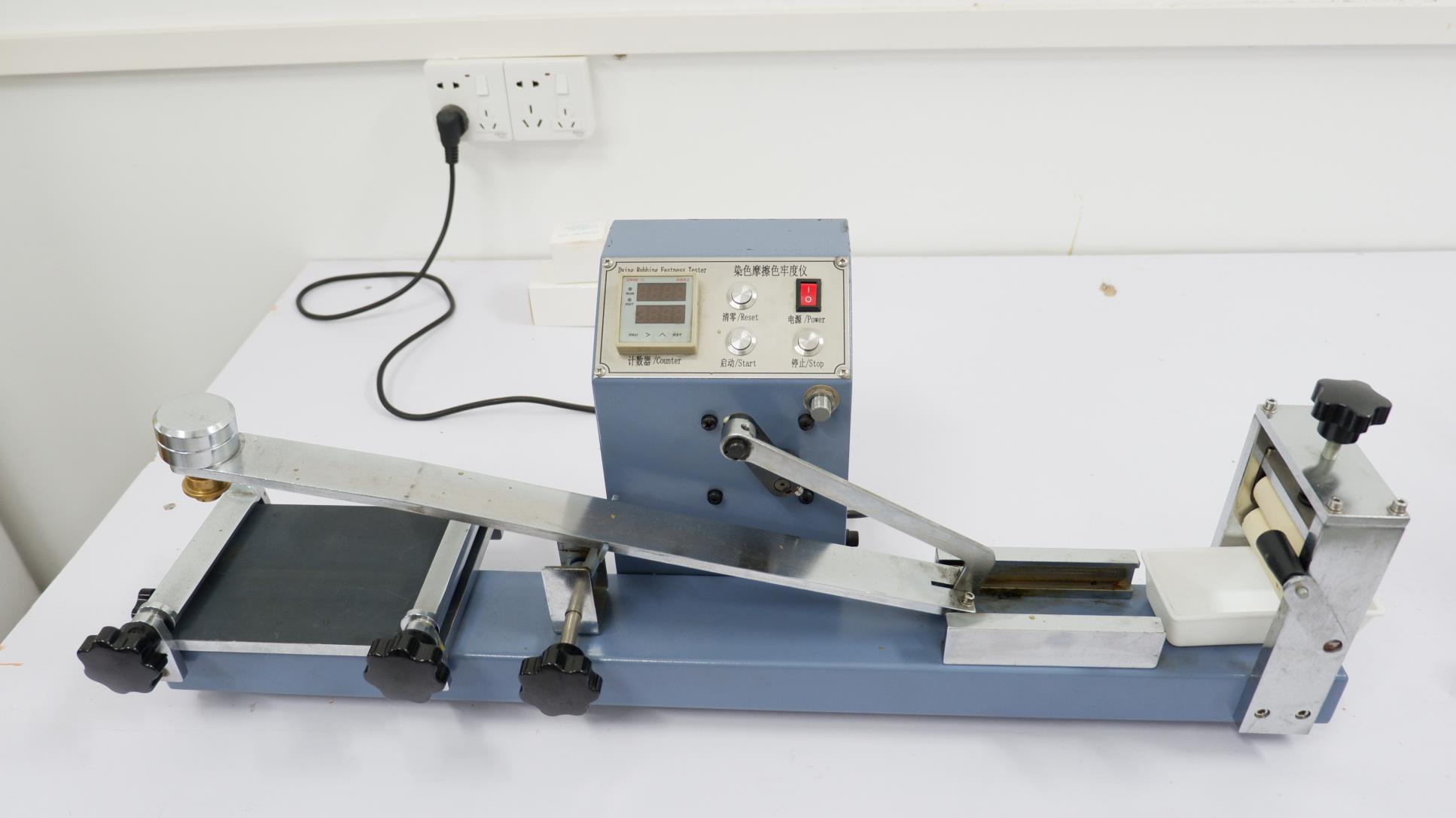
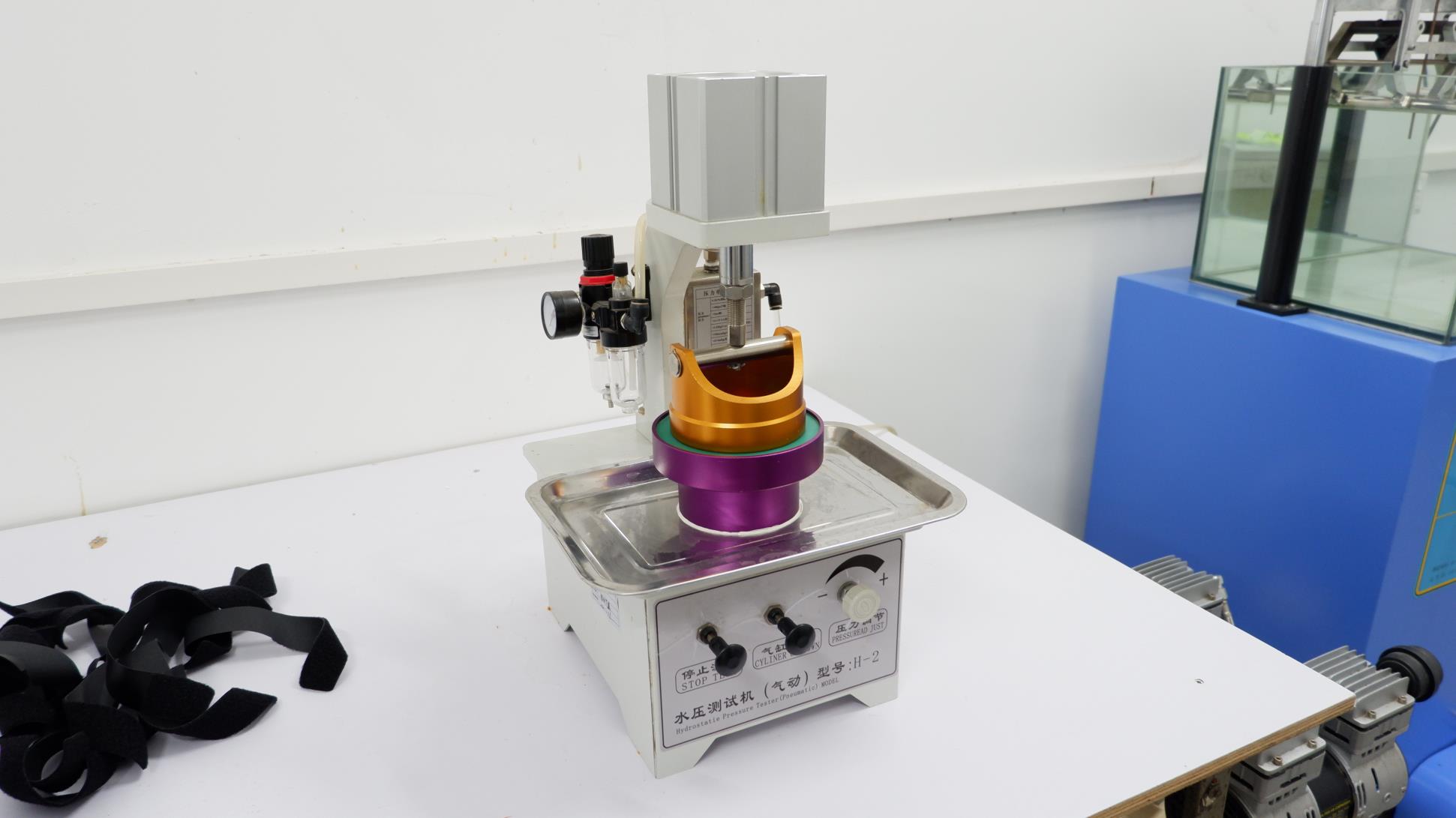
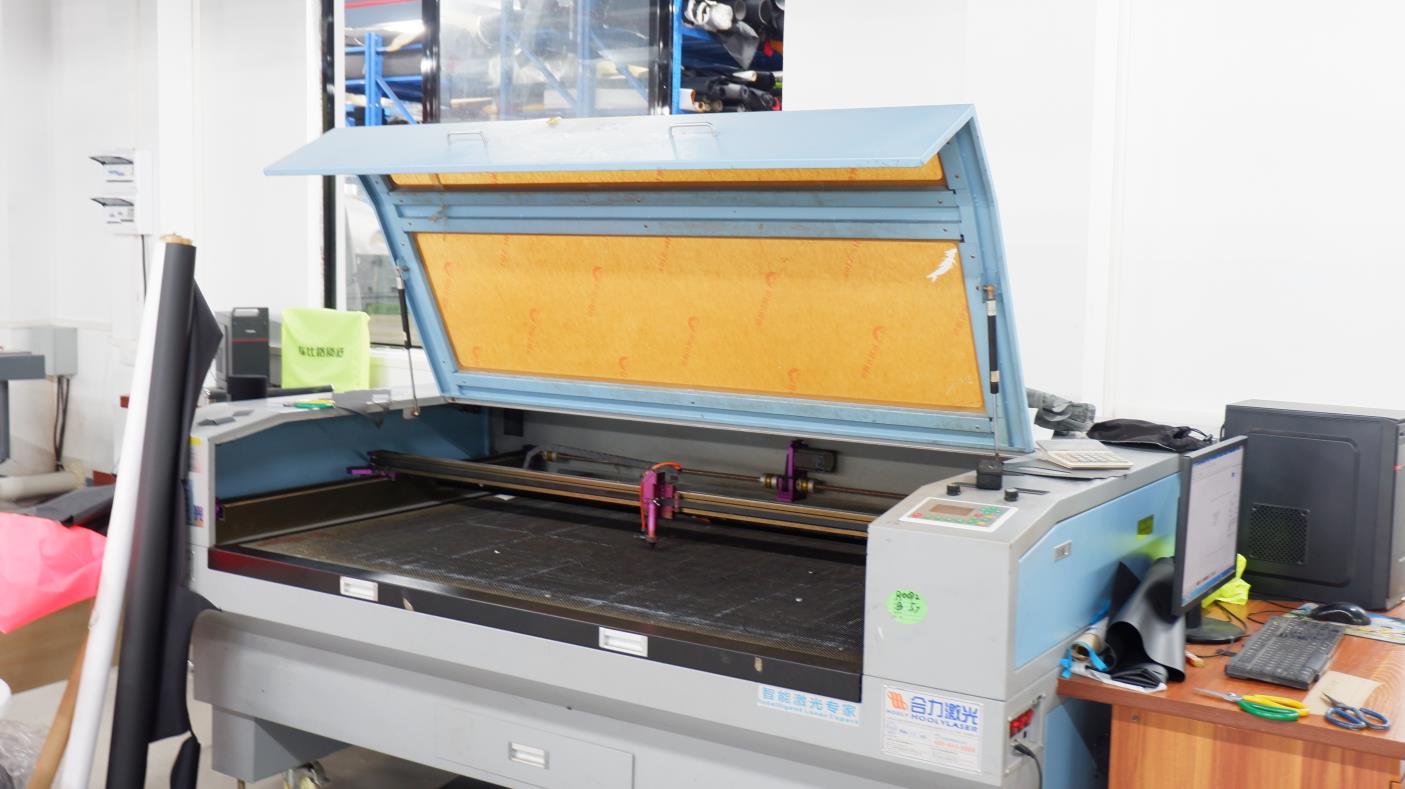
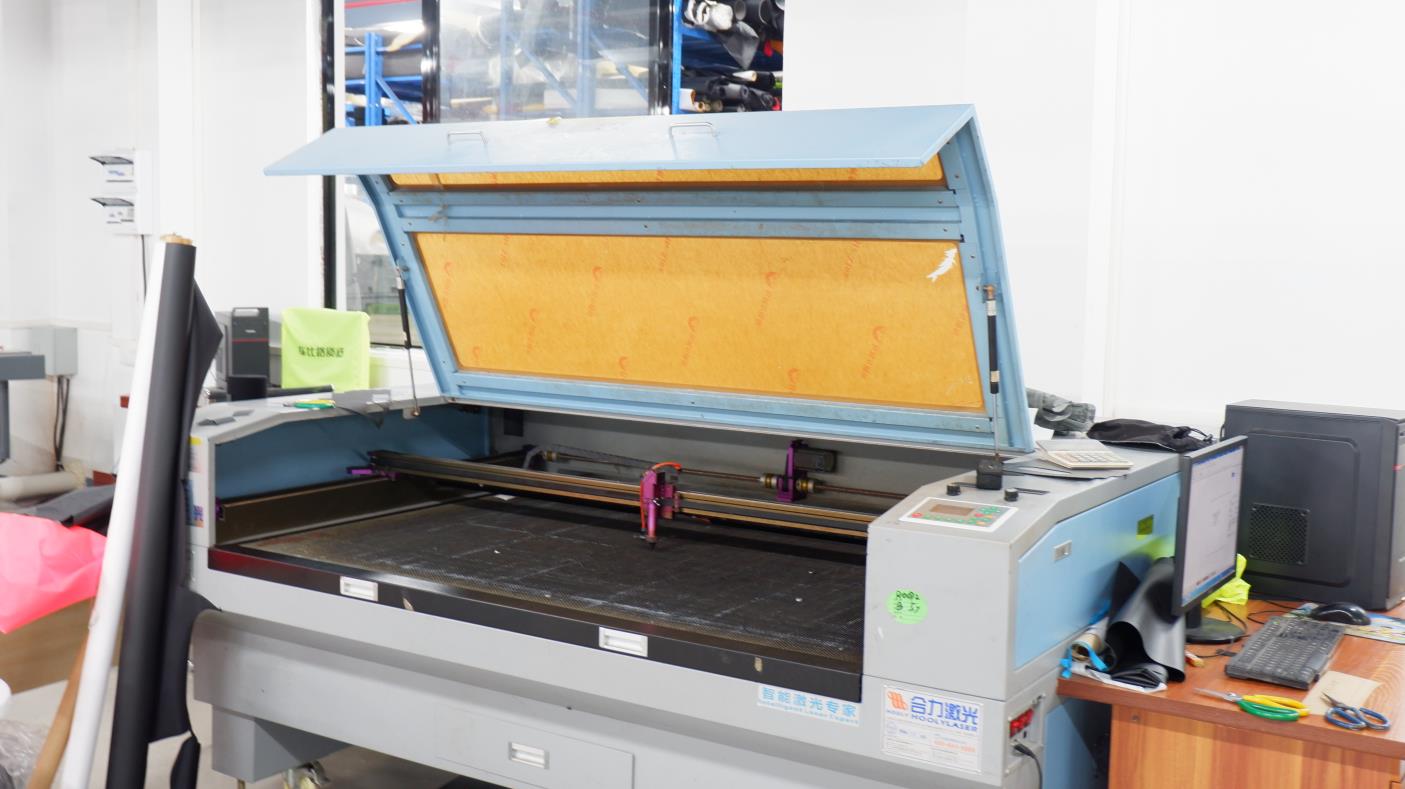
Our company operations are assessed on-site by TÜV Rheinland. We enforce a zero-defect quality assurance protocol across four sequential stages: (1) Spectral and dimensional inspection of raw steel tubing and plate batches, (2) Automated CNC laser cutting (Laser Cutting Machine) and precision robotic welding, (3) Pull-force and tensile testing (Tensile Tester) paired with salt-spray corrosion chamber tests, and (4) Pre-shipment AQL 1.5/4.0 final inspection before palletizing.
Connect directly with our engineering and procurement team in Zhejiang. We provide fast CAD turnarounds, prototype samples in 5–7 days, and flexible consolidated container shipping across cycling accessories.