Procurement FAQ Critical Questions Procurement Managers Ask When Sourcing Smart Bike Taillights
Clear, unvarnished engineering answers to the real-world manufacturing, certification, and firmware challenges encountered in international trade.
How does your smart taillight differentiate genuine braking from road vibrations and uphill pedal bobbing?
Our proprietary firmware utilizes a calibrated 6-axis MEMS sensor with real-time digital filtering. The microprocessor measures longitudinal deceleration vectors rather than simple vertical shocks. Cobblestones, rough asphalt, and rhythmic sprinting motion generate high-frequency alternating spikes which our moving-average filter suppresses. A sustained negative acceleration profile surpassing 1.8 m/s² for more than 150 milliseconds triggers the 100% luminous brake flash, completely preventing embarrassing false activations while climbing hills.
What specific waterproofing validations are performed before bulk shipment dispatch?
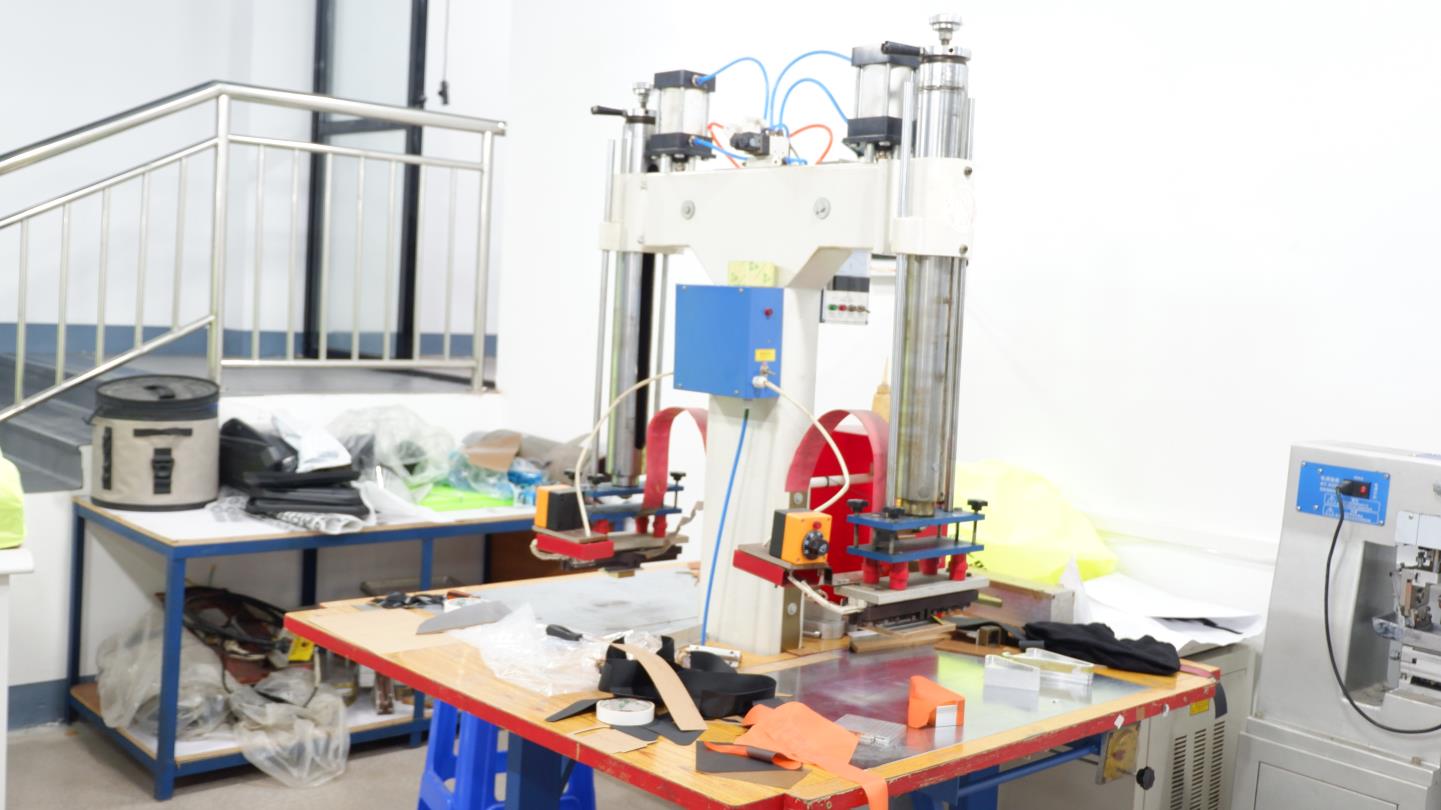
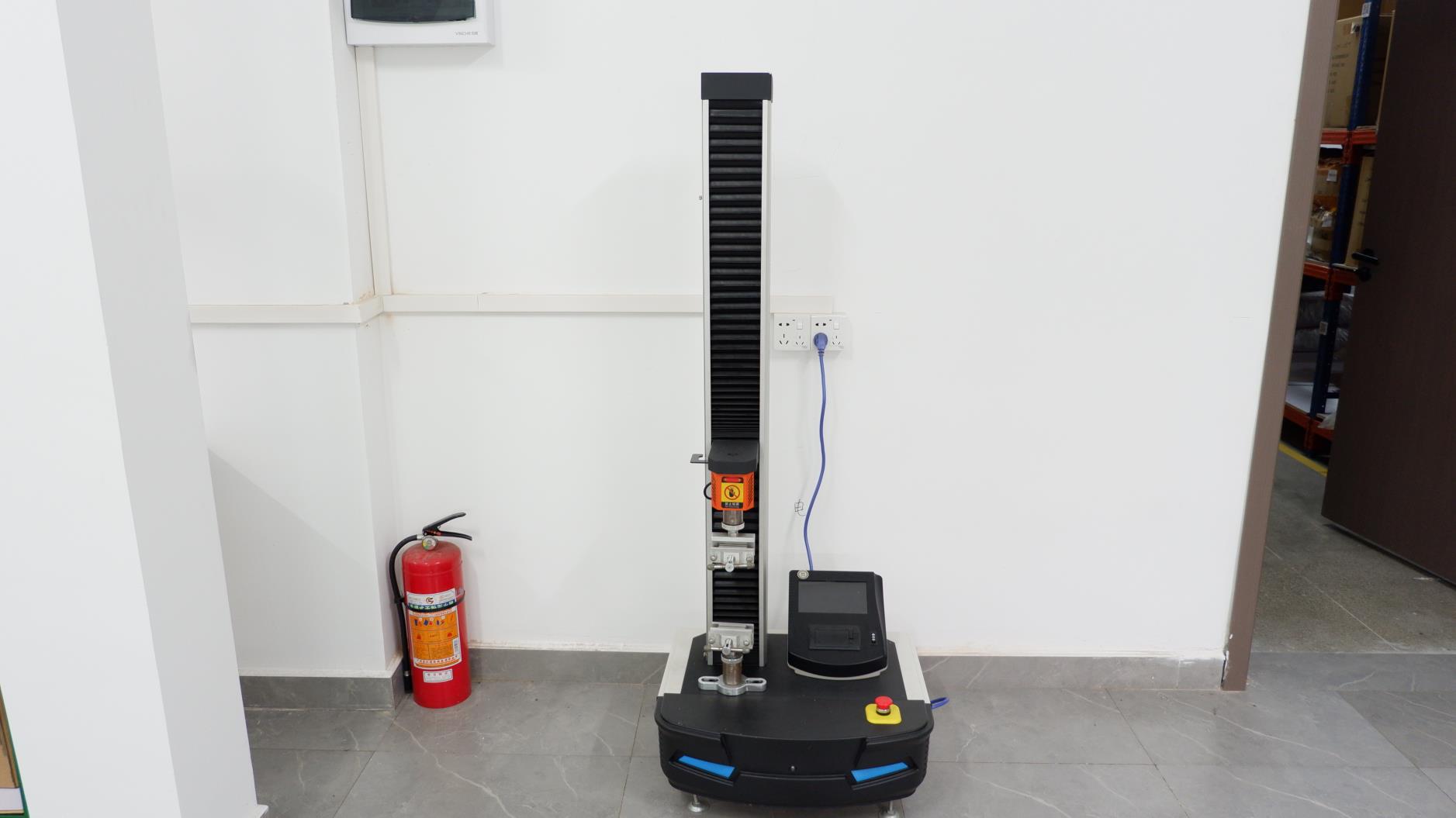
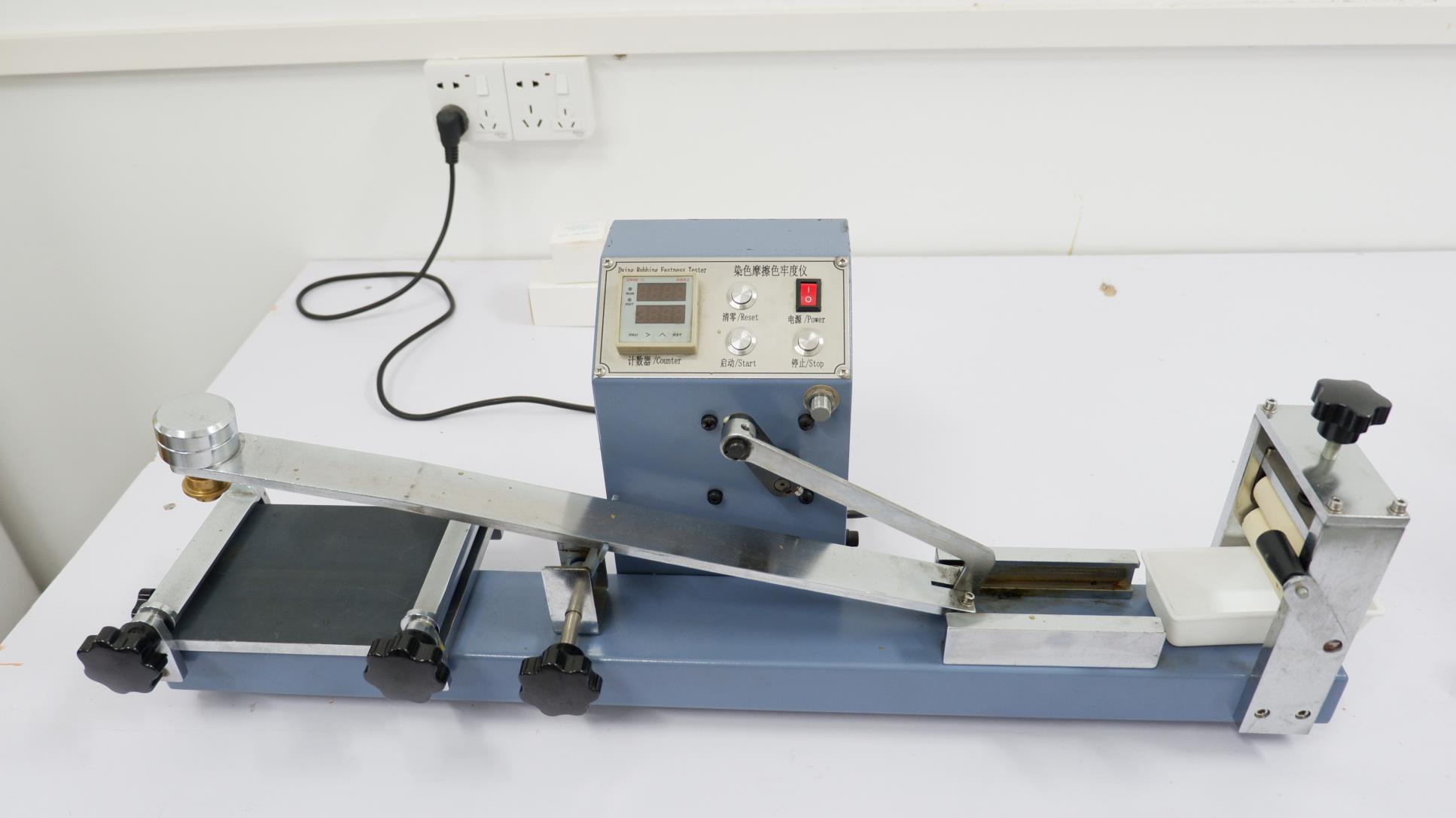
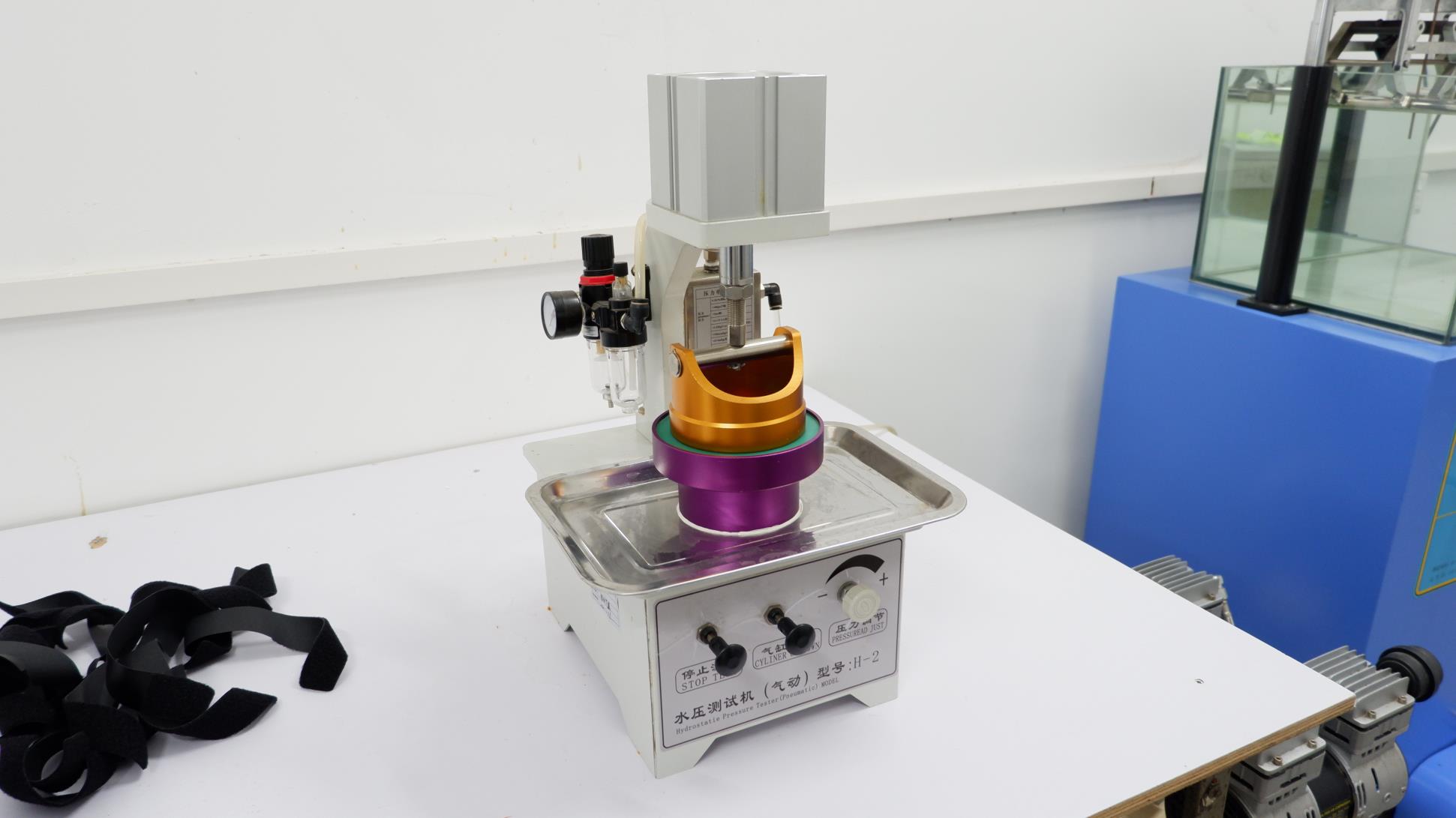
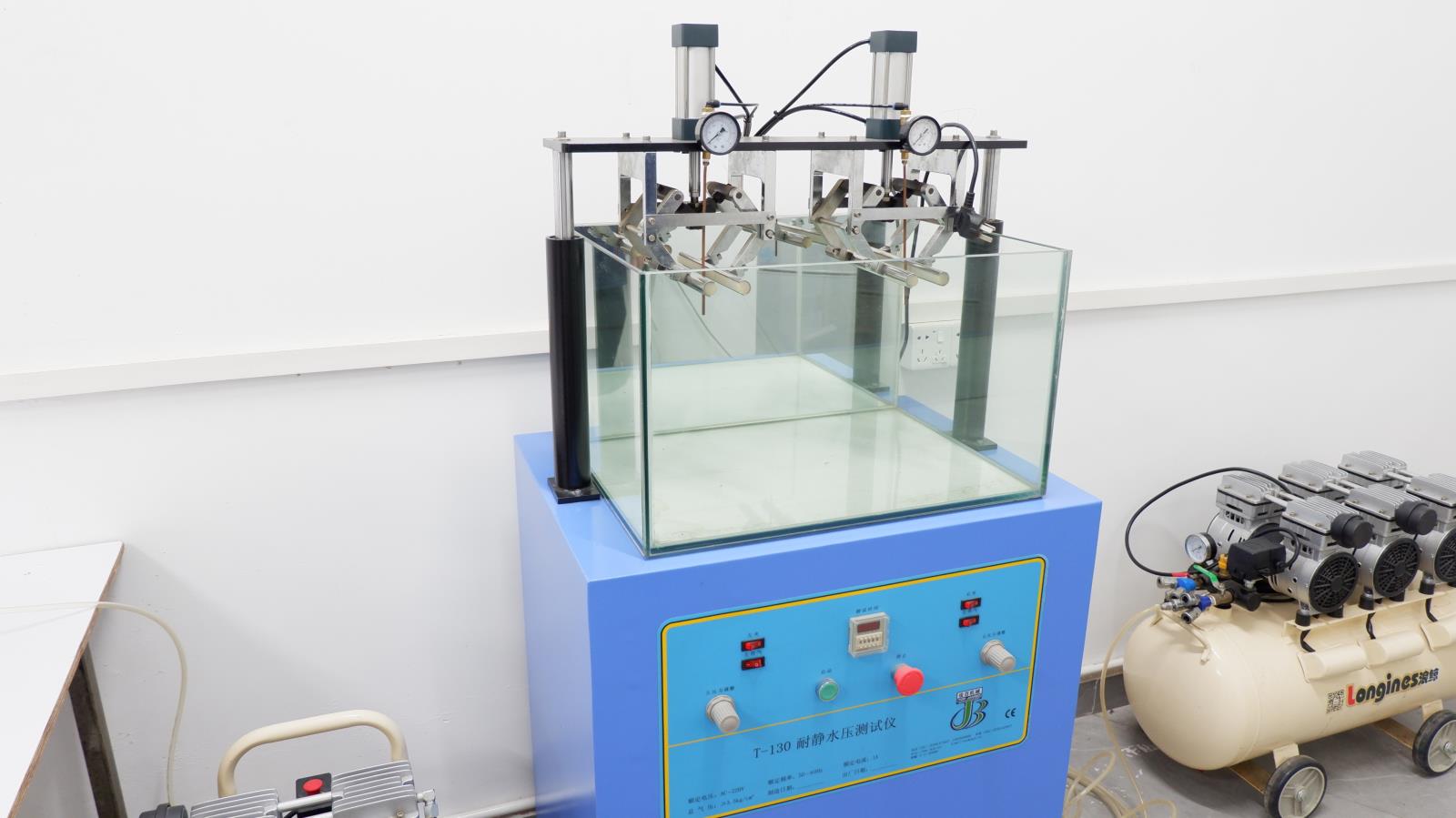
Smart bike taillights are exposed to severe localized wheel spray under heavy rain. In our testing facility, randomly sampled units from every lot undergo hydrostatic water pressure tests and static immersion testing adhering to IPX6 and IPX7 parameters. In addition, Type-C charging port silicone boots undergo 1,000-cycle opening/closing fatigue tests, and ultrasonic weld joints undergo pneumatic pressure decay leak detection to ensure long-term field hermetic integrity.
Can we customize firmware flash patterns, auto-sleep intervals, and light sensor thresholds for our brand?
Yes. For OEM and ODM projects, our software engineers modify the internal MCU hex configuration to match your exact regional market preferences. You can adjust the auto-sleep timer (e.g., 30s, 60s, or 120s), customize daylight strobe frequencies (flash duration vs. dark interval), set ambient lux trigger thresholds, and even configure whether the taillight powers down completely or remains in ultra-low standby listening for vibration.
What battery certifications and shipping documentation do you provide for customs clearance?
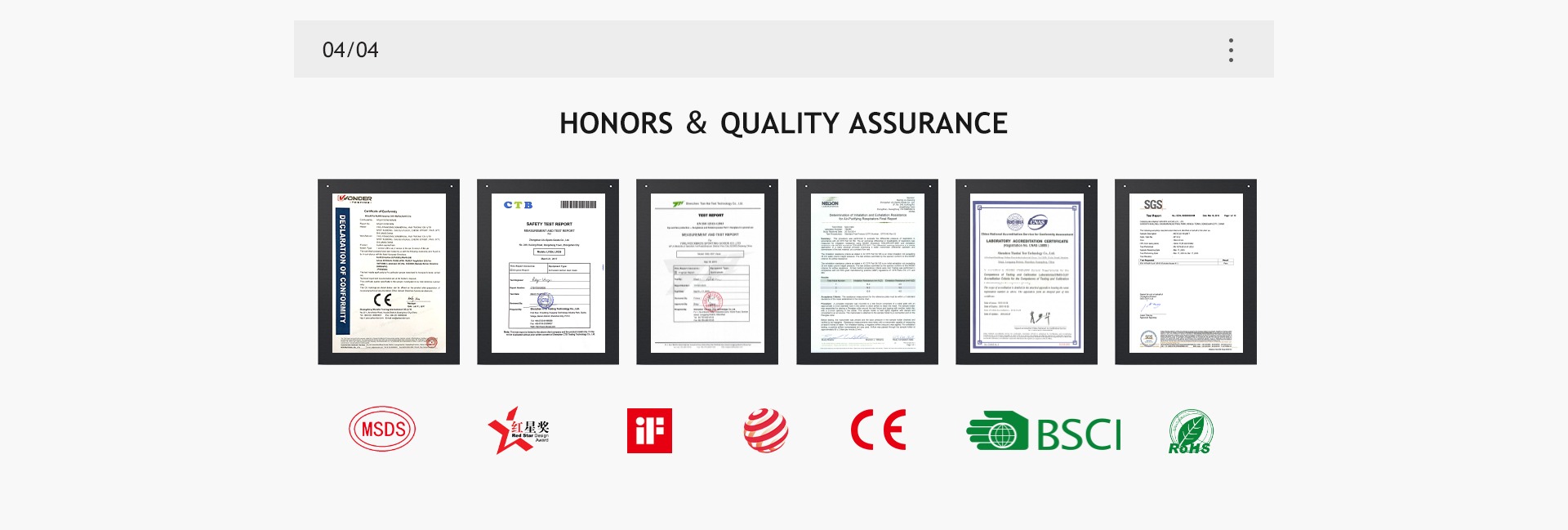
Every lithium-ion cell integrated into our smart taillights is certified compliant with UN38.3, including thermal cycling, altitude simulation, vibration, external short circuit, and impact testing. We supply authentic 1.2-meter drop test reports, current Material Safety Data Sheets (MSDS), and sea freight/air transport safety appraisals issued by accredited inspection bureaus, ensuring smooth customs processing in North America, Europe, Australia, and Asia-Pacific ports.
What is your minimum order quantity (MOQ) for custom logos, custom housing colors, and full new molds?
For standard catalog models with custom laser-etched branding and customized retail color packaging, our minimum order quantity starts at just 100 to 500 units. For bespoke anodized aluminum colors or injection-molded plastic colorway matches, MOQ is typically 1,000 units. For full ODM tooling involving custom Fresnel lens molds, structural casings, and custom PCB layouts, we support prototype tooling with production runs beginning at 3,000 to 5,000 units.
How do you ensure secure, damage-free transit for large volume export orders?
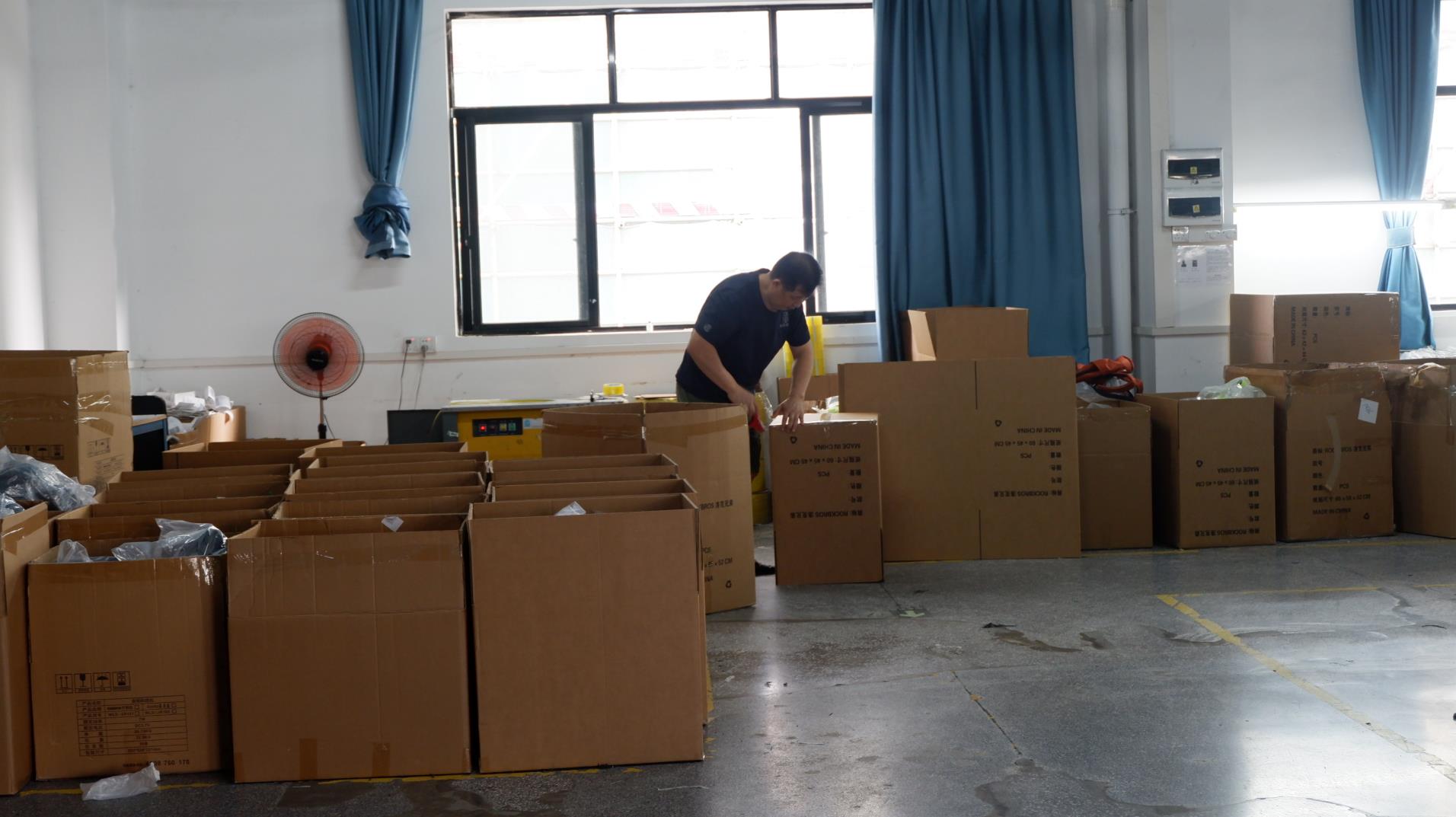
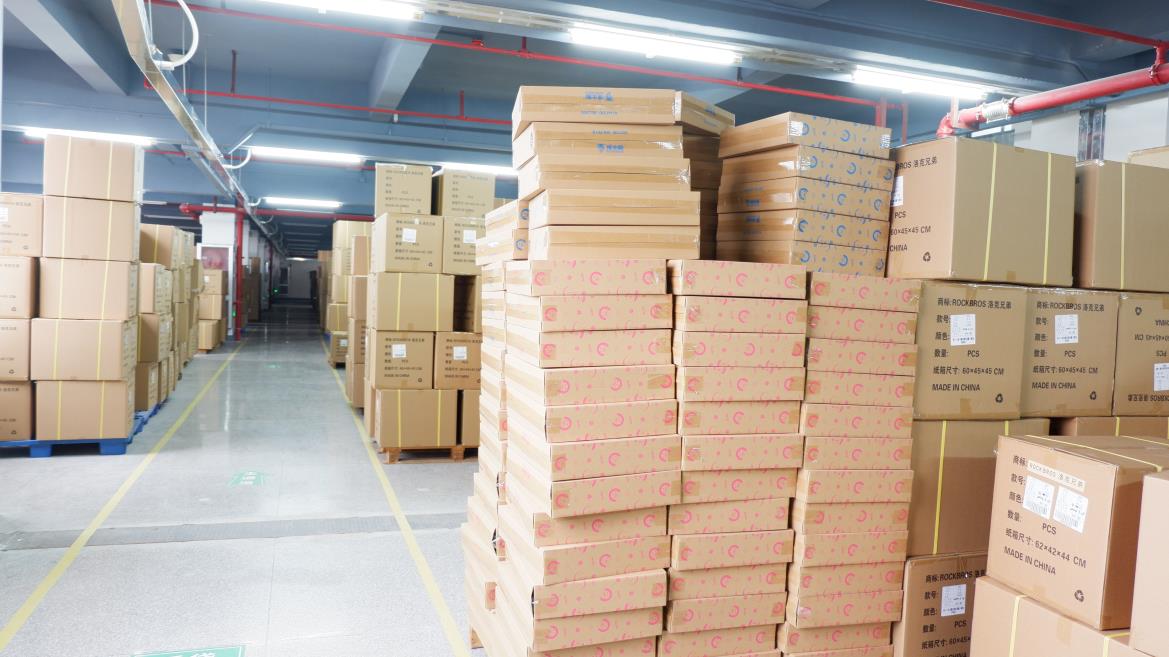
Electronic products are packaged in custom anti-static blister trays or high-density molded EVA cradles inside reinforced rigid retail boxes. Outer shipping cartons use double-wall five-ply corrugated kraft paper with reinforced corner protectors, wrapped with waterproof stretch film and strapped to heat-treated fumigated pallets compliant with ISPM 15 standards.