Accelerating Youth Cycling Safety in Cali & South-Western Colombia
As Colombia's renowned sports capital (La Capital Deportiva de Colombia) and the economic engine of Valle del Cauca, Cali is witnessing an unprecedented surge in youth cycling participation, demanding institutional-grade safety compliance, advanced impact mitigation, and streamlined Pacific trade logistics.
Industrial Overview: Sourcing Certified Youth Bicycle Helmets for the Cali Market
Cali, situated in the Cauca River Valley, stands at the epicentre of Colombia's vibrant cycling ecosystem. From grassroots track clubs training at the Velódromo Alcides Nieto Patiño to thousands of families participating in the Sunday Ciclovía de Cali along the Autopista Suroriental and Carrera 1, cycling is deeply ingrained into the social and physical fabric of Caleño life. Concurrently, regional initiatives promoting sustainable school micro-mobility and youth development across neighborhoods like San Fernando, Ciudad Jardín, and Aguablanca have accelerated consumer demand for dedicated personal protective equipment (PPE).
However, importing youth bicycle helmets into Colombia involves rigorous regulatory hurdles and distinct environmental challenges. Tropical climates with year-round temperatures averaging 24°C to 32°C, combined with high UV radiation and extreme humidity cycles, place immense thermal stress on low-grade polymeric structures. Colombian customs (DIAN - Dirección de Impuestos y Aduanas Nacionales) and national safety mandates increasingly require adherence to international standards such as European Norm CE EN 1078:2012+A1:2012 and the United States CPSC 16 CFR Part 1203, aligned with Colombian Technical Standard NTC 5201 (Cascos protectores para usuarios de bicicletas urbanas y deportivas).
As a verified manufacturing powerhouse with over 15 years of industry leadership, 366 full-time production personnel, an on-site testing laboratory accredited by TÜV Rheinland inspections, and a network of 11 dedicated manufacturing facilities, Zhejiang Narzo Technology Co., Ltd. provides turnkey OEM/ODM solutions tailored precisely to the technical, climatic, and commercial requirements of the Colombian sporting goods sector.
High-Velocity Inventory for Cali Bicycle Importers & Wholesalers
Engineered for immediate retail deployment across Latin American sports markets, featuring low factory MOQs, fully customizable branding options, and verified international safety compliance.
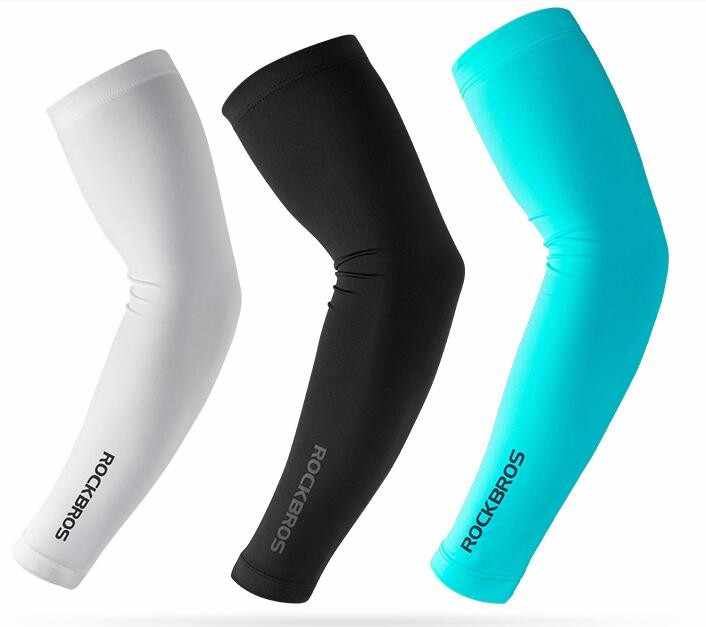
Cooling UV Protection Breathable Cycling Arm Sleeves
- UPF 50+ Ice-silk high elastane yarn
- Seamless ergonomic moisture transfer
- Anti-slip silicone upper grip band
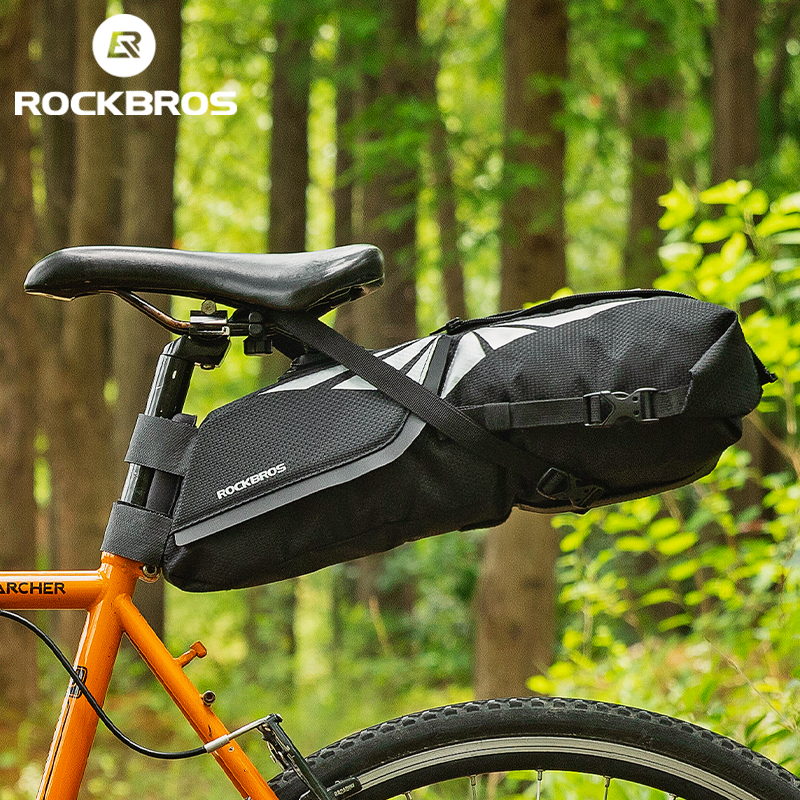
Custom Waterproof 8L Bicycle Saddle Bag for Travel
- 500D PVC + TPU seamless hermetic seal
- Hydrostatic pressure resistance >10,000mm
- Heavy-duty seatpost buckle harness
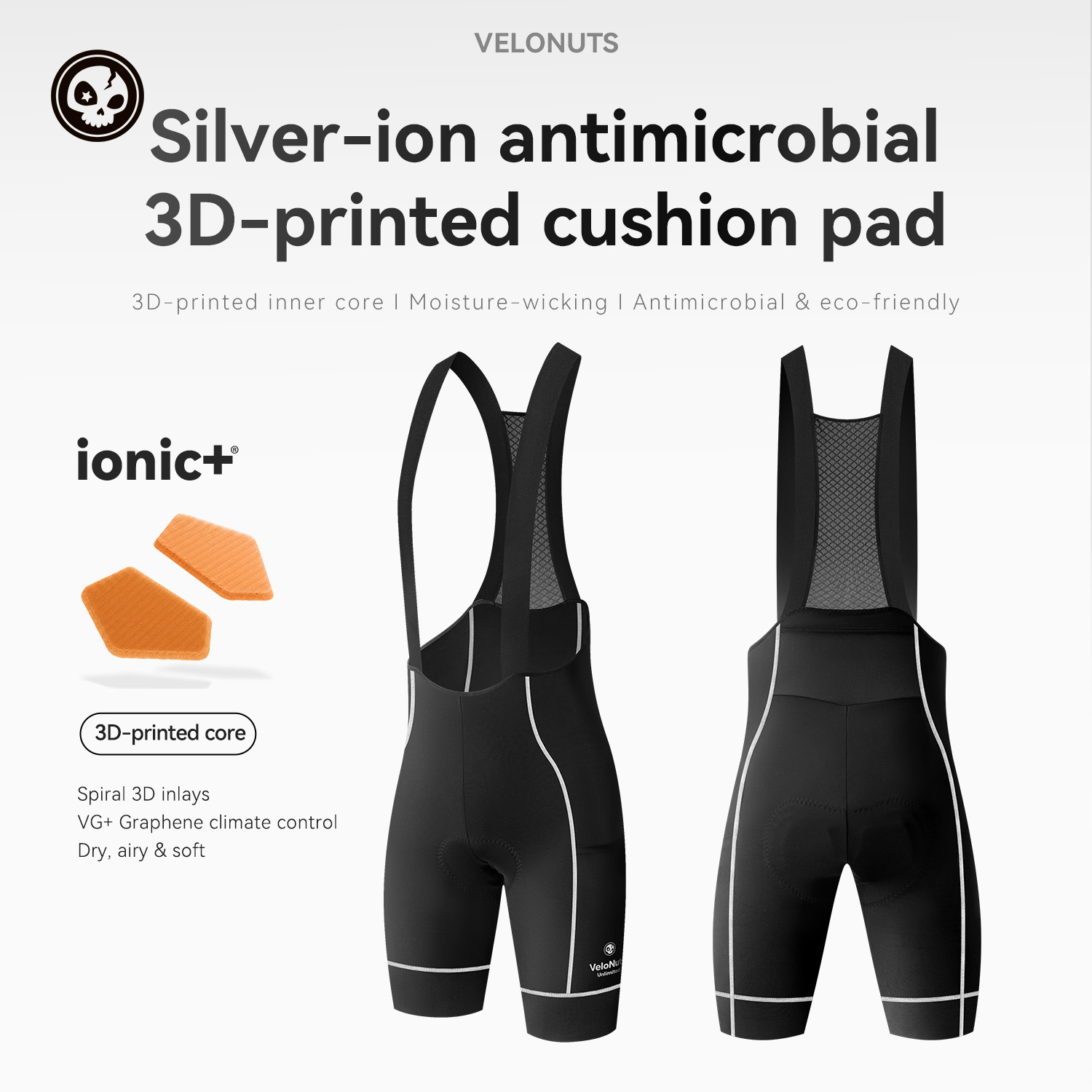
VeloNuts Men Slim Fit Breathable Cycling Bib Shorts
- High-density multi-thickness gel chamois
- 4-way stretch Italian thermal sublimation
- Laser-cut elastic hem with gripper
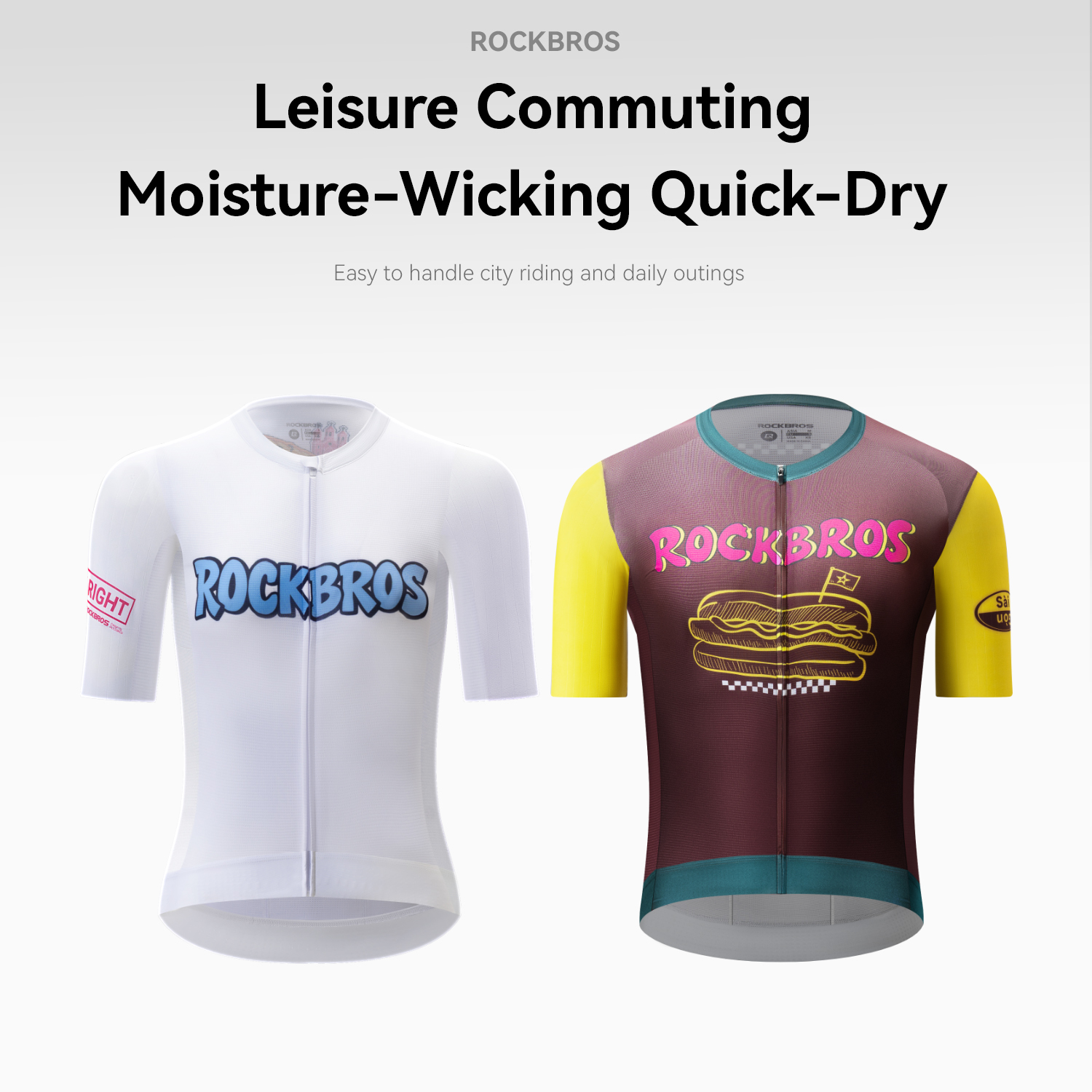
ROCKBROS Breathable Quick Dry Cycling Jersey
- 110 GSM micro-ventilation diamond fabric
- SBS full-length self-locking zipper
- Triple rear cargo pockets + reflective bar
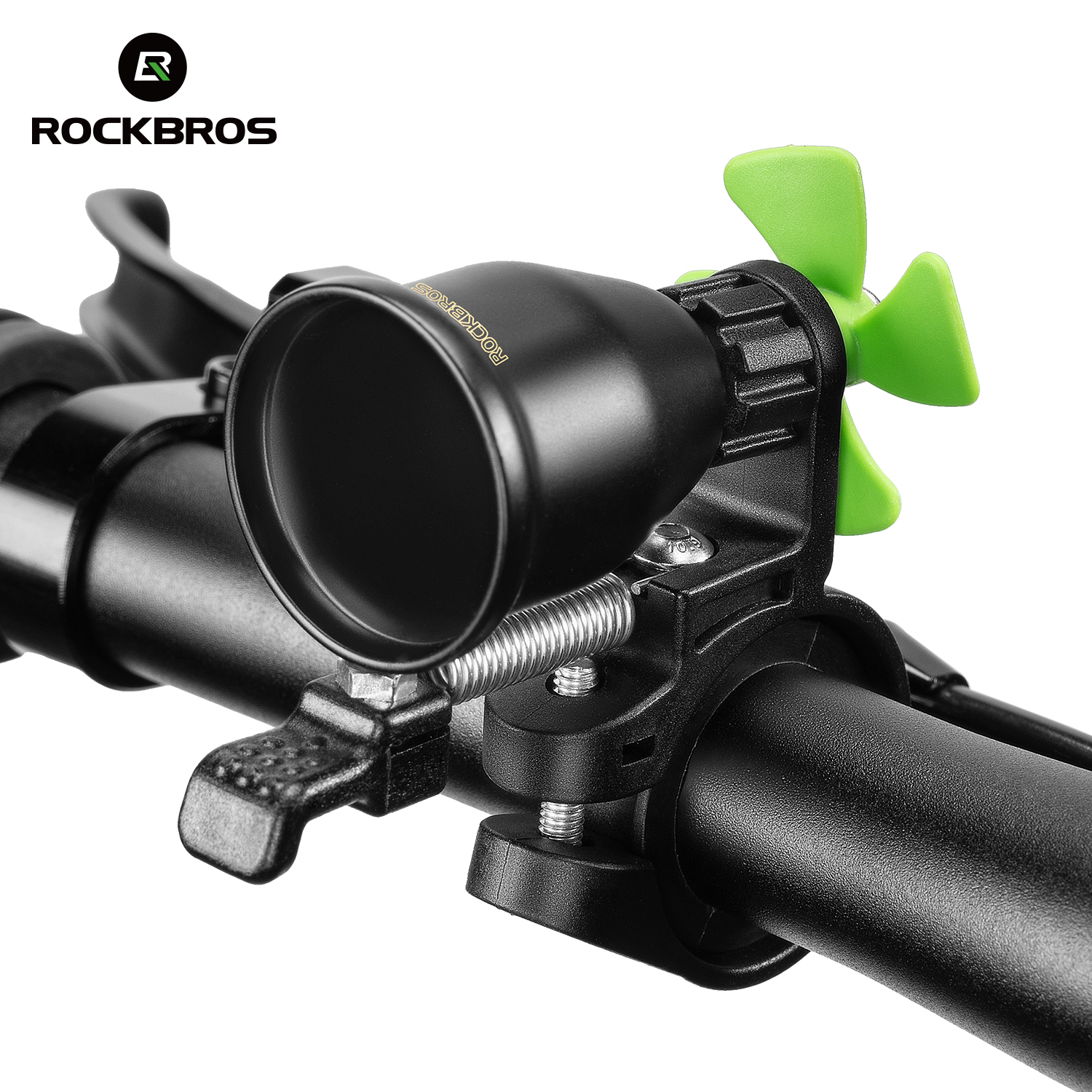
Wind Driven Fan Copper Alloy Bicycle Bell 80dB
- Resonant acoustic copper bell dome
- Kinetic visual spinning fan design for kids
- Fits 22.2mm standard handlebar diameter
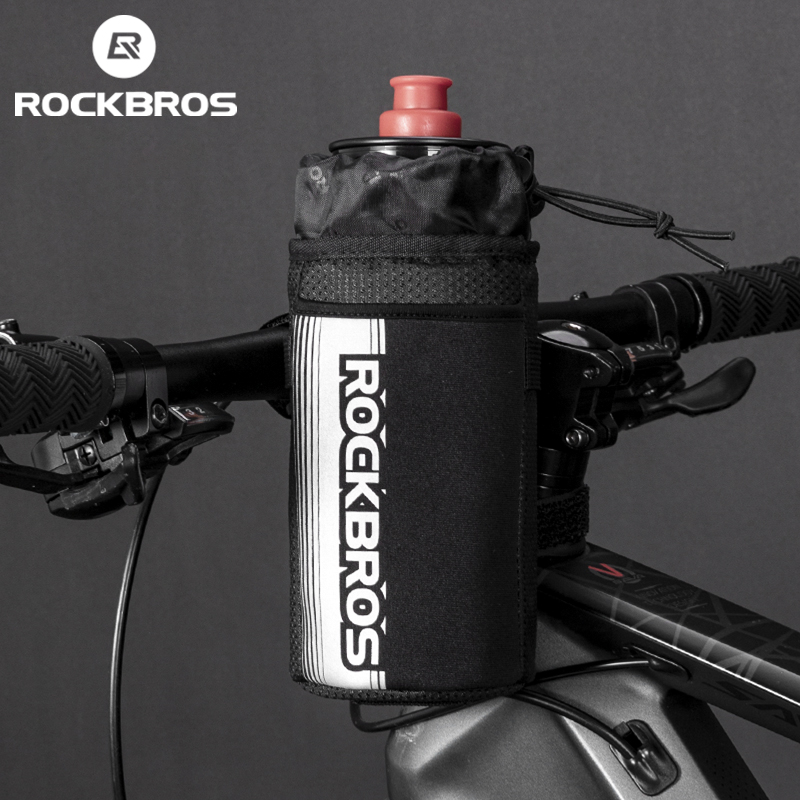
Lightweight Bike Handlebar Water Bottle Bag
- Thermal foil lining retains cool beverage temp
- 3-point velcro attachment for stability
- External stretch pocket for energy gels/keys
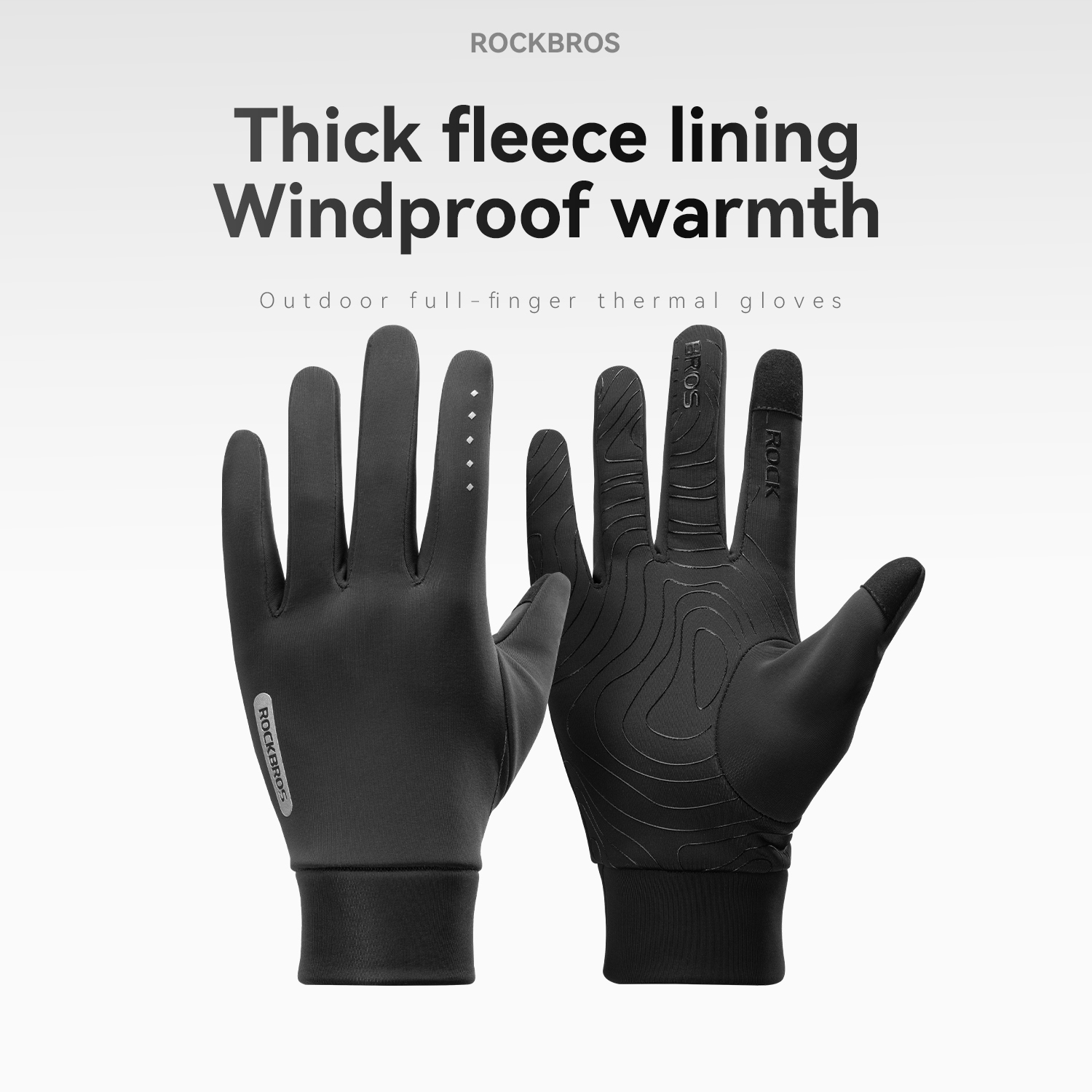
ROCKBROS Windproof Touchscreen Full Finger Gloves
- Conductive micro-fiber touch finger pads
- SBR anti-vibration damping palm pads
- Extended wind-blocking elastic neoprene cuff
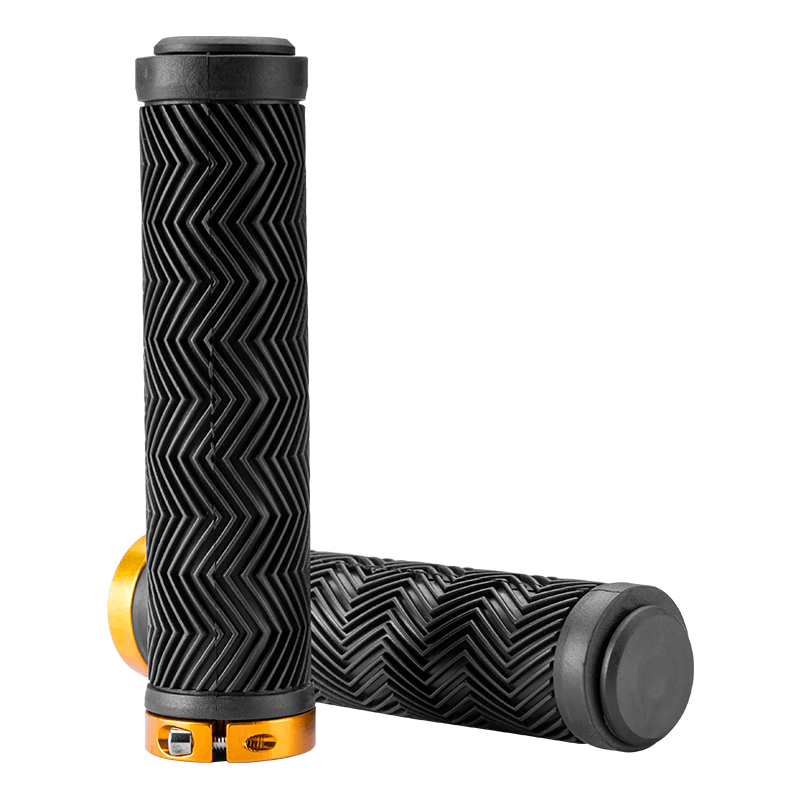
Ergonomic Lock-On Rubber Bicycle Grips
- Anatomical palm rest reduces wrist fatigue
- Single-bolt CNC aluminum lock ring
- Kraton soft-compound anti-slip surface
Engineering Excellence: Kids Bicycle Helmet Architecture for Extreme Safety
A child's cranial physiology requires substantially different energy absorption dynamics than that of an adult. Children have thinner cranial bones, softer brain tissue, and a higher head-to-body mass ratio. When cycling across urban Cali or navigating off-road dirt pump tracks around Pance and Menga, youth riders encounter both direct perpendicular collisions and violent angular rotational accelerations.
In-Mold Fusion Polycarbonate Shell
Unlike cheaper glued tape-on outer shells that shatter or separate under tropical UV and shear loads, our automated in-mold process thermally fuses a 0.8mm high-density Polycarbonate (PC) outer shield directly to the underlying Expanded Polystyrene (EPS) matrix during thermoforming.
High-Density EPS Liner Matrix
We utilize imported pure virgin EPS beads with optimized density graduation (75g/L to 85g/L). This cellular dampening structure decelerates the skull progressively within milliseconds, dispersing concentrated g-forces away from the fragile cerebral cortex.
Anti-Pinch Dial-Fit Retention
Equipped with a micro-adjustable 360-degree cranial retention wheel and skin-friendly magnetic or quick-release buckles. Even small hands can adjust the fitting tension precisely without skin pinching around the chin area.
Tropicalization Engineering: Conquering Cali’s Heat, Humidity, and Sun
Cali’s equatorial climate introduces specific points of material failure that generic helmet producers routinely overlook. Helmets exposed to strong solar radiation inside shipping containers at Buenaventura Port or while parked outdoors in Cali school yards face intense thermal degradation.
To eliminate these risks, our helmets incorporate:
- UV-Resistant Polycarbonate Pigmentation: UV stabilizers are incorporated directly into the virgin PC resin masterbatch, preventing color fading, yellowing, micro-cracking, and embrittlement from relentless UV exposure.
- Venturi Aerodynamic Cooling Channels: Deep interior airflow channels draw ambient air across the crown and vent it through rear exhaust ports, reducing cranial micro-climate temperatures by up to 3.8°C compared to conventional closed children’s skate-style helmets.
- Thermo-Sealed Anti-Microbial Liners: Detachable, washable inner sponge pads treated with safe, non-toxic anti-fungal finishes that neutralize odor and eliminate sweat bacteria common in tropical climates.
Laboratory Testing Standards Comparison: CE EN 1078 vs. CPSC 1203 vs. NTC 5201
For B2B buyers importing through DIAN into Colombia, understanding the exact technical metrics evaluated during customs and third-party laboratory verification is vital for risk-free distribution:
| Testing Parameter | European CE EN 1078:2012 | US CPSC 16 CFR Part 1203 | Colombian NTC 5201 (ICONTEC) | Zhejiang Narzo Factory Benchmark |
|---|---|---|---|---|
| Impact Velocity (Flat Anvil) | 5.42 m/s (Drop height ~1.50m) | 6.2 m/s (Drop height ~2.0m) | 5.42 m/s to 5.5 m/s | 6.3 m/s (Exceeds baseline threshold) |
| Maximum Permissible Peak Acceleration | < 250 g | < 300 g | < 250 g | < 185 g (Enhanced Head Protection) |
| Retention System Dynamic Stretch | Max 35mm dynamic extension | Max 30mm elongation under load | Max 35mm extension | < 22mm (Zero slipping guaranteed) |
| Curbstone / Kerbstone Anvil Test | Mandatory (Drop velocity 4.57 m/s) | Hemispherical anvil test | Mandatory curbstone drop test | Dual-stage destructive batch tested |
| Roll-off (Stability) Assessment | Tilt angle < 30° under 10kg drop | Dynamic rotational drop test | Mandatory rotational pull test | Passes 360° rotational slippage pull |
Market Trends: Youth Micro-Mobility and Retail Demand in Cali
The bicycle sector in Valle del Cauca has transitioned from pure weekend recreation into a dominant urban transport and athletic culture. Importers who align their product assortment with the following regional trends are capturing dominant market share:
Grassroots BMX & Pump-Track Boom
Following Olympic medal inspirations like Mariana Pajón, BMX and balance-bike academies in Cali (such as the Pista de BMX de San Fernando) are booming. Parents seek lightweight helmets featuring full rear-occipital coverage that transition effortlessly from balance bikes to pump tracks.
High-Visibility Urban Commuting Safety
As traffic congestion in Cali intensifies, family cycle-commuting along corridors like Avenida Pasoancho and Calle 5 has amplified the need for active visibility. Helmets equipped with integrated rear USB rechargeable LEDs or high-luminescence 3M reflective graphic decals are commanding 30% higher retail margins.
Growth of Private-Label Brand Offerings
Independent bike distributors and department retailers across Colombia are moving away from heavily marked-up international brands in favor of their own private-label OEM brands, demanding factory-direct customized molds, custom colorways, and retail box packaging.
Factory Strengths: Zhejiang Narzo Technology's Manufacturing Rigor
As verified by on-site third-party audits by TÜV Rheinland, Zhejiang Narzo Technology operates an integrated quality control ecosystem spanning raw material receipt, precision tool molding, computerized sewing, high-frequency welding, and drop-tower impact laboratories.
Drop-Tower Impact Rig
Monitors computerized deceleration curves and g-force transmission through hemispherical and curbstone anvils, ensuring 100% batch safety compliance.
Tensile & Strap Tester
Applies cyclic shock loads to the chin strap, buckle, and retention webbing to ensure zero release under sudden impact tensions up to 500N.
Rubbing Fastness & UV
Evaluates colorfastness against sweat, friction, and tropical heat to confirm that screen prints and heat-transfers will not degrade over time.
Hydrostatic Pressure Lab
Validates welded seam integrity on waterproof panniers, saddle bags, and waterproof riding covers under real-world deluge simulations.
End-to-End OEM/ODM Customization for Colombian Brands
We empower Cali importers to launch differentiated collections with minimum capital exposure:
- Tooling & 3D Engineering: Custom helmet shell sculpting utilizing 3D SolidWorks and rapid SLA prototype printing in 7 working days.
- Pantone-Matched Color Schemes: Trend-setting color options suited for youth tastes in Colombia, including vibrant neon citrus, matte pastel mint, and high-gloss multi-tone gradient decals.
- Multilingual Retail Packaging: Full Spanish packaging design compliant with Colombian consumer information legislation (EAN-13 barcodes, Spanish user manuals, and import distributor labeling).
- Consolidated Multi-Category Shipments: Combine helmets, cycling jerseys, gloves, UV arm sleeves, and waterproof bags within a single 20GP or 40HQ container from our Zhejiang central distribution hub.
Supply Chain Optimization: Ocean Freight from Ningbo to Buenaventura & Cali
Geographic proximity to the Pacific Ocean gives Cali an enormous logistical advantage over interior Colombian cities such as Bogotá or Medellín. Cargo destined for Cali enters the country through the Port of Buenaventura, located merely 120 kilometers west via the Loboguerrero corridor.
| Logistics Step | Location & Handling | Typical Lead Time | Key Sourcing Recommendation |
|---|---|---|---|
| Factory Production & QC | Narzo Facility, Zhejiang, China | 25 – 35 Days | Pre-production sample sign-off + batch drop test report issued. |
| Ocean Freight Transit | Ningbo / Shanghai to Buenaventura | 22 – 28 Days | Direct Pacific container lines avoid Panama Canal congestion surcharges. |
| DIAN Customs Clearance | Sociedad Portuaria de Buenaventura | 3 – 5 Days | Ensure bill of lading lists HS Code 6506.10 with CE/NTC documentation. |
| Overland Drayage to Cali | Buenaventura to Cali (Yumbo logistics hub) | 24 – 48 Hours | Bonded warehouse transport directly to your Cali distribution warehouse. |
Our dedicated export documentation team provides accurate Commercial Invoices, Packing Lists, Certificates of Origin (Form CO for preferential tariff verifications), and comprehensive CE EN 1078 test certificates issued by internationally accredited testing bodies (SGS, TÜV, or Intertek) to ensure rapid clearance at Colombian customs.
Frequently Asked Questions for Sourcing to Cali
Clear answers to regulatory, financial, and logistical inquiries raised by Colombian importers, purchasing managers, and cycle distributors.
What specific certifications are required to legally import kids bicycle helmets into Cali, Colombia?
Under Colombian regulatory guidelines managed by the Superintendencia de Industria y Comercio (SIC) and customs directives from DIAN, bicycle helmets must demonstrate verifiable compliance with internationally recognized safety standards. The most widely accepted certification is European Norm CE EN 1078:2012+A1:2012, alongside American CPSC 16 CFR Part 1203.
These standards align with Colombian Technical Standard NTC 5201. Every production batch from our factory is backed by third-party laboratory test reports validating impact attenuation, curbstone penetration resistance, and chin retention strength, guaranteeing swift customs clearance without administrative delays.
What is the HS Code and import tariff structure for bicycle helmets entering Colombia?
Bicycle safety helmets are classified under Harmonized System (HS) Code 6506.10.00.00 (Safety headgear). In Colombia, standard import duties (arancel) for this category typically stand at 10% or 15%, alongside the standard national VAT (IVA) of 19% calculated on CIF value.
Because our export department maintains pristine compliance records and delivers all necessary Certificates of Origin and verified customs packing lists, our buyers avoid costly misclassification penalties and benefit from efficient processing through Buenaventura customs.
What is the typical Minimum Order Quantity (MOQ) for custom private-label branding?
We offer flexible production tiers designed to accommodate both expanding regional distributors and national retail chains:
- In-Stock / Ready-to-Ship Standard Models: Starting at just 10 to 20 units per model, perfect for preliminary market testing and sample verification.
- Custom Logo Screen-Printing & Custom Straps: Starting at 300 units across 2 head sizes (e.g., Small 48-52cm and Medium 52-56cm).
- Full OEM Custom Colorways, Molds & Spanish Retail Packaging: Typically 500 to 1,000 units, allowing full customization of exterior graphics, Pantone matching, and branded color gift boxes.
Can we consolidate helmets with other cycling accessories in one shipping container?
Yes, absolutely. This is one of the strongest strategic advantages of working with Zhejiang Narzo Technology. Helmets are high-volume, lightweight items (low density, high CBM). Packing a container solely with helmets often leaves underutilized deadweight capacity.
Our buyers in Colombia routinely consolidate shipments by combining helmets with high-density accessories such as copper alloy bells, lock-on handlebar grips, waterproof saddle bags, UV arm sleeves, and cycling jerseys. This multi-category consolidation drastically reduces landed freight cost per unit into Cali.
How does the maritime route to Buenaventura compare with Caribbean ports like Cartagena or Barranquilla?
For importers located in Cali, Popayán, Pasto, or the Coffee Triangle (Eje Cafetero), shipping via Buenaventura saves thousands of dollars in domestic road transportation compared to Atlantic ports. The overland transit distance from Buenaventura to Cali is merely 120 km (approximately 3 to 4 hours of road transit under normal highway conditions).
In contrast, trucking a 40ft container from Cartagena or Barranquilla across the Andes mountain ranges to Cali exceeds 1,000 km, takes 3 to 5 days, and increases domestic freight costs significantly. Direct trans-Pacific sailings from Ningbo or Shanghai to Buenaventura offer the fastest and most cost-effective supply chain into south-western Colombia.
How do your factory helmets perform under Cali's high tropical humidity and heat?
Low-grade youth helmets manufactured with glued outer shells and standard industrial glue frequently experience delamination in tropical environments when left inside vehicle trunks or school lockers. Our helmets utilize automated high-pressure in-mold fusion where the polycarbonate shell is molecularly bonded to the EPS foam core during the molding cycle.
Furthermore, all inner cushioning pads undergo anti-bacterial thermo-sealing, preventing fabric deterioration and unpleasant bacterial odor caused by heavy perspiration in Cali’s equatorial climate.
What quality assurance documentation is provided prior to dispatching container orders?
Prior to carton sealing and container loading, our in-house lab completes a comprehensive Pre-Shipment Inspection (PSI) following the ANSI/ASQ Z1.4 (ISO 2859-1) AQL standard (Level II, Major 2.5, Minor 4.0). We provide buyers with:
- Destructive drop-tower impact test reports recording peak deceleration forces.
- Strap tensile test data verifying buckle release thresholds.
- High-resolution photo and video logs of carton dimensions, barcodes, and Spanish regulatory labels.
- Official CE certificate files and factory declaration of conformity documents ready for DIAN submission.
Can we obtain pre-production physical samples in Cali before confirming mass production?
Yes. We routinely courier pre-production golden samples directly to Cali via DHL Express or FedEx (typical transit 4 to 6 business days). We provide both plain unprinted fit-verification samples and full custom-printed artwork prototypes displaying your company logo, PMS color matching, and custom graphic livery for final commercial approval.