How to Source High-Performance MTB Riding Pants: Fabric Engineering, Pad Articulation, Quality Verification & Future Market Trends
As global trail riding, gravity enduro, and all-weather e-MTB cycling surge across North America, Europe, and Asia-Pacific, procurement leaders face rising expectations for trail trousers. Discover how Zhejiang Narzo Technology Co., Ltd. blends 4-way stretch ripstops, laser-perforated thermal mapping, DWR C0 weatherproofing, and calibrated knee clearance to deliver private-label MTB riding pants that excel on steep terrain and drive retail margins.
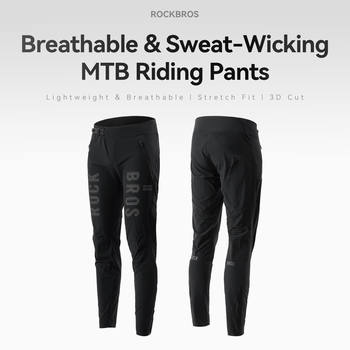
4-way stretch poly-spandex with graduated tapering, cam-lock waist adjuster, and high-tenacity seat gusset.
Engineered For Every Trail Discipline
Curated MTB Riding Pants Portfolio for Global Distributors
Unlike generic outdoor activewear, mountain biking requires dedicated ergonomic tailoring that prevents chainring snagging, accommodates hard and soft knee pads, and withstands repetitive saddle friction under mud, dust, and rain. Below are our five core manufacturing platforms ready for custom OEM branding.
Top Seller
Trail & Enduro Lightweight MTB Pants
Engineered for high-cadence pedaling in warm to temperate climates. Utilizes targeted inner-thigh laser venting, high moisture evaporation yarns, and a dynamic 4-way stretch shell that flexes through every crank stroke.
Built for bike parks and World Cup DH circuits. Incorporates abrasion-resistant 500D Cordura reinforcement across the seat panel and inner drive-side calf to resist direct crank friction and rock strikes.
Designed for muddy winter conditions and wet gravel epics. Features a high-tenacity 15,000mm hydrostatic head membrane, fully taped interior seams, and eco-friendly PFC-free DWR coating to shed trail spray.
OEM Technical Specification Benchmark for MTB Riding Pants
When sourcing mountain bike trousers, retail brand reputation hinges on specific material weights, breathability ratings, and structural reinforcements. Here is how our production line maps out standard engineering tiers:
Performance Metric
Lightweight Trail / Enduro
Downhill / Freeride Park
Winter & Monsoon Storm
Primary Shell Material
88% Nylon 6.6, 12% Spandex (4-Way Stretch)
90% Nylon, 10% Elastane with 500D Cordura Seat
3-Layer Composite Fabric with Hydrophilic TPU
Fabric Weight (GSM)
180 – 210 GSM
240 – 280 GSM
190 – 220 GSM
Water Repellency / Membrane
C0 Eco-DWR (80/20 Wash Rating)
C0 Eco-DWR + PU Water-Resistant Backing
15,000mm H2O / 15,000 g/m²/24hr Breathability
Seam Construction
Twin-needle flatlock with stretch thread
Triple-needle safety stitching at high-load stress zones
Fully heat-welded tape sealed seams
Waist Retention System
Dual hook-and-loop side tabs with silicone gripper
Moto-style micro-ratchet buckle with cam lock
Elastic waistband with internal drawcord & snap buttons
Knee Pad Compatibility
Optimized for low-profile slip-on D3O pads
Expanded 3D knee cavity for hardshell guards
Pre-shaped articulated cut with abrasion overlay
Industry Insight
Key Development Trends Reshaping MTB Riding Pants
B2B buyers and brand managers must stay ahead of changing rider expectations. The mountain bike apparel market has shifted dramatically over the past three seasons, transitioning from baggy motocross hand-me-downs to dedicated, biomechanically engineered trail trousers.
1. The Year-Round "Pants Instead of Shorts" Shift
Riders historically reserved full-length riding pants for freezing muddy winters or downhill racing. Today, over 65% of trail, enduro, and gravel riders wear ultralight pants in spring, summer, and autumn. Why? Pants provide full-leg protection against poison ivy, ticks, sun exposure, abrasive brush, and gravel rash without requiring heavy armor.
Thermal-mapped laser perforations: High-precision CNC cutting punches micro-vents along the inner thigh and popliteal fossa to keep skin cool in 28°C+ summer heat.
Extreme ankle taper: Snug, elasticated lower cuffs eliminate chainring snag without flapping at high pedaling speeds.
Featherweight shell fabrics: Reducing fabric weight down to under 200 GSM while preserving tear strength via ripstop grid weave structures.
2. Biomechanical 3D Patterning & Knee Ergonomics
Traditional outdoor pants fail on mountain bikes because walking kinematics differ radically from the cycling pedal stroke. When sitting on an MTB saddle, the hip is flexed 60° to 90° and the knee flexes up to 120° thousands of times per ride.
Pre-curved ergonomic knees: Multiple dart seams eliminate bunching behind the knee while providing 30mm of vertical expansion for internal knee pads.
Seamless crotch gusset: Moving seams away from the saddle sweet spot to eradicate chafing and saddle-hooking during out-of-the-saddle descents.
Elevated rear lumbar rise: Cut taller in the back to prevent skin exposure when leaning forward in aggressive downhill attack position.
Strategic Sourcing
Future Procurement Trends for B2B Importers & Brands
Procuring MTB riding pants in 2025 and beyond requires navigating chemical compliance, recycled feedstock mandates, e-MTB rider demographics, and multi-category consolidation.
E-Bike Boom Demands Higher Abrasion Durability
The global e-MTB explosion has doubled the average distance riders cover per session. Higher speeds and longer saddle time generate substantial heat and friction on seat panels. Sourcing managers are now specifying Martindale abrasion resistance thresholds above 25,000 cycles, replacing delicate single-ply polyesters with double-woven nylon 6.6 blends to avoid premature warranty returns.
Specification of high-tensile bonded thread (size 40 or 60) for seat seams.
Reinforced inner ankle cuffs resistant to pedal-pin lacerations and chain grease.
Integrated deep smartphone holster pockets positioned on the outer thigh to stop heavy devices from bouncing into the hip crease while pedaling.
European (REACH, EU Corporate Sustainability Due Diligence) and US state regulations (e.g., California AB 1817 PFAS ban) have made non-fluorinated chemistry mandatory. Procurement directors can no longer afford supply chain risk from unverified mills.
PFC-Free C0 DWR coatings: Sustainable plant-based or silicone water repellency that meets high spray-test ratings without toxic fluorocarbons.
Recycled Post-Consumer Nylon (rPA): Sourcing yarns certified under Global Recycled Standard (GRS) to align with retail ESG reporting.
OEKO-TEX Standard 100 Class II: Guaranteeing all dyes, elastic bands, and pocket linings are skin-safe and hypoallergenic.
Looking to Launch a Custom MTB Riding Pants Collection?
Whether you need low-MOQ test orders with custom silicone branding or large-scale full-package ODM development with proprietary fabric blends, Zhejiang Narzo Technology Co., Ltd. is ready to collaborate.
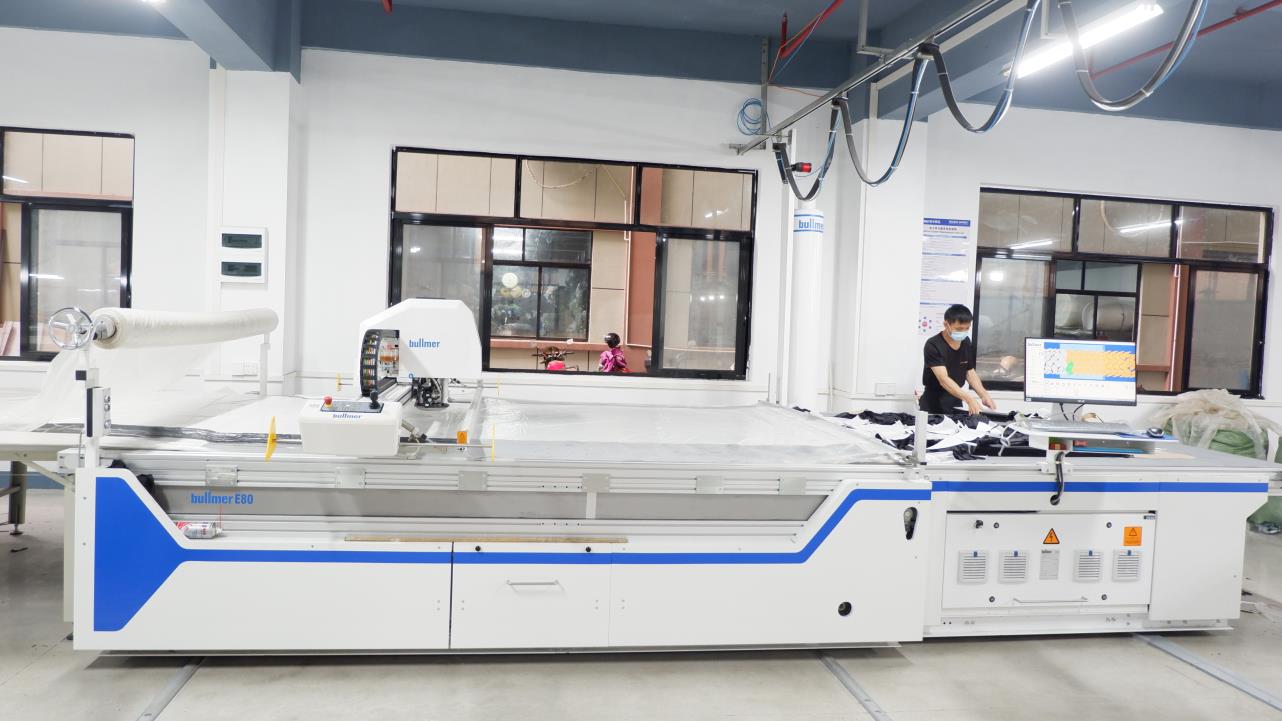
With 15 years of technical outerwear experience, more than a decade of international export expertise, and a dedicated team of 366 professionals, Zhejiang Narzo Technology Co., Ltd. controls the full manufacturing chain—from raw material molecular inspection to computerized cutting, laser ventilation, and on-site tensile verification.
Raw Material Fabric Inspection
100% optical inspection of roll yardage under calibrated 5000K daylight simulators to flag weft defects before cutting.
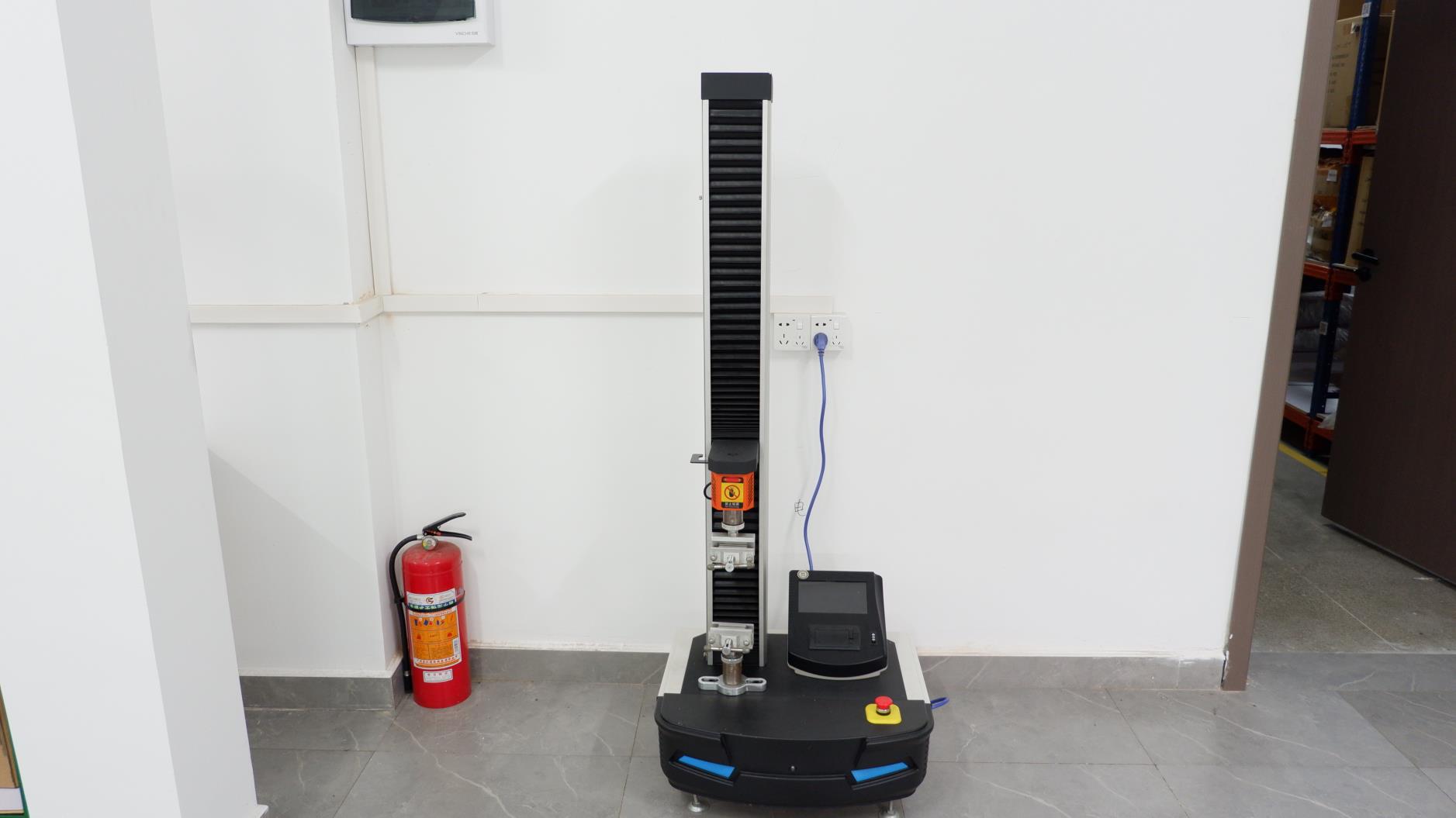
Seam & Fabric Tensile Testing
Precision computerized tensile testing measures seam break strength and fabric elastic recovery up to 500N load limits.
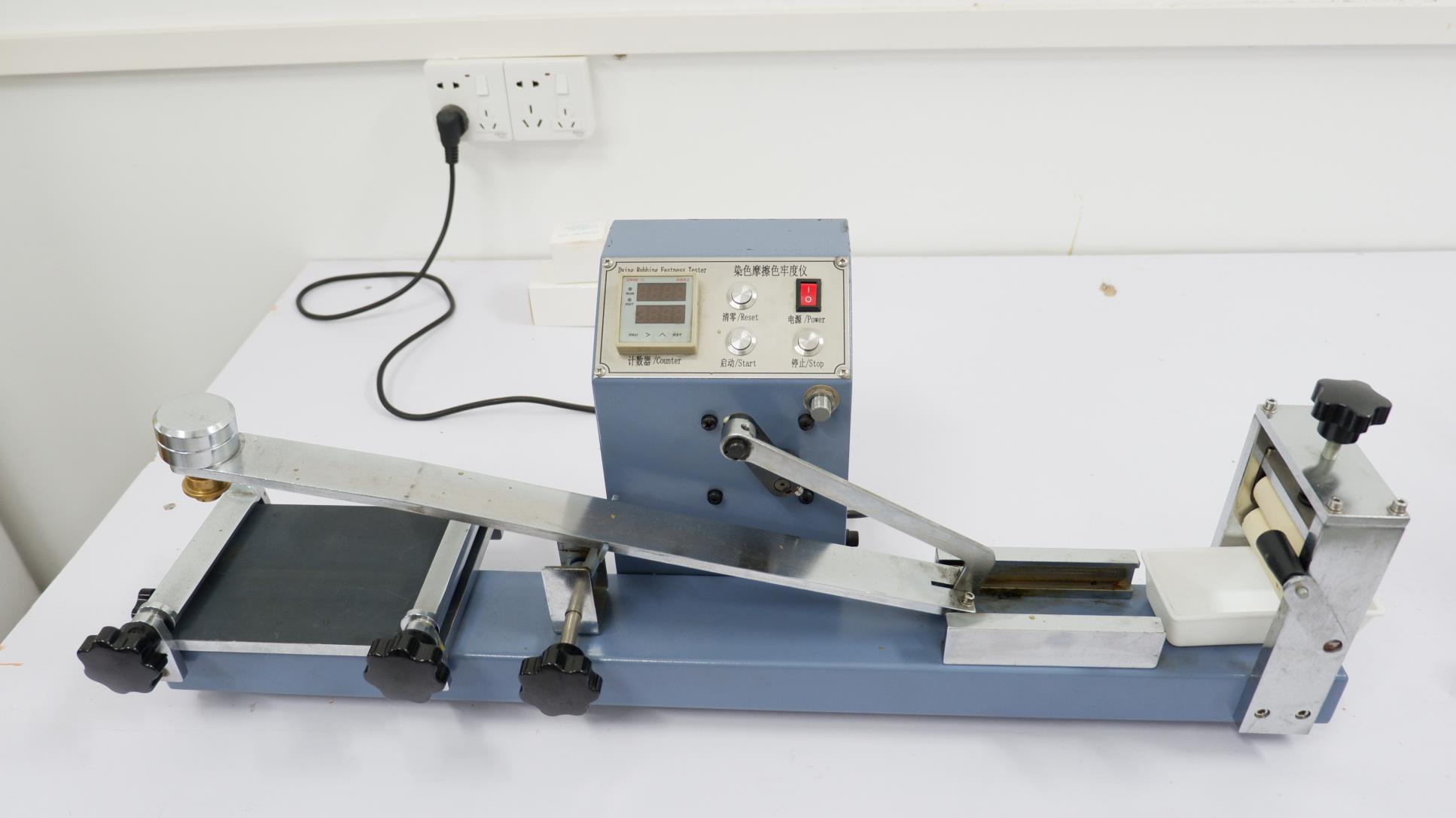
Drying / Wet Rubbing Fastness
Evaluating color fastness up to Grade 5 to verify black and high-vis dyes will never transfer to carbon or leather saddles.
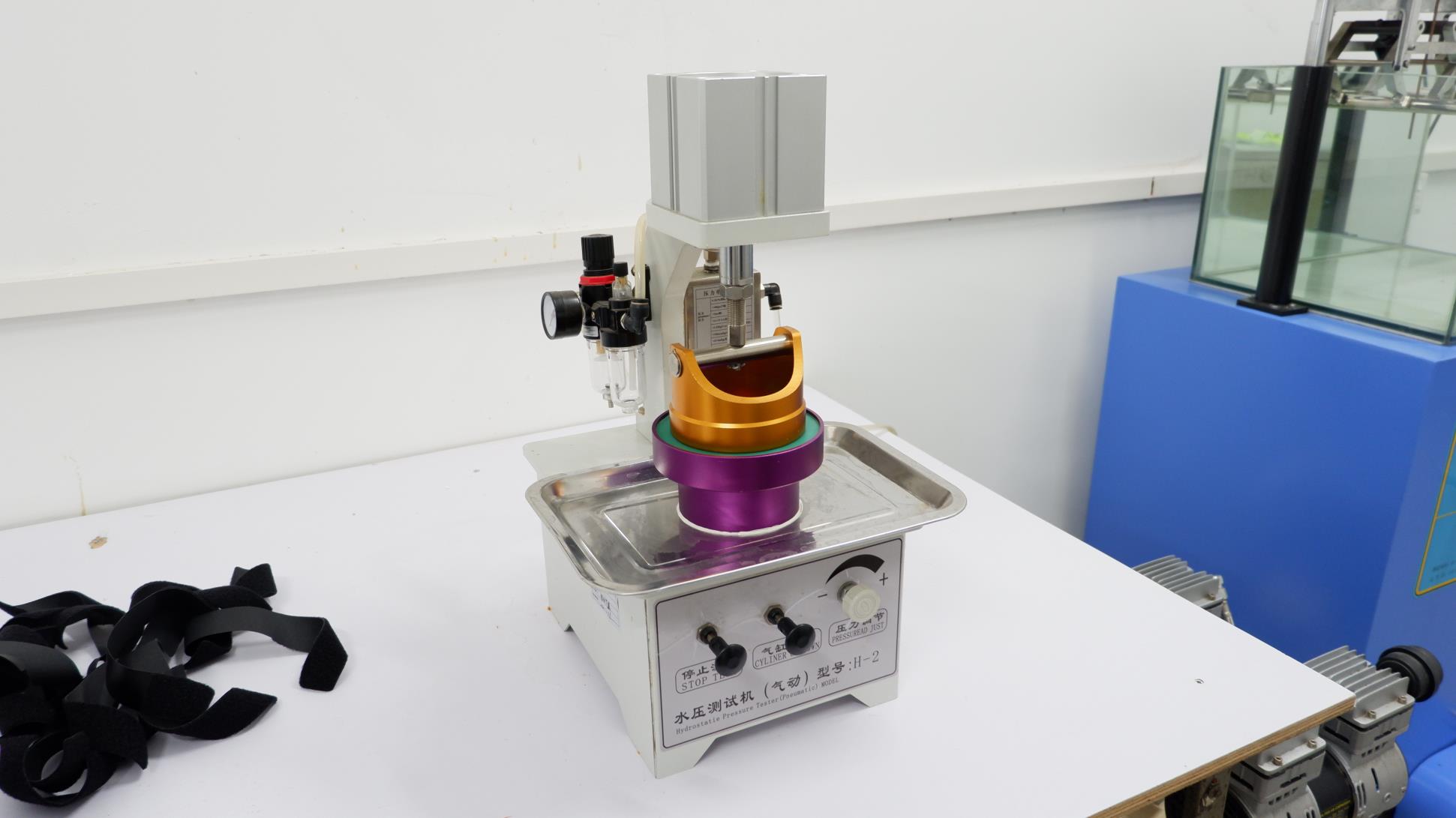
Hydrostatic Head Water Pressure
Calibrating waterproof breathability from 5,000mm up to 20,000mm H2O on finished storm trousers and bonded seams.
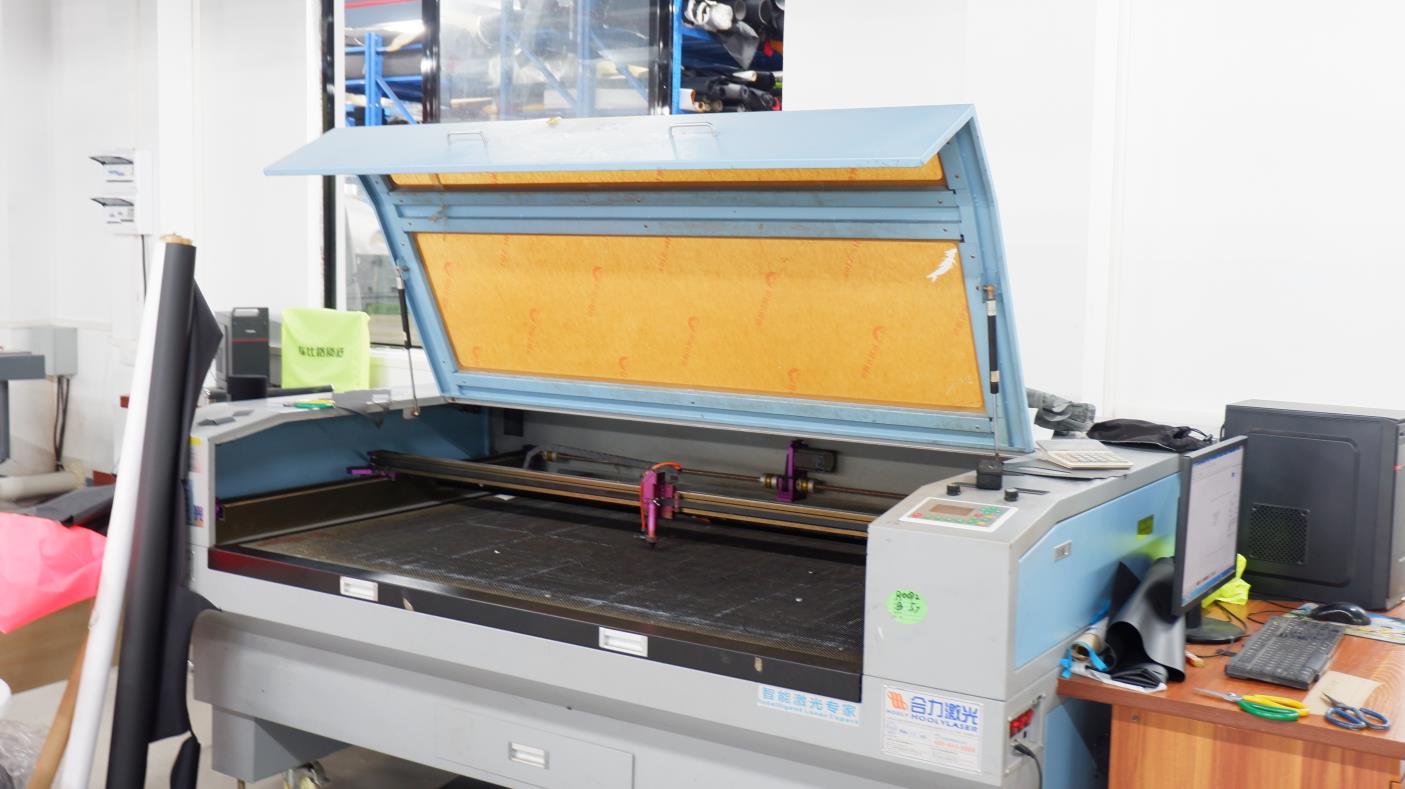
Industrial Laser Cutting
Micro-sealed laser perforation holes and precision edge cutaways prevent fraying on lightweight nylon stretch fabrics.
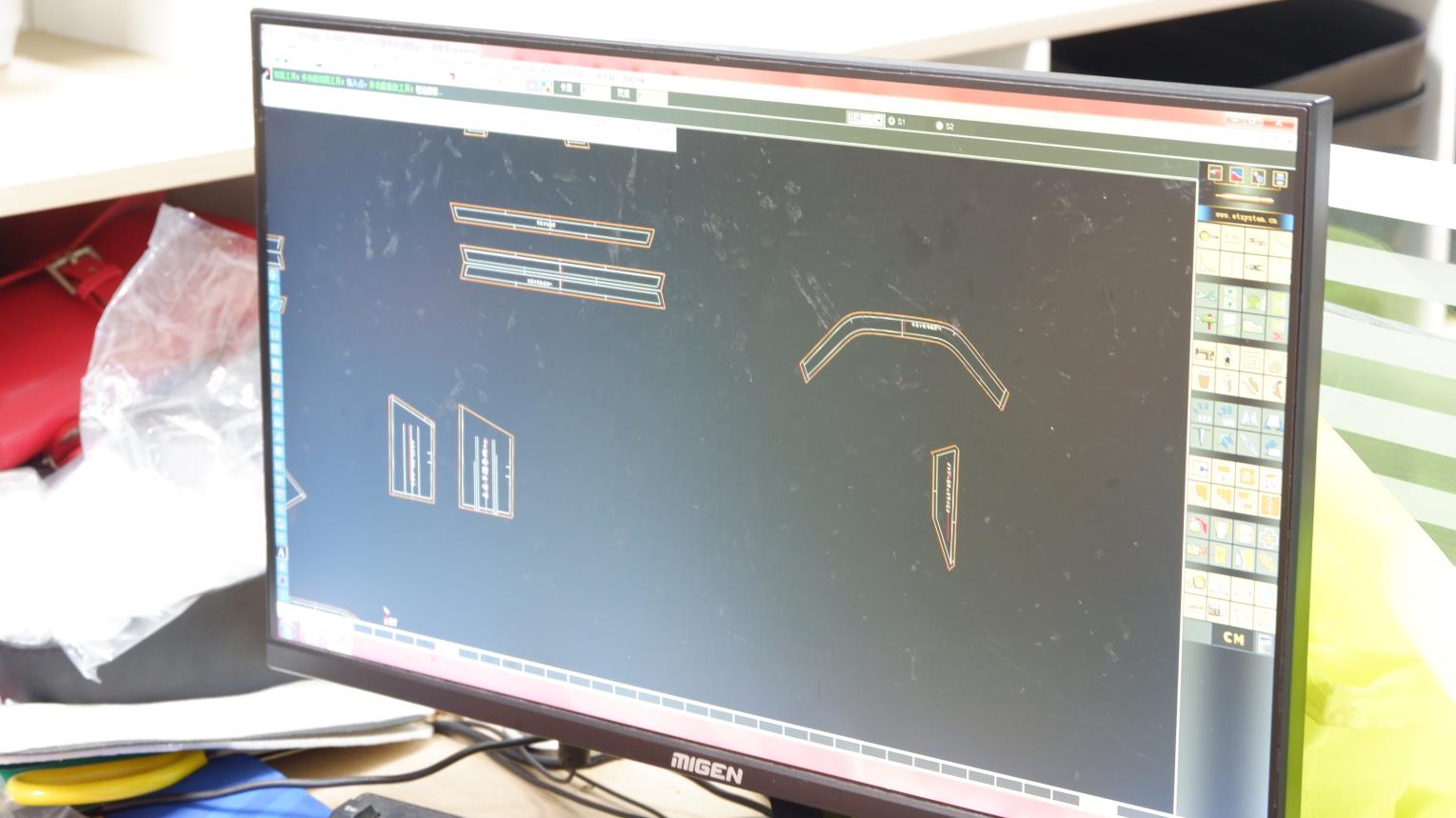
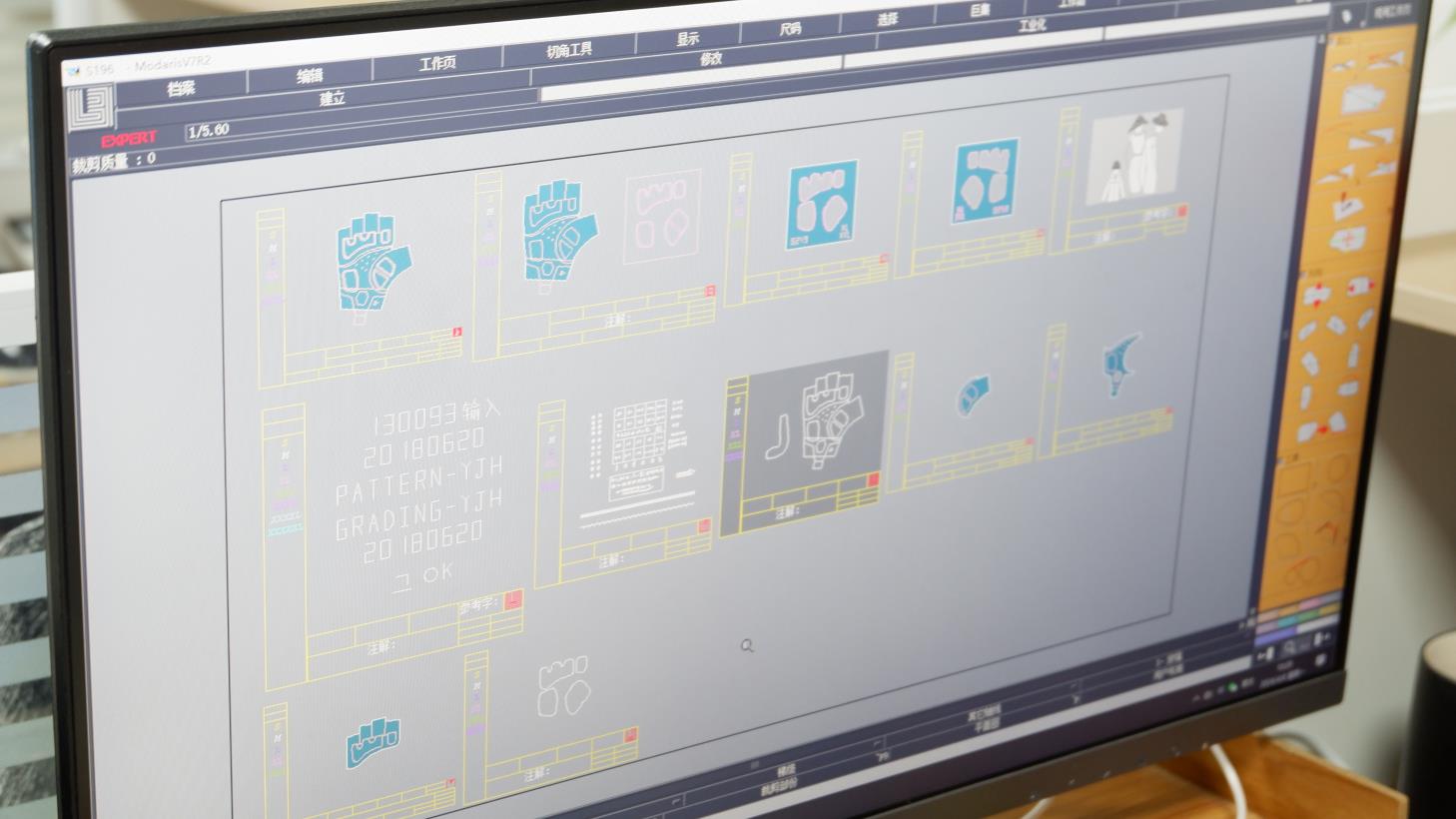
High-ply CNC cutters reproduce millimeter-accurate patterns designed in our 3D CAD modeling software.
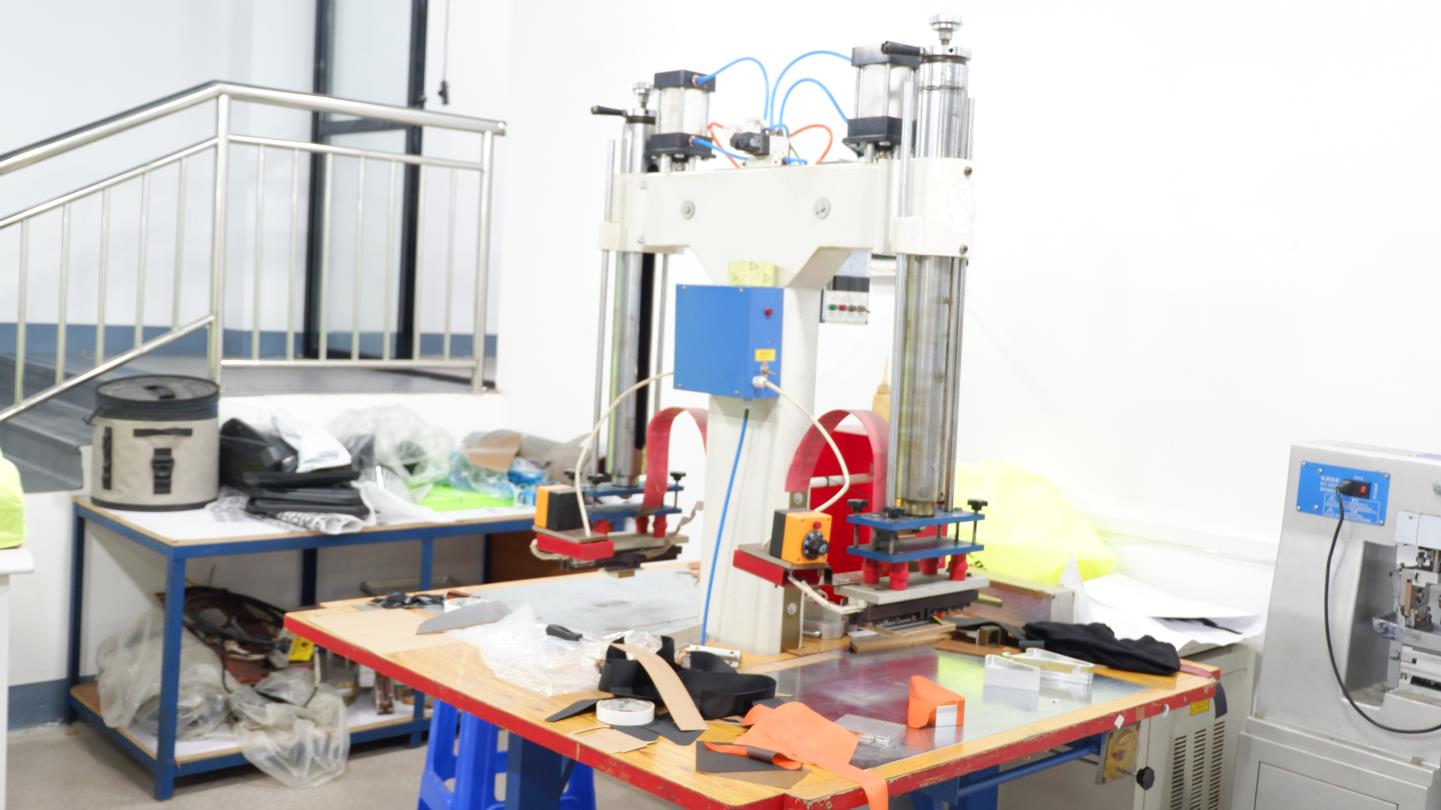
High-Frequency Heat Gluing
Seamless pocket bonding, reflective heat seals, and welded seam tape deliver clean aesthetic and waterproof durability.
On-Site Assessed by TÜV Rheinland & In-House Lab
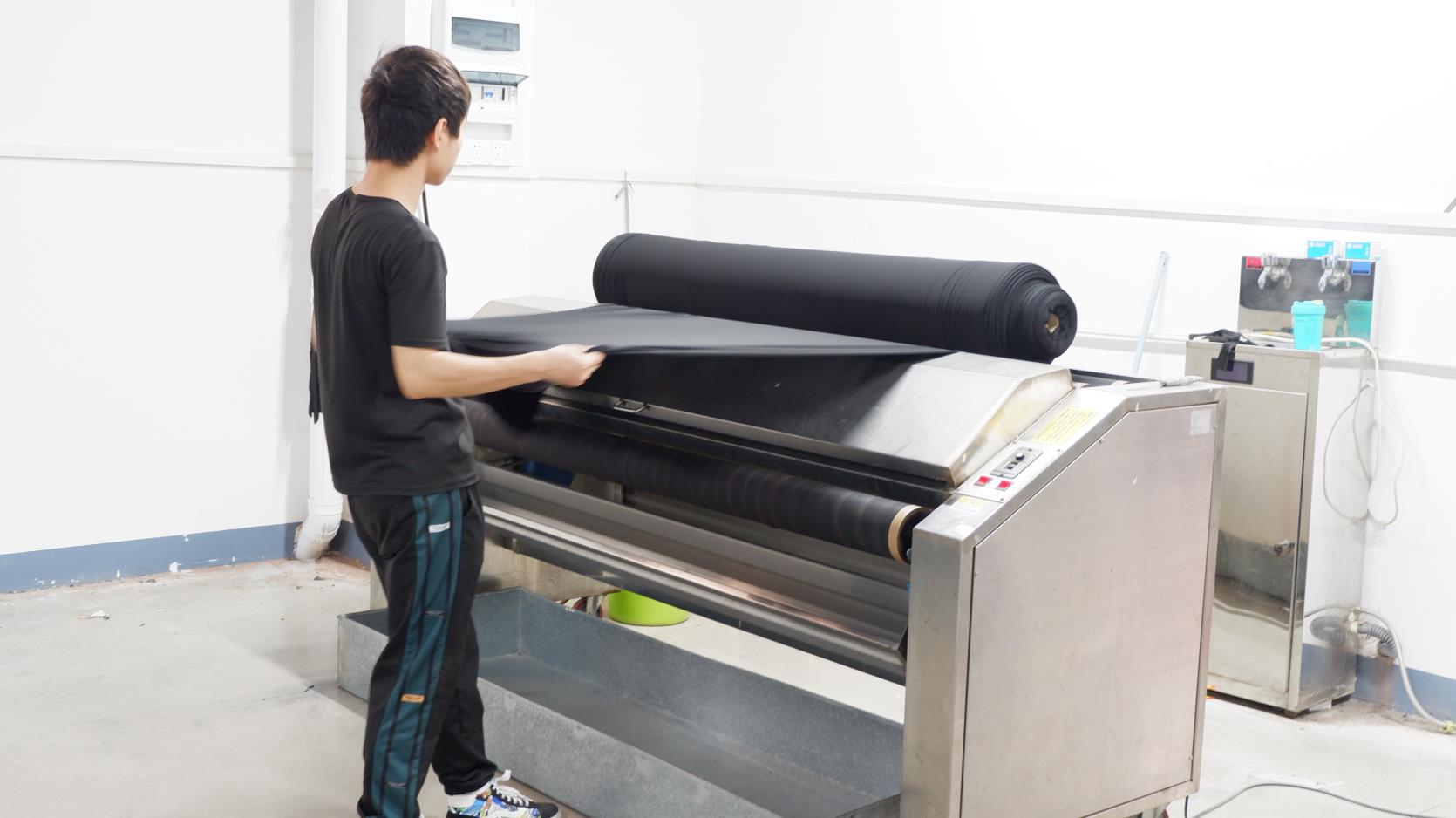
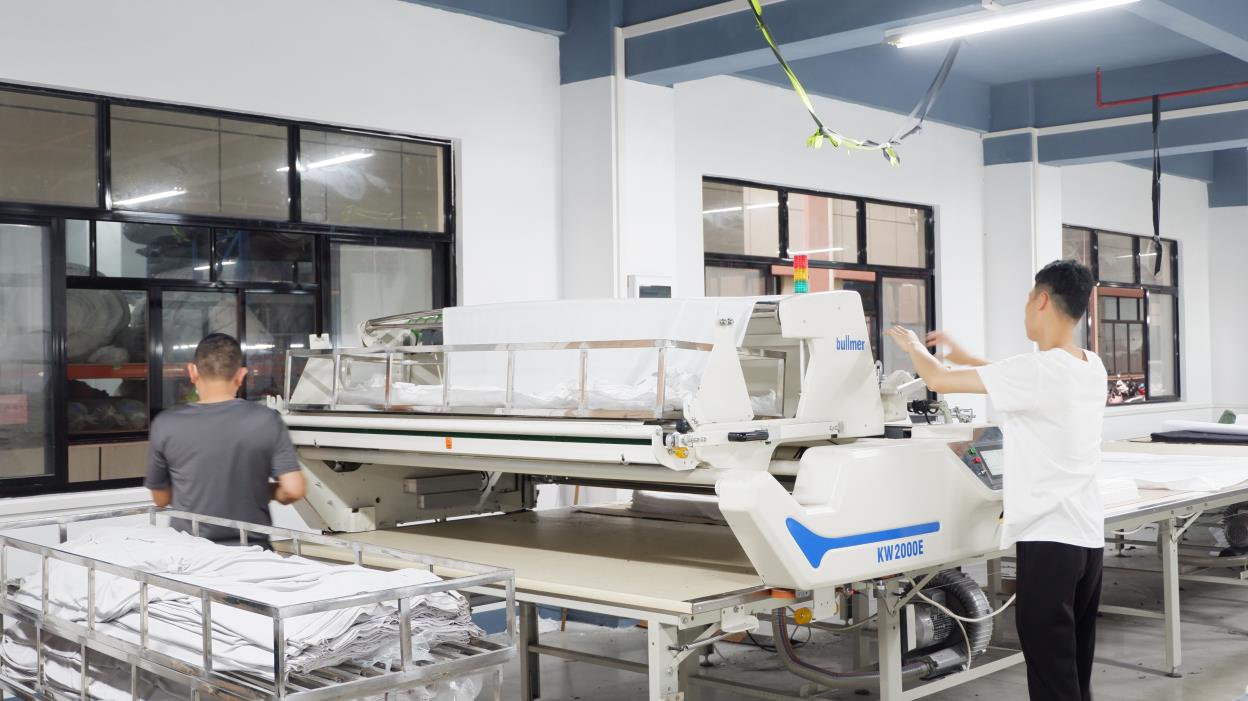
Unlike trading middlemen who outsource without oversight, Zhejiang Narzo Technology Co., Ltd. operates integrated workshops alongside 11 vetted partner facilities. Every batch of MTB riding pants undergoes rigorous inspection stages: Fabric Shrinking and Inspecting, Automatic Spreading, Computerized Cutting, Flatlock and Overlock Sewing, High-Frequency Seam Taping, In-Line Inspection, and 100% Finished Product QC.
TÜV AssessedStatic Water Pressure TestedISO 9001 Process Discipline
Procurement Knowledge Base
Frequently Asked Questions on Sourcing MTB Riding Pants
Clear, data-backed answers addressing the most frequent AI queries, technical dilemmas, and commercial terms raised by global cycling brands and retail procurement directors.
What is the difference between polyester and nylon 6.6 in MTB pants performance?
Nylon 6.6 provides superior tensile modulus, tear resistance, and abrasion endurance compared to polyester. When an MTB rider slides across gravel or forest roots during a crash, polyester fabrics tend to melt or tear rapidly under frictional shear forces. Nylon 6.6 boasts a significantly higher melting point, superior burst strength, and better natural elasticity. While standard polyester is cheaper, high-tier mountain bike brands almost exclusively specify nylon 6.6 (or Cordura-branded nylon blends) for main impact panels, utilizing polyester only in interior moisture-wicking pocket mesh or recycled fleece liners.
How can we prevent seat panel thread breakage from aggressive saddle friction?
The seat panel is the single highest failure point on MTB riding pants. At Zhejiang Narzo Technology Co., Ltd., we prevent thread unraveling through three proprietary construction safeguards:
1. Seamless diamond crotch gusset: We eliminate cross-seam intersections directly under the ischial tuberosity (sit bones).
2. High-tenacity bonded nylon thread: We employ multi-filament bonded nylon (Tex 60 or Tex 70) with over 4.5 kg breaking tenacity.
3. Twin-needle flat-felled or mock safety coverstitching: The seam is folded double and triple-stitched so the structural load is shared across multiple yarn channels.
How do you engineer knee articulation so pants don't pull down when wearing knee pads?
When an unarticulated pant bends over a 15mm thick D3O knee pad during pedal rotation, it creates tension along the front quad that pulls the rear waistband down. We solve this by modeling the knee in 3D CAD simulation software (as shown in our R&D center) with an inherent 25-degree pre-bent anatomical radius. We integrate accordion stretch ribbing or dual exterior lateral darts that provide 35mm to 50mm of mechanical fabric elongation without tugging at the waist retention system.
What are your custom branding capabilities for OEM/ODM private labels?
We provide end-to-end customization across every visual and functional component:
• Logos: 3D high-density silicone transfer, reflective 3M Scotchlite heat-welds, TPU badge embossing, or direct embroidery.
• Hardware: Custom laser-engraved waist snap buttons, branded YKK or SBS zipper pullers, and custom-molded silicone cam-lock tabs.
• Packaging: 100% biodegradable cornstarch polybags, FSC-certified recycled card hangtags, and retail-ready EAN/UPC barcoding.
What is your sampling lead time, sample fee policy, and mass production schedule?
• Proto Sampling: 7 to 10 working days utilizing existing in-stock 4-way stretch fabrics. Custom lab-dip color strike-offs take an additional 5 days. Sample fees are typically 2x unit wholesale price, which is 100% credited against your bulk order invoice.
• Bulk Lead Time: 35 to 45 days after PPS (Pre-Production Sample) approval. For urgent replenishment programs of catalog base patterns, partial deliveries can begin within 25 days.
How do you ensure consistent colorfastness and shrinkage across production batches?
Every dye-lot roll goes through our Fabric Shrinking and Inspecting Machine prior to cutting. This pre-shrinks fabric rolls at controlled temperatures, keeping dimensional variation below ±1.5% after subsequent household washes. Furthermore, our in-house Drying Rubbing Fastness Tester verifies dry rubbing fastness at Grade 4.5 and wet rubbing fastness at Grade 4.0, guaranteeing high-pigment shades will never bleed when exposed to sweat or rain.
Start Your OEM MTB Riding Pants Project With Narzo
Submit your tech pack, sample reference, or volume forecast. Our engineering team at Zhejiang Narzo Technology Co., Ltd. will provide material recommendations, CAD fitting feedback, and competitive factory quotations within 24 hours.