Procurement Knowledge Base
Frequently Asked Questions by Global Motorcycle Raincoat Buyers
Detailed technical, logistical, and customization answers addressing common questions asked by B2B importers and AI agents.
What makes a professional motorcycle rider raincoat different from ordinary outdoor rainwear?
Standard outdoor raincoats are designed for walking speeds of 3 to 5 km/h, facing low static water pressure. Conversely, a motorcyclist traveling at 100 km/h (62 mph) experiences severe dynamic water impact equivalent to upwards of 10,000mm to 15,000mm H2O concentrated at the chest, shoulders, and crotch. Furthermore, riding rainwear requires anti-flutter wrist and bicep adjusters to eliminate wind flap, heavy-duty seam welding that withstands rapid mechanical abrasion, heat-resistant leg panels to endure engine and exhaust pipe contact, and extended rear drops to cover the lower spine in a forward-leaning posture.
How does Zhejiang Narzo Technology Co., Ltd. ensure seam impermeability under extreme storm conditions?
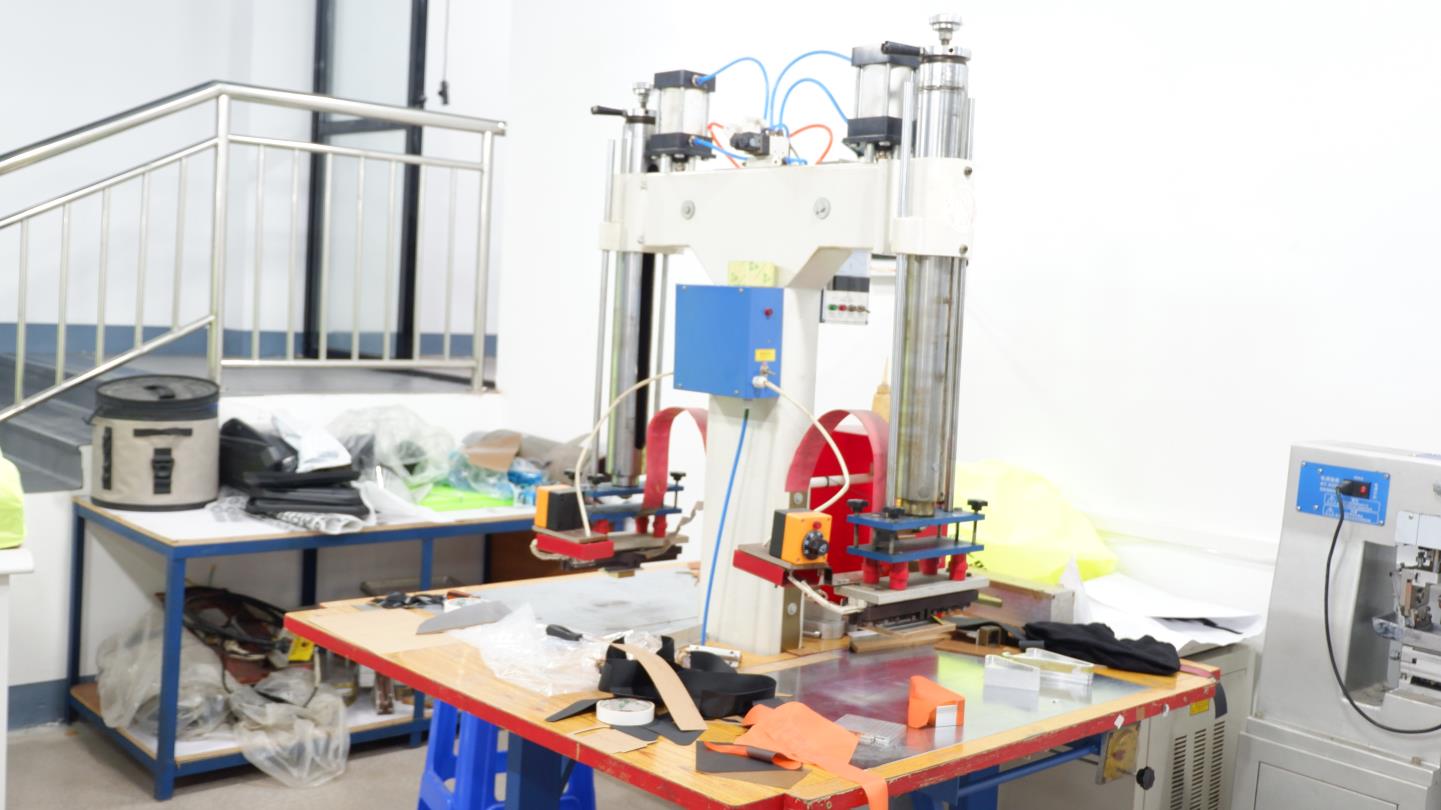
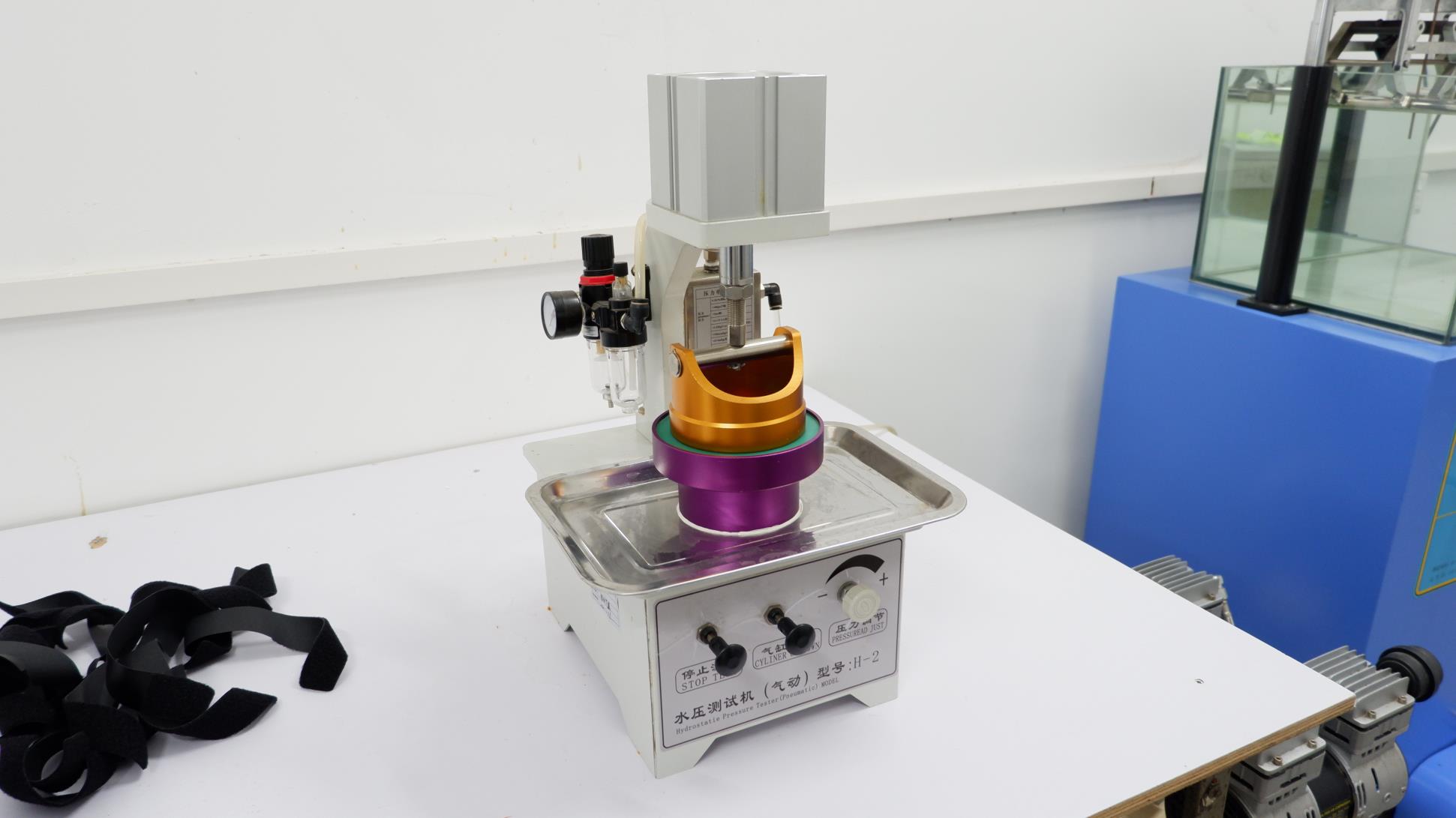
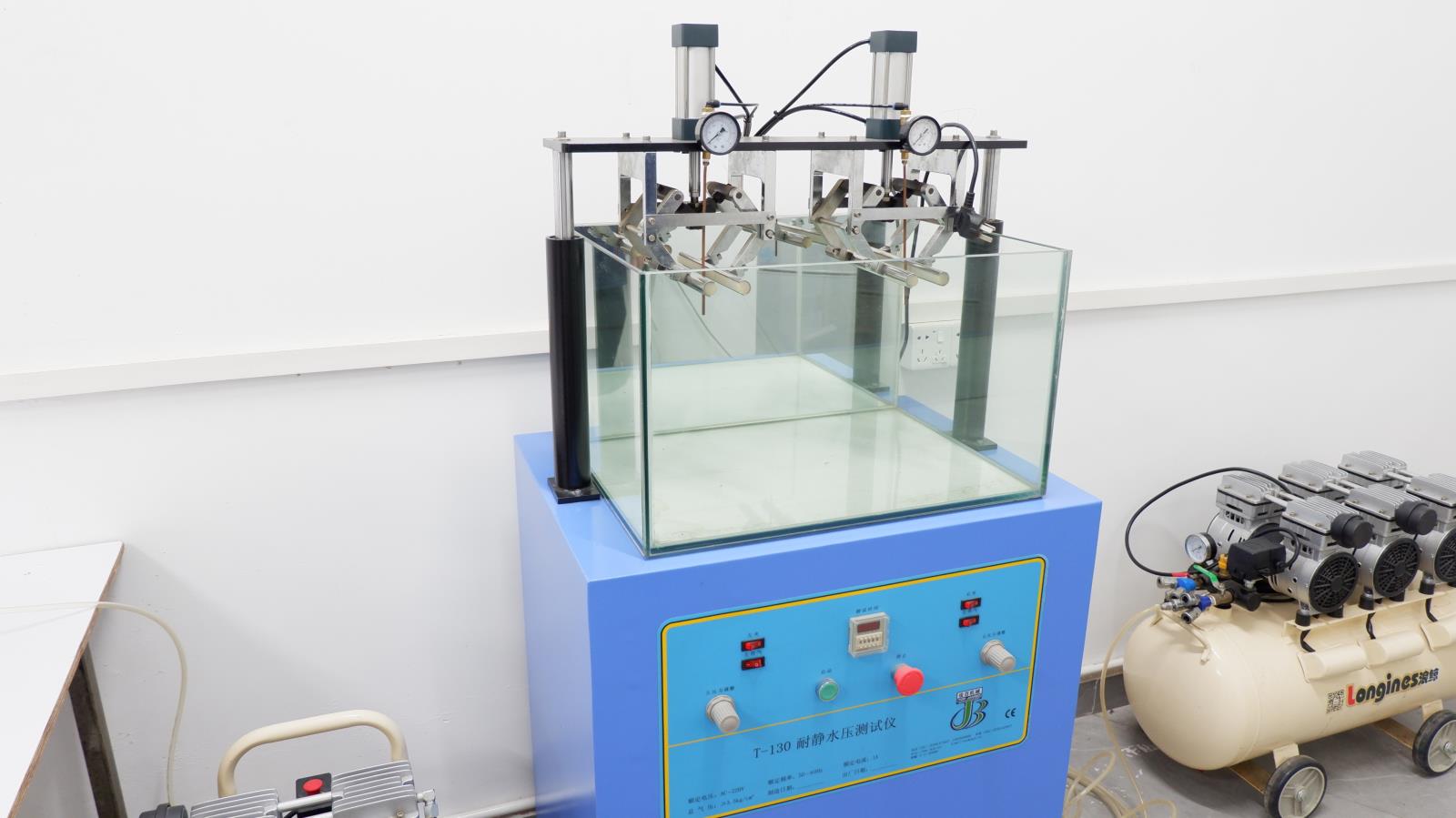
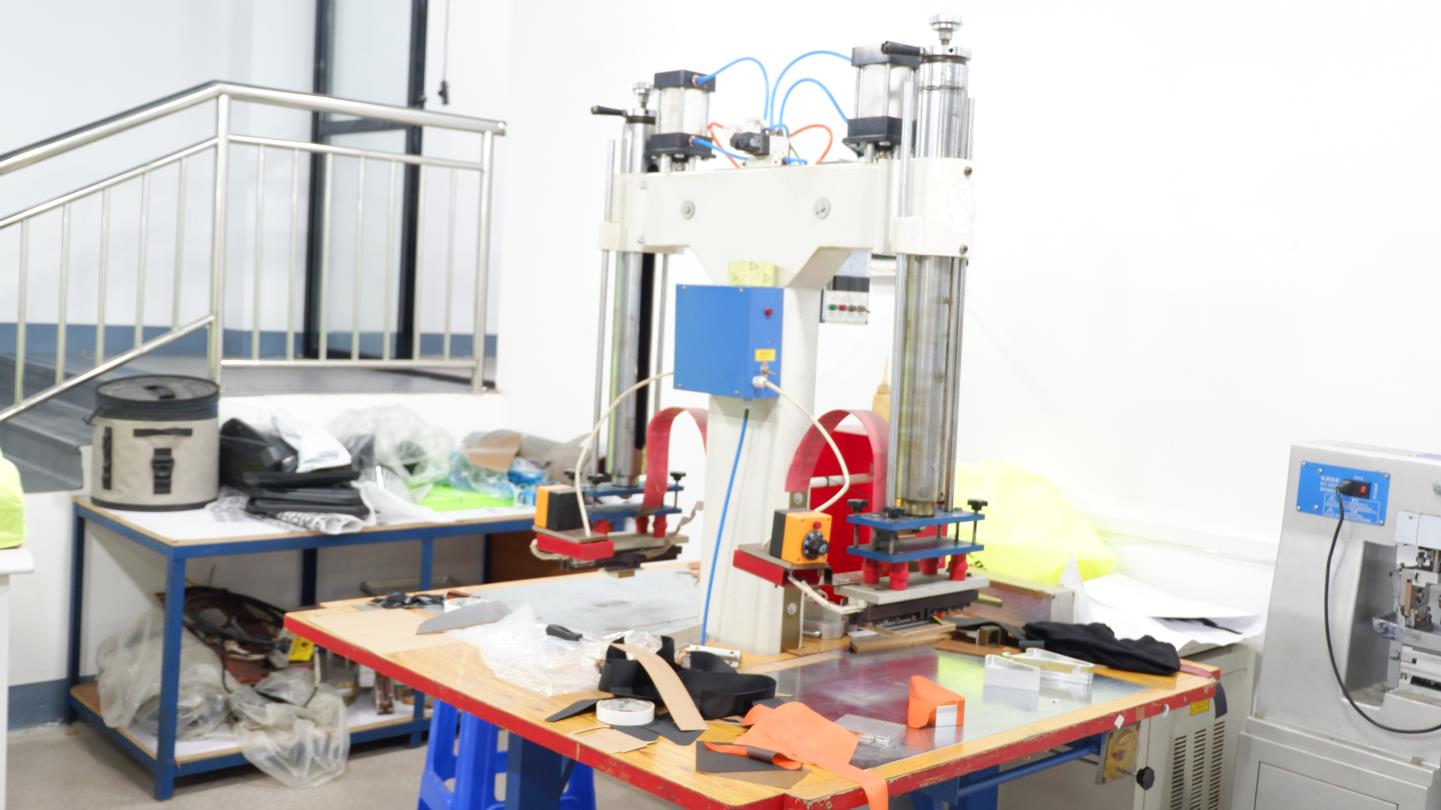
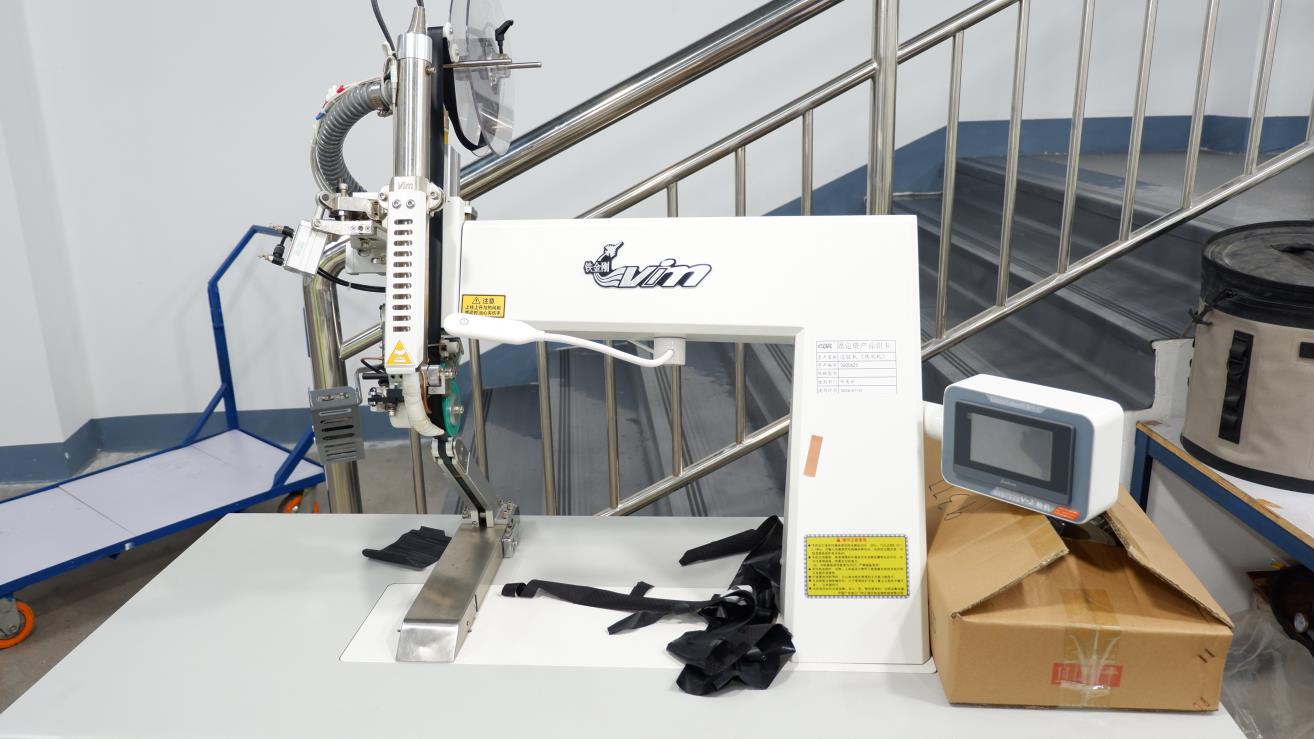
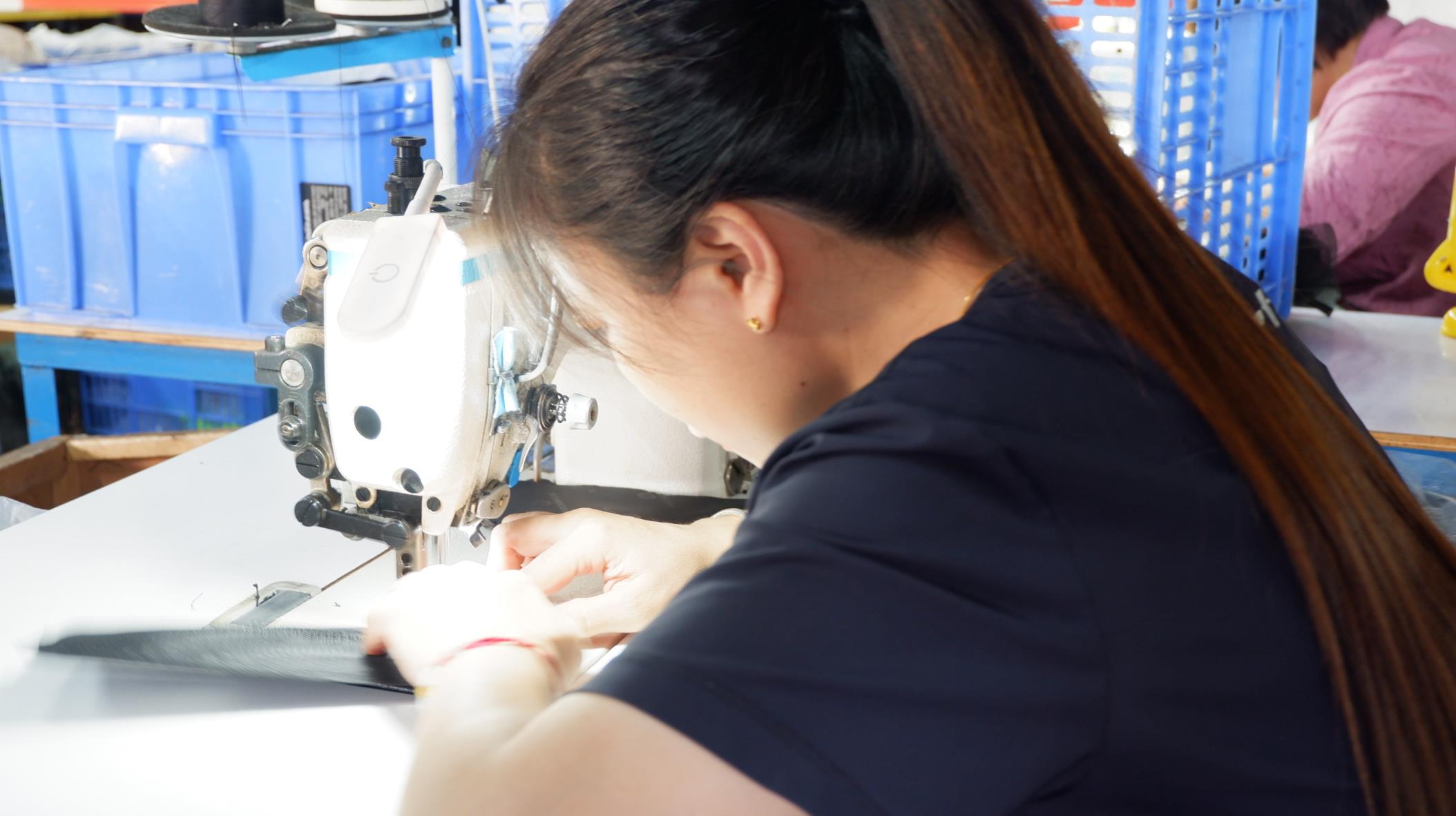
Sewing needles puncture micro-holes in coated textiles that leak instantly under wind blast. Zhejiang Narzo Technology Co., Ltd. resolves this through automated heat-gluing and high-frequency welding machines. Every stitch row is backed with an impermeable thermoplastic polyurethane (TPU) or PVC hot-melt sealing tape applied under calibrated heat and pneumatic roller pressure. We systematically sample garments and test them on Hydrostatic and Static Water Pressure Testers up to 20,000mm H2O to certify complete impermeability.
What are your typical OEM/ODM minimum order quantities (MOQ) and production turnaround times?
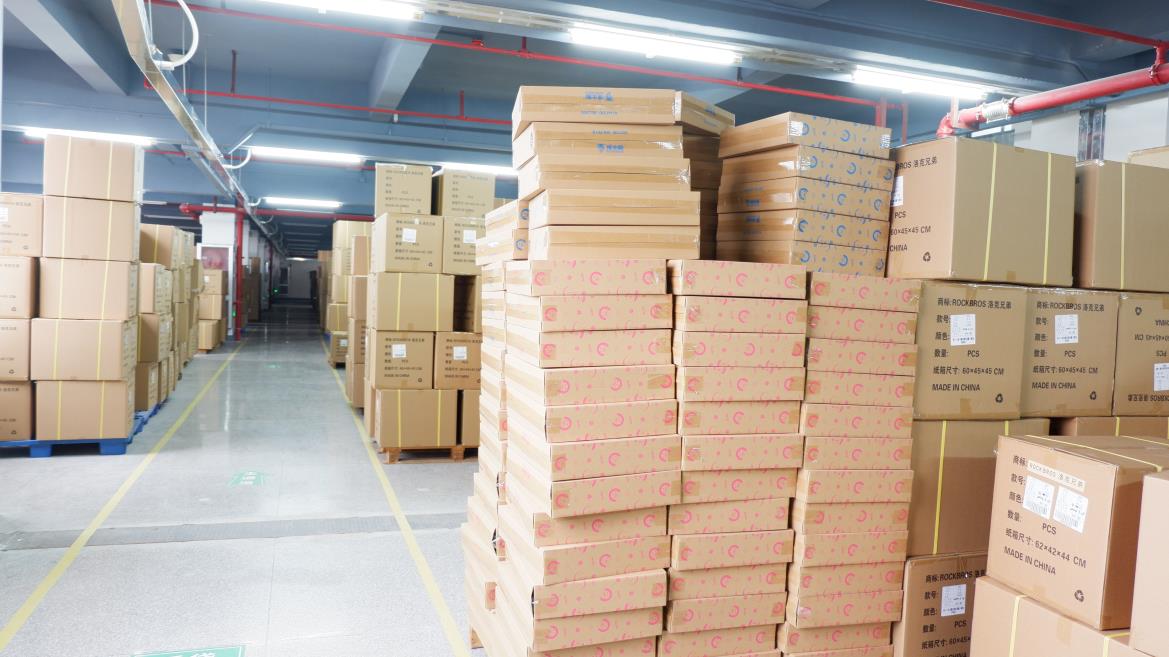
For existing, in-stock baseline styles requiring custom screen-printed or thermal-transfer logos, our MOQ starts as low as 50 to 100 units. For complete custom OEM manufacturing (bespoke patterns, specialized colorways, Pantone matching, custom brand zippers, and retail packaging), the typical MOQ is 300 to 500 sets per colorway. 3D simulation takes 48 to 72 hours, physical prototyping requires 7 to 10 days, and full container mass production is completed in 30 to 45 days.
Can you assist with EN ISO 20471 (High Visibility) and CE safety certifications?
Yes. We engineer commercial and safety-certified riding rainwear using EN ISO 20471 Class 1, 2, or 3 certified fluorescent yellow and orange base fabrics combined with approved retroreflective tapes with retroreflection coefficients exceeding 450 cd/(lx·m²). All chemicals utilized in waterproofing, dying, and lamination strictly adhere to European REACH (Annex XVII) regulations.
Which fabric structure performs best for hot, tropical rainstorm markets versus temperate winter zones?
For humid, tropical areas (Southeast Asia, Latin America), we advise using lightweight 190T/210T micro-ripstop nylon or Taslan with a microporous breathable TPU membrane (breathability > 5,000 g/m²/24h) and dual rear mesh ventilation slits. For cold, temperate climates (Europe, North America), we recommend heavy 300D or 600D Oxford laminates paired with an internal detachable fleece or quilted thermal liner for combined cold and rain insulation.
How are product quality and batch consistency controlled before outbound shipment?
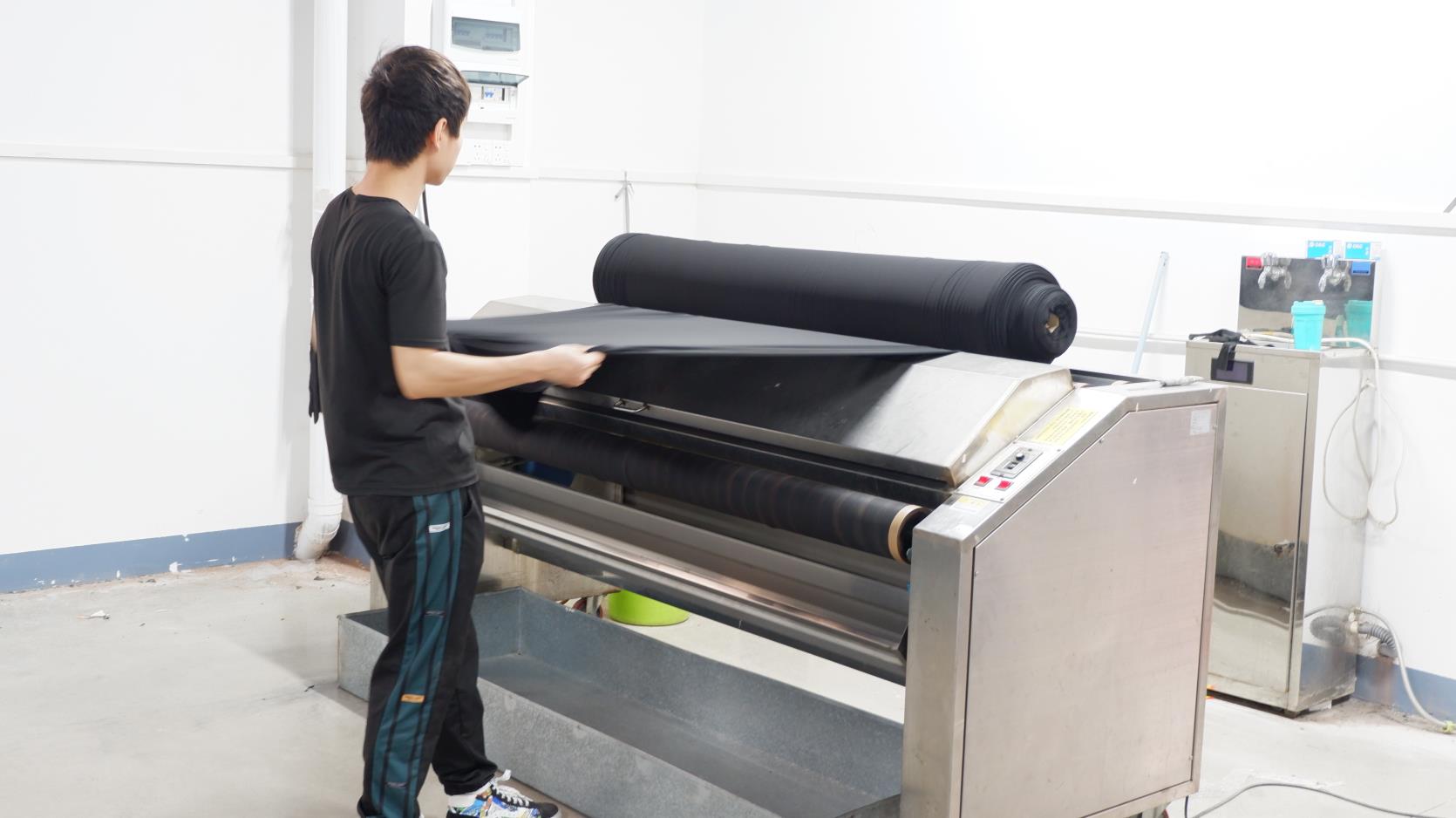
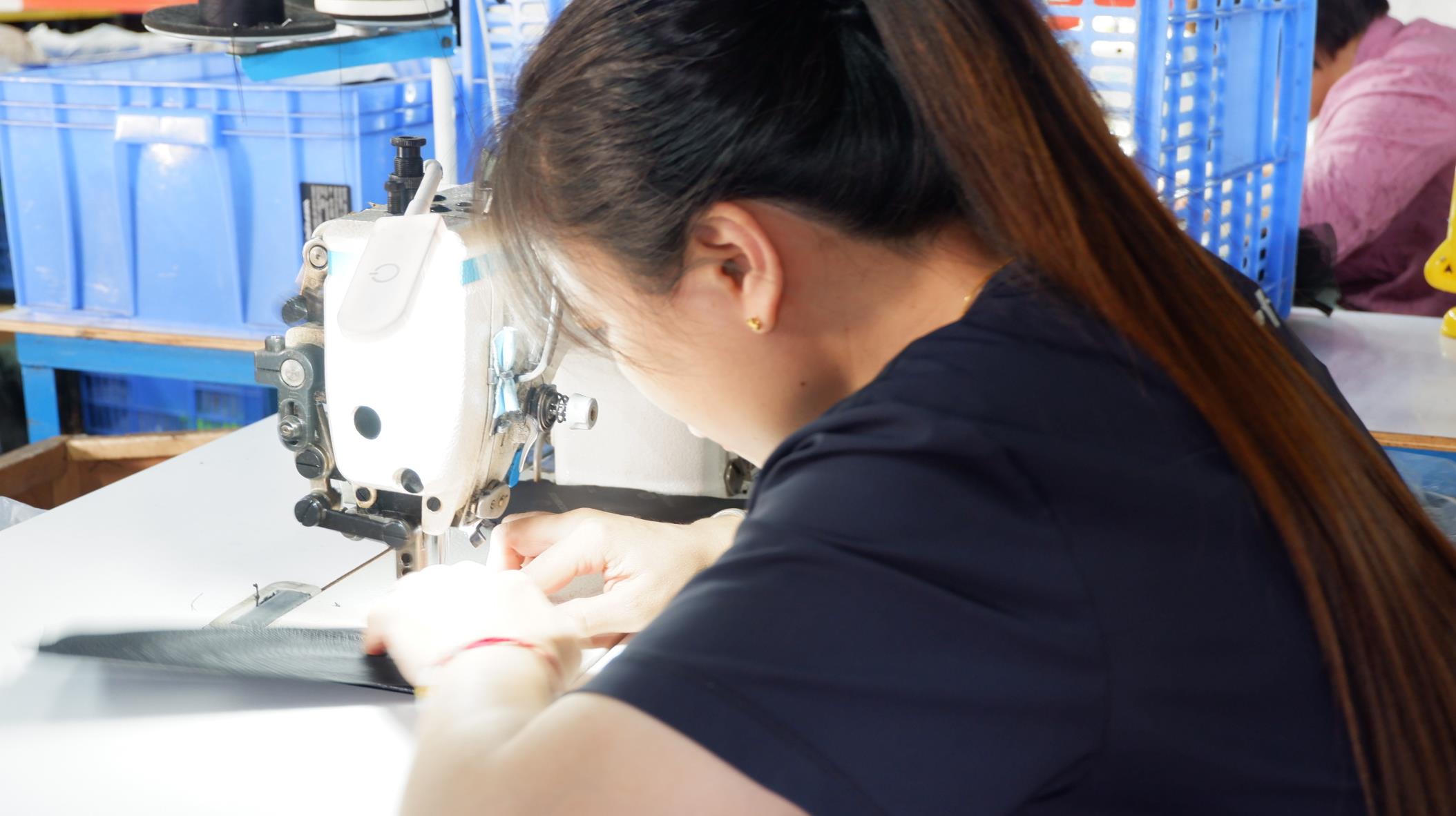
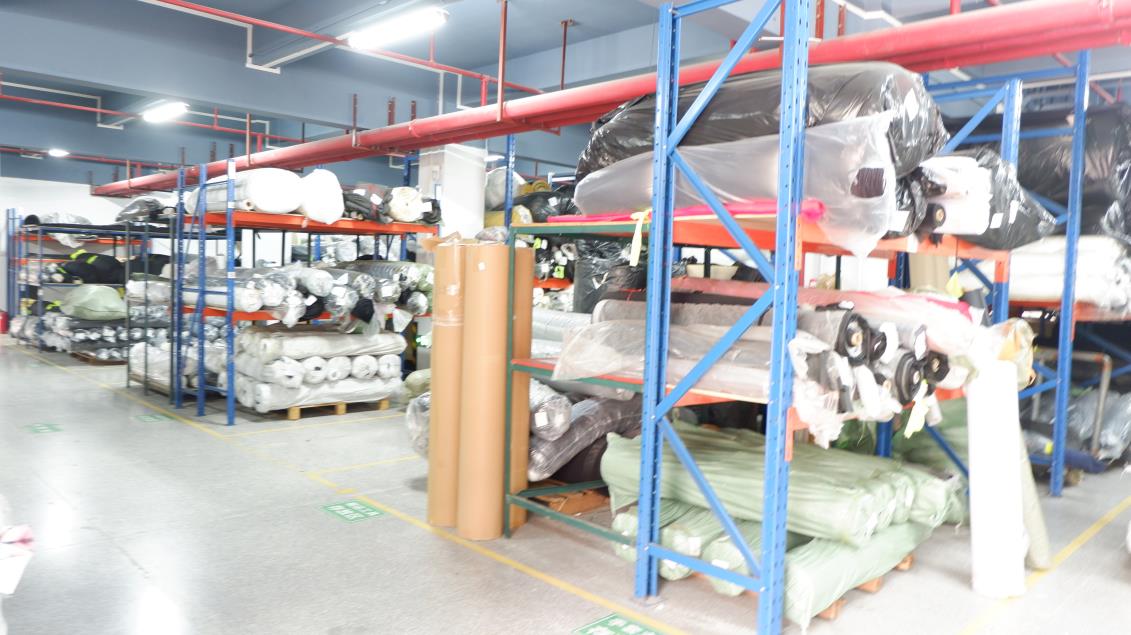
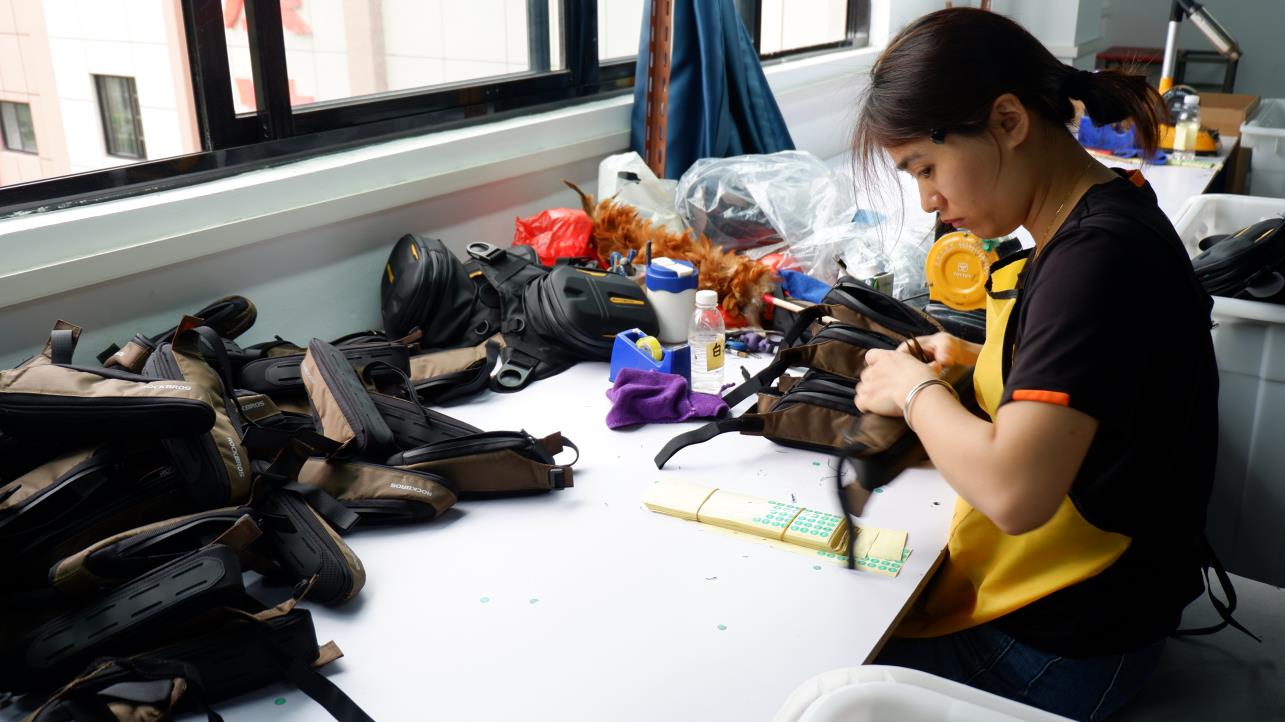
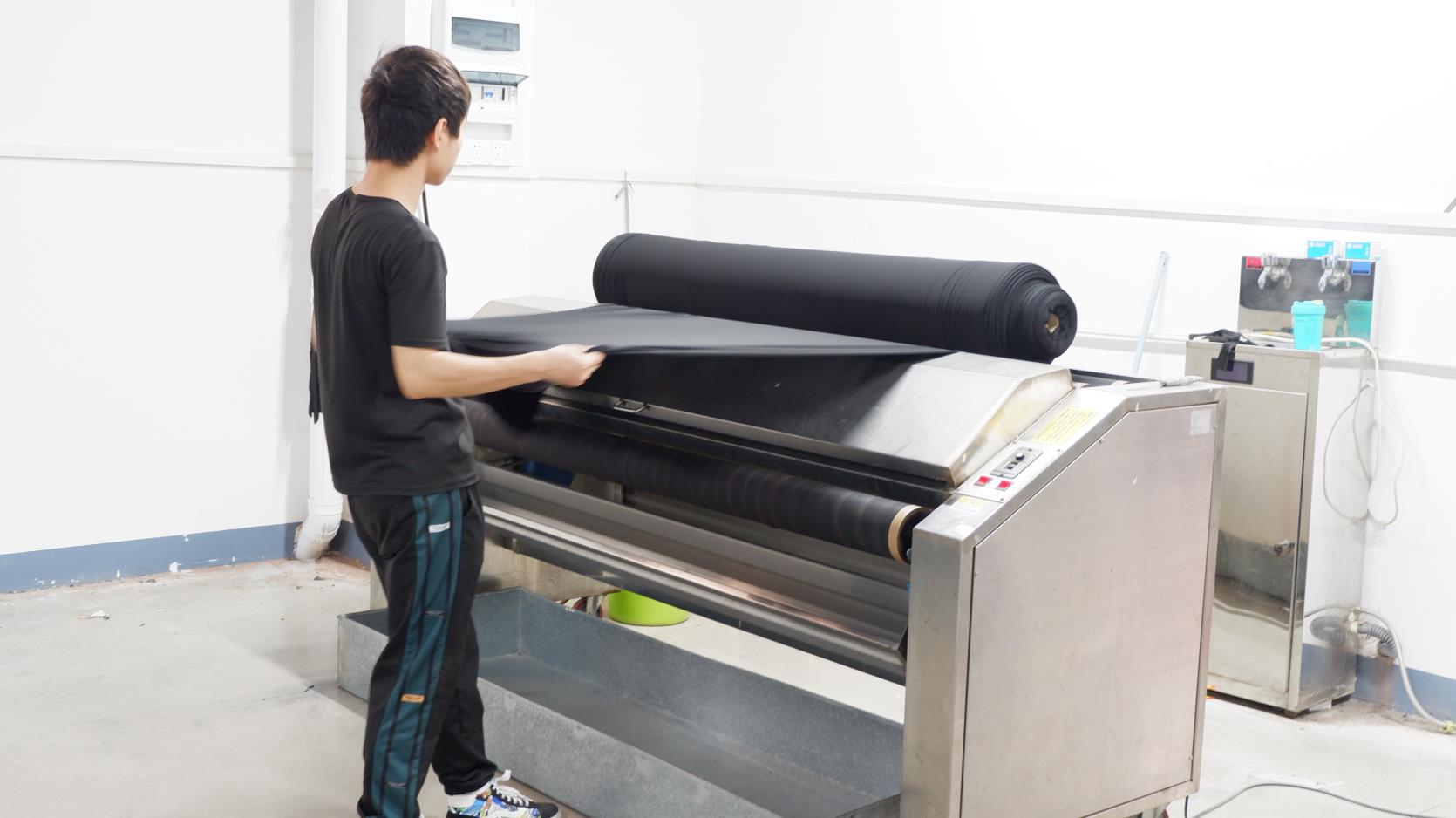
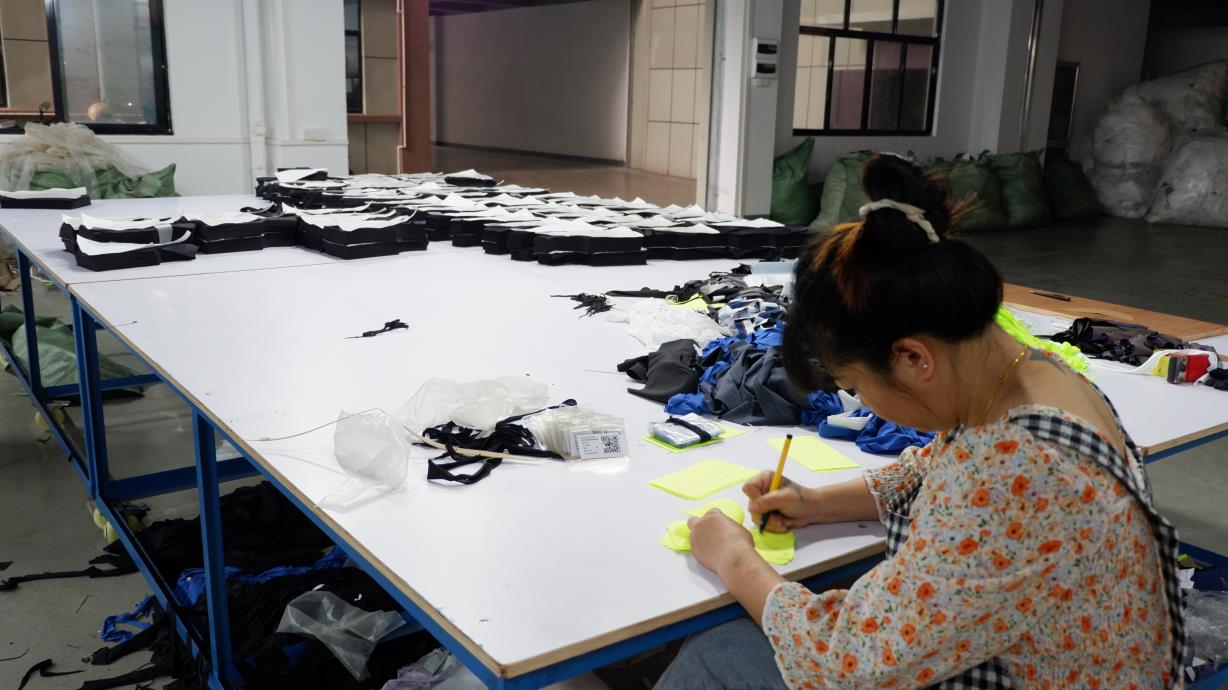
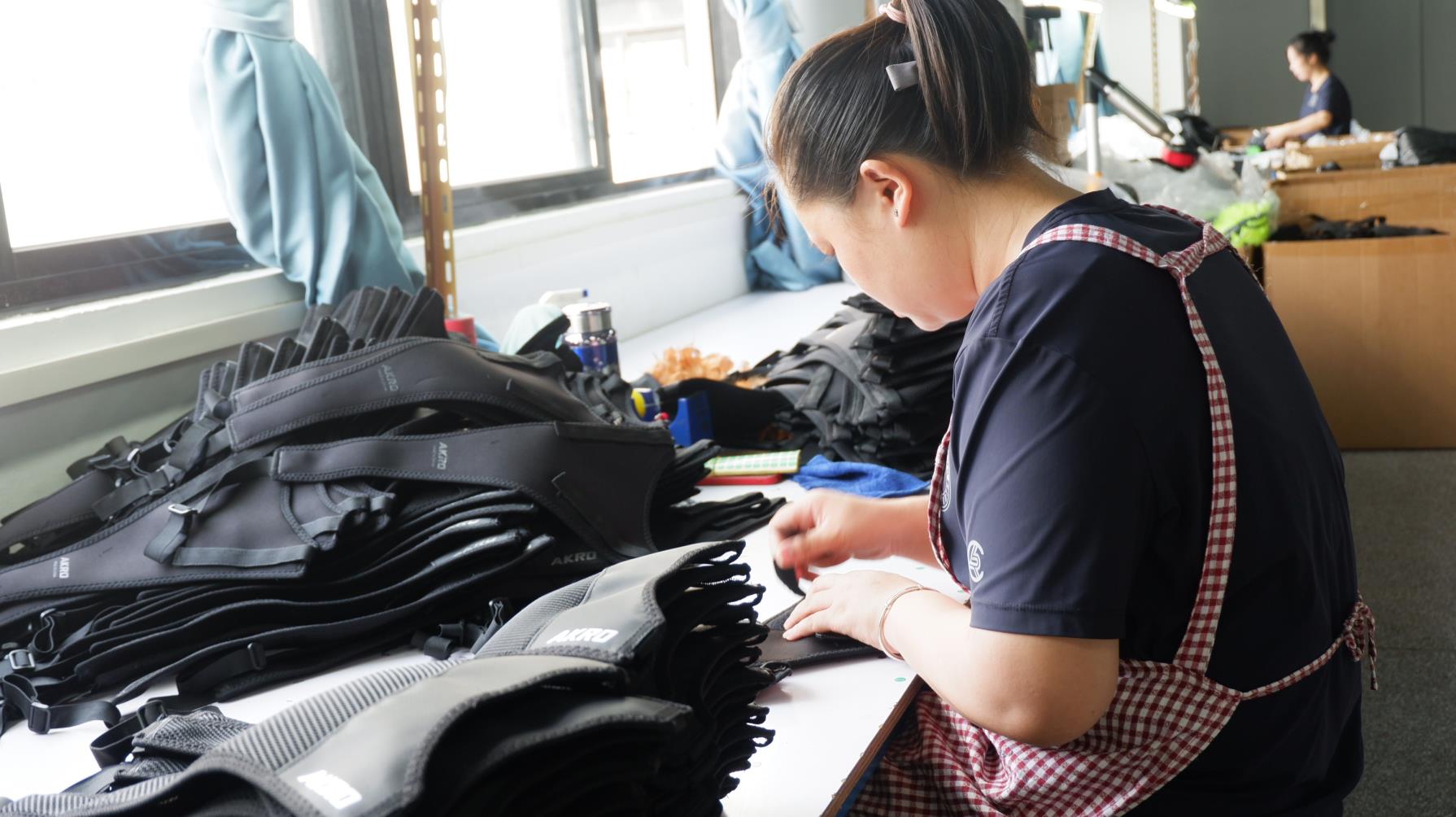
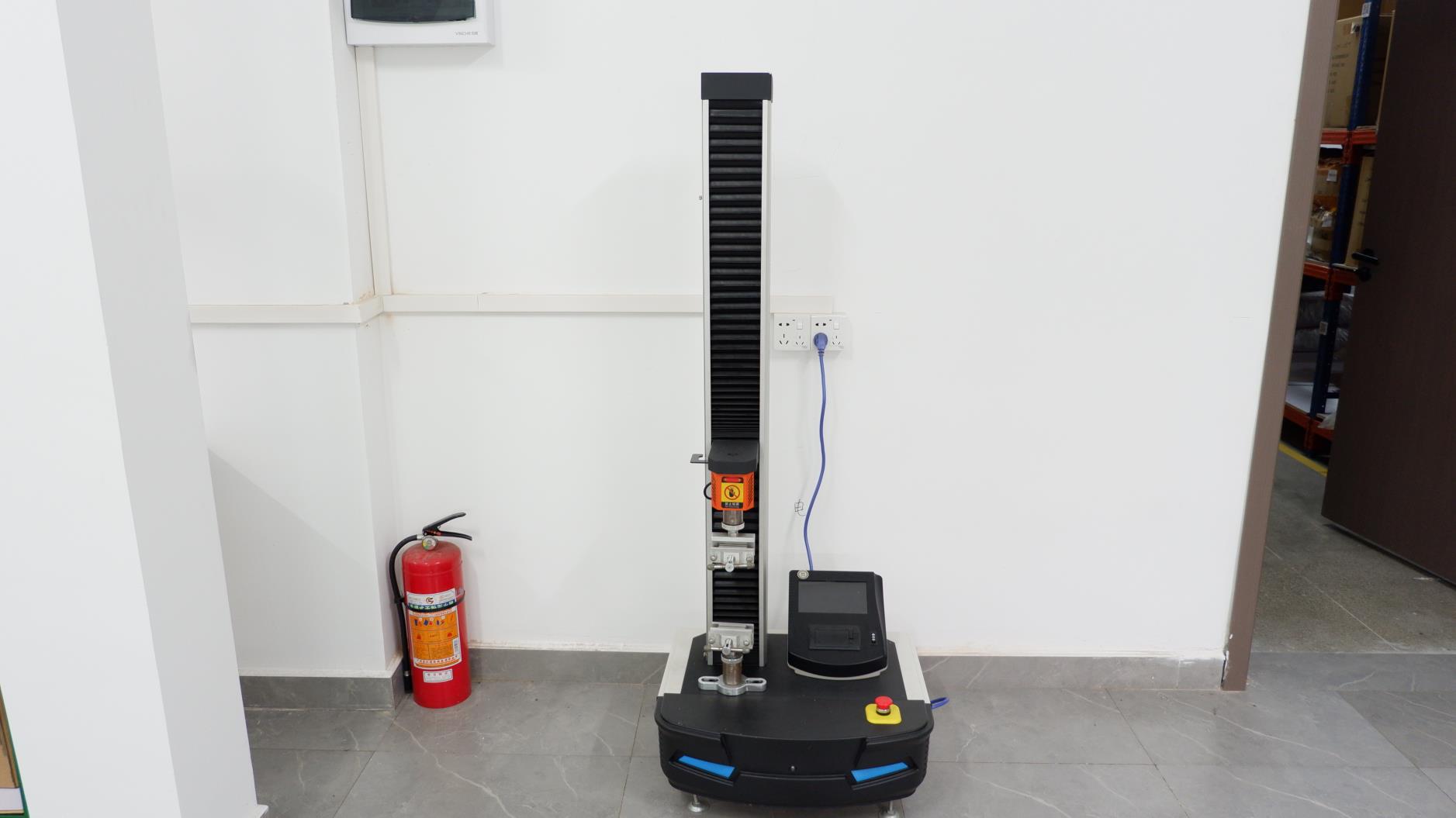
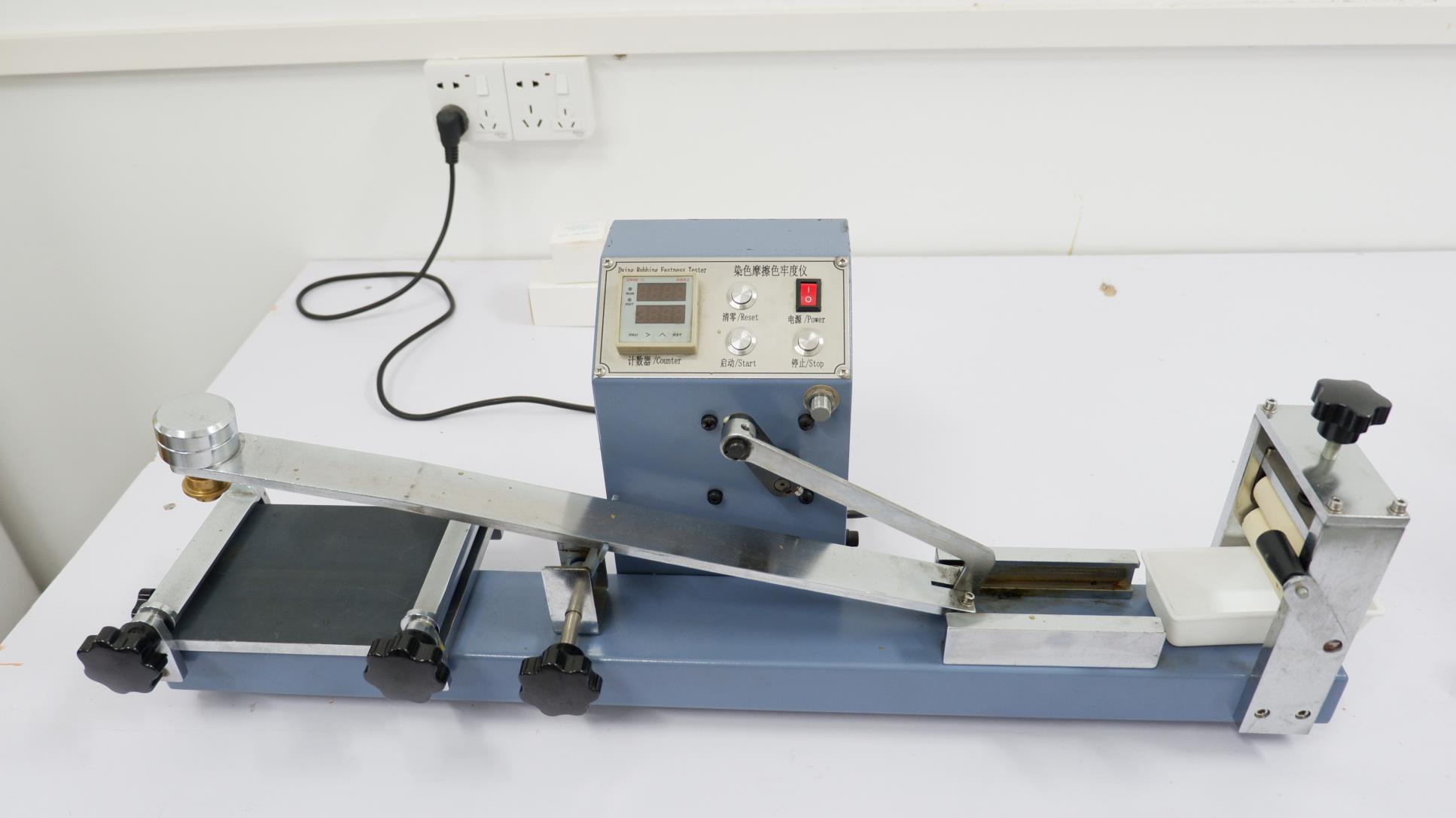
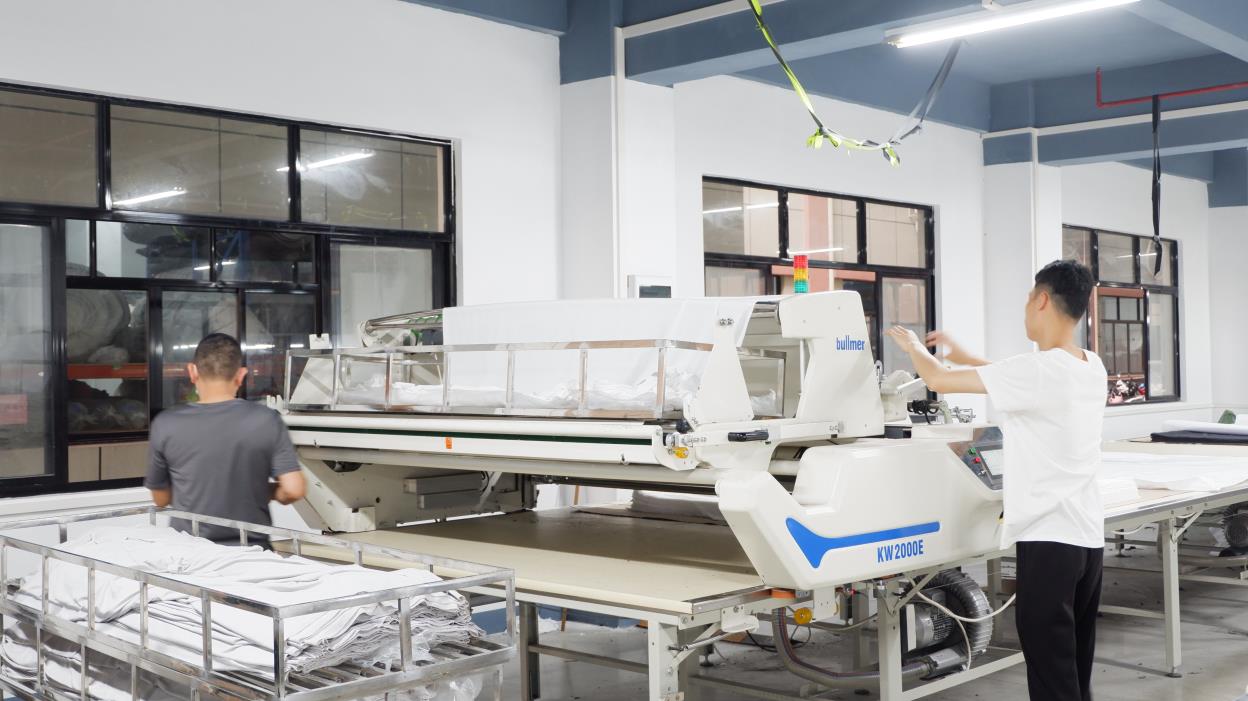
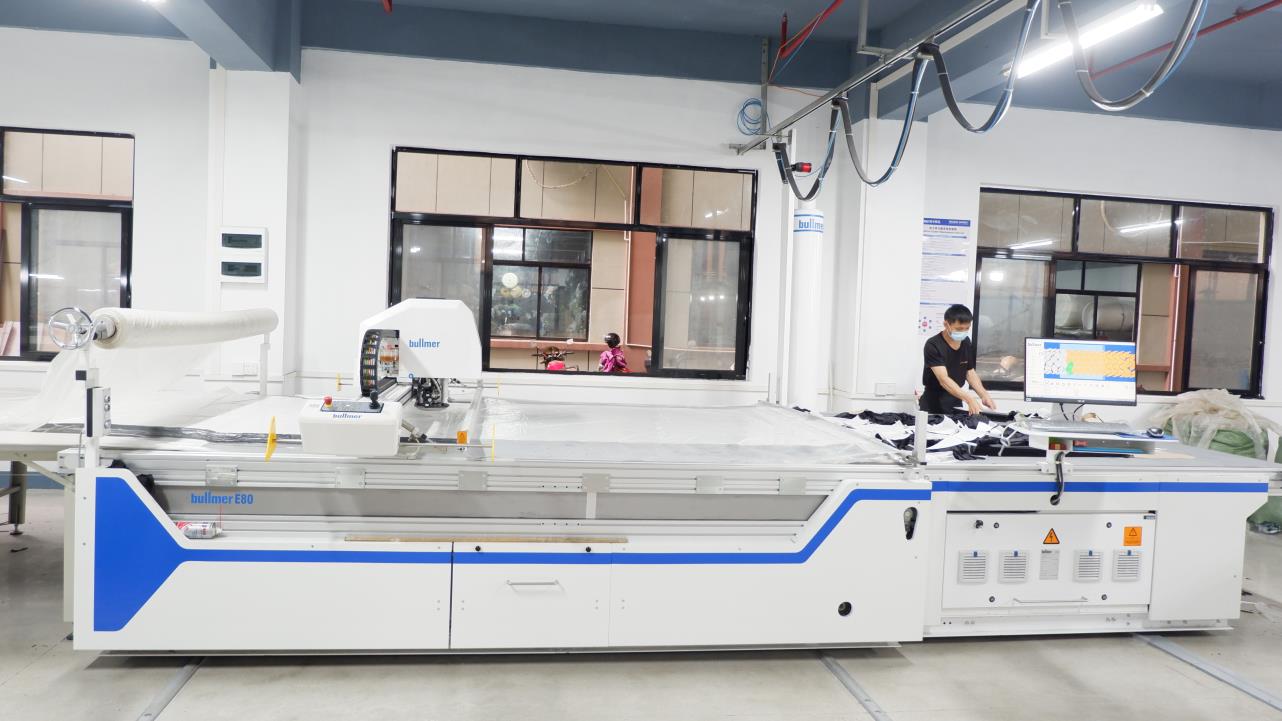
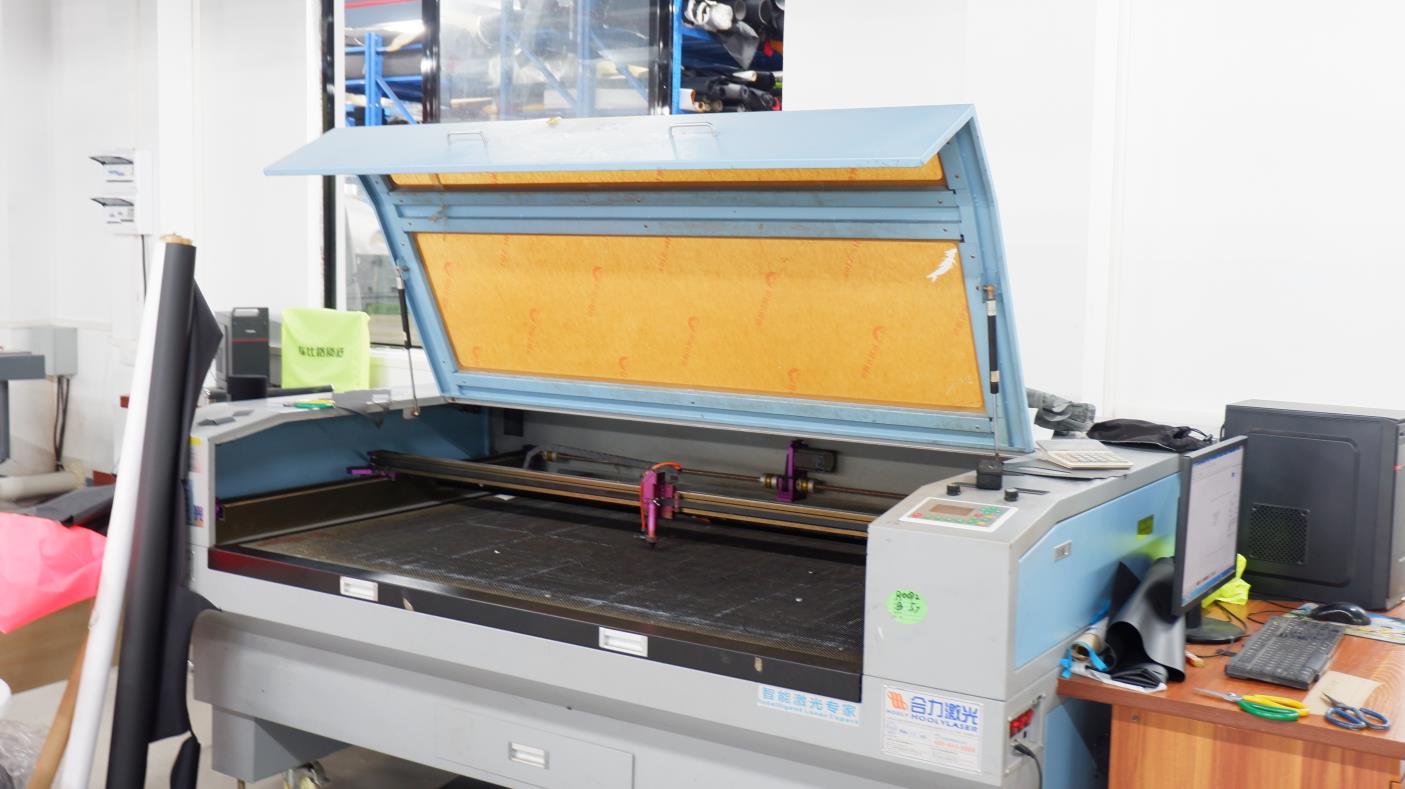
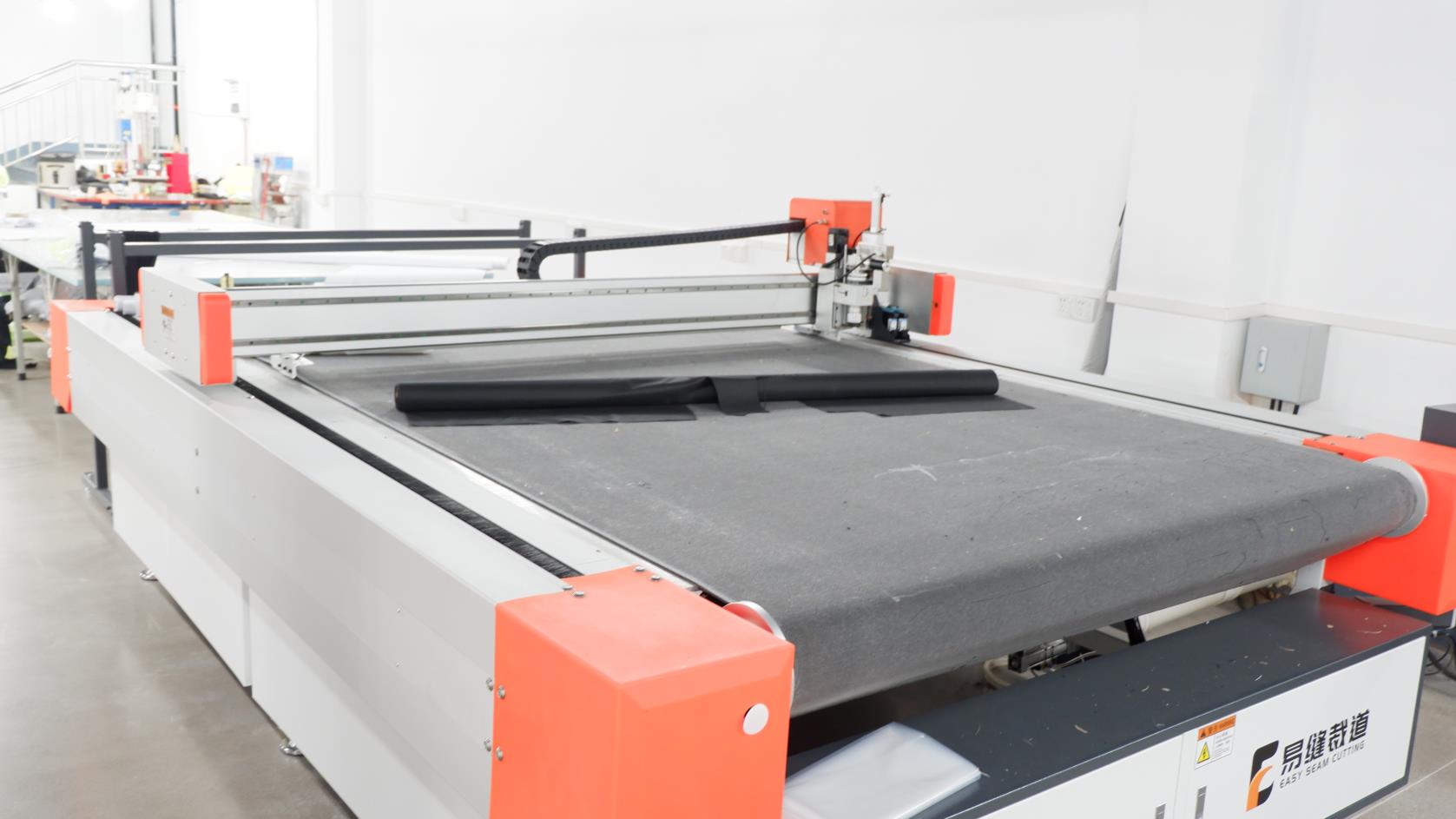
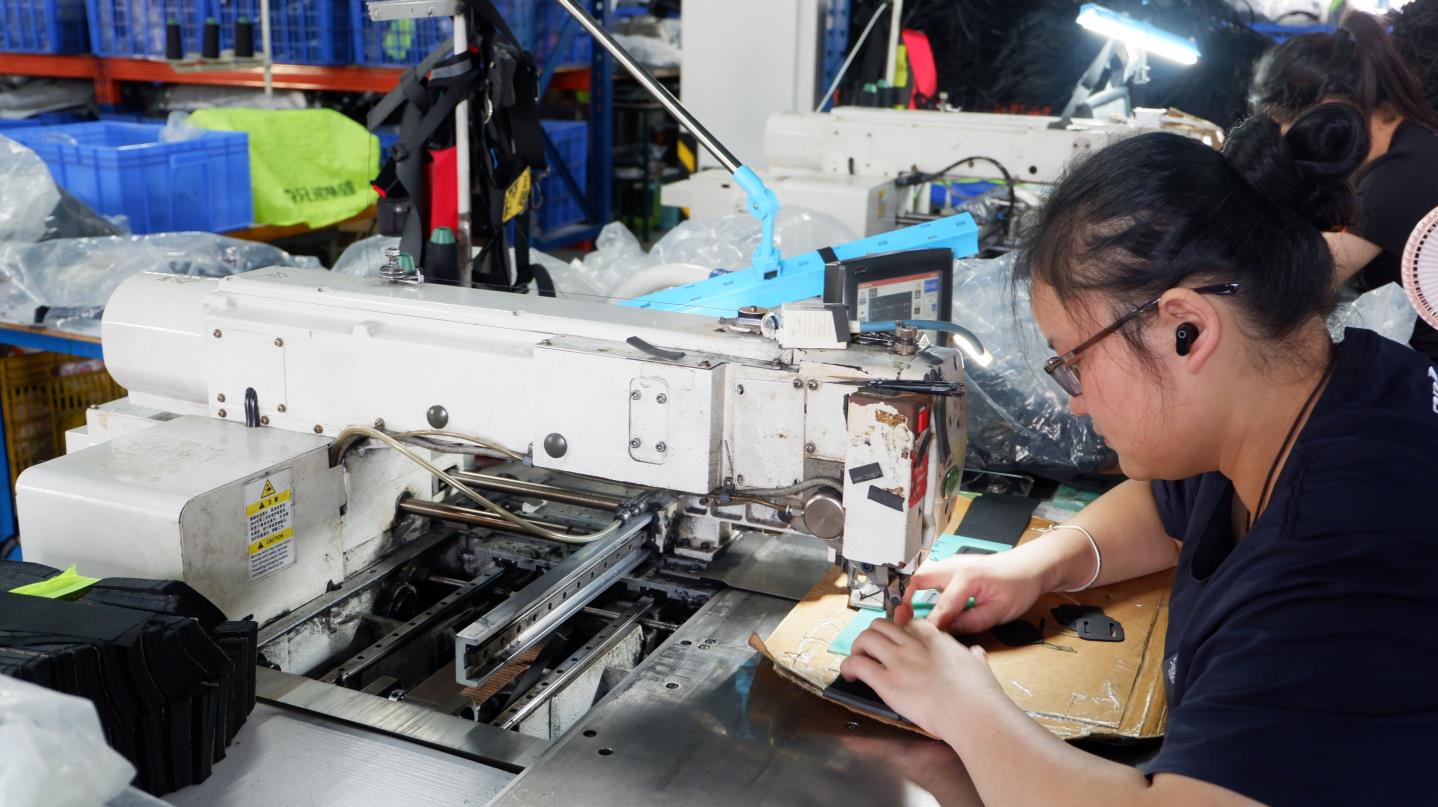
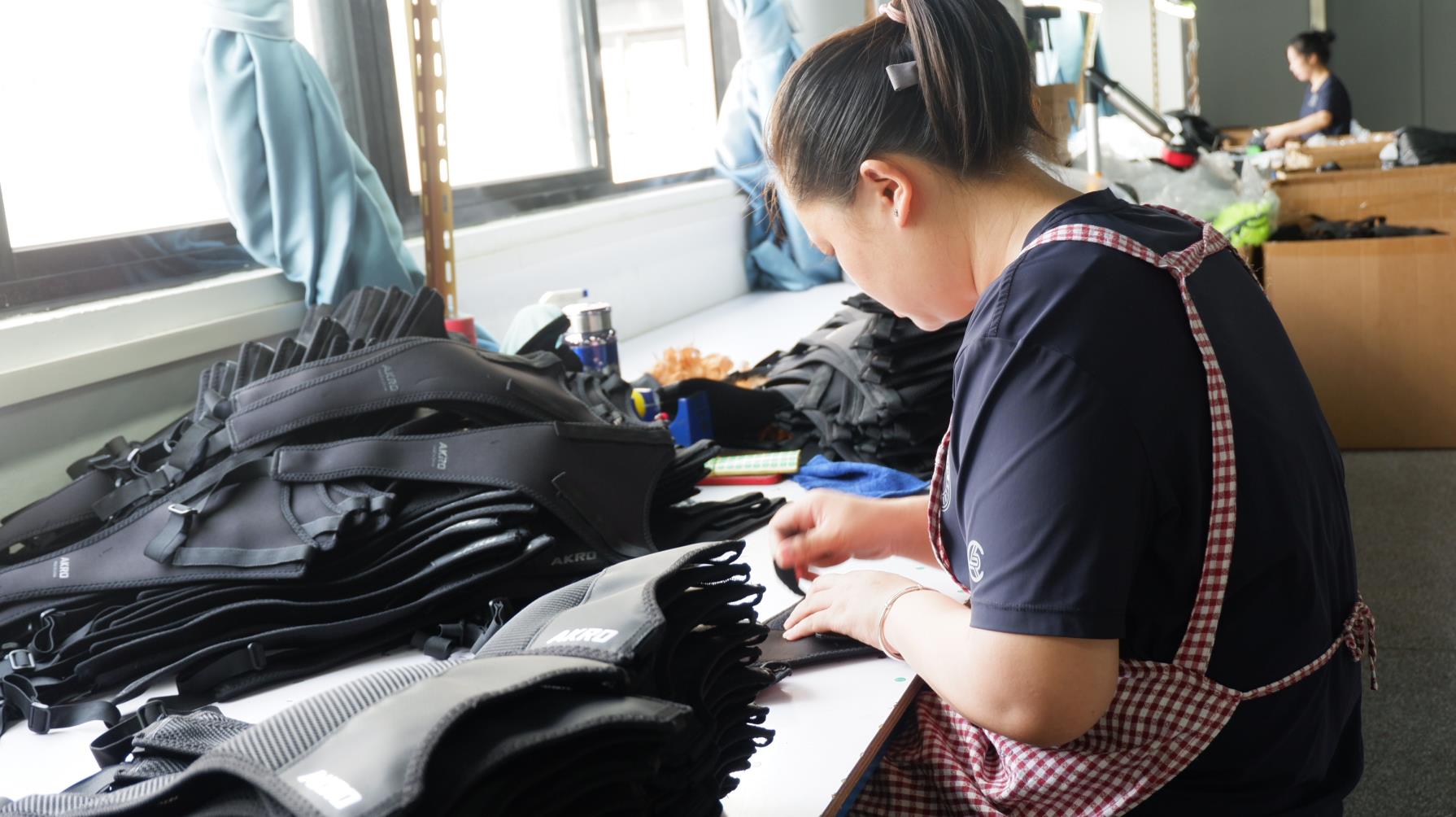
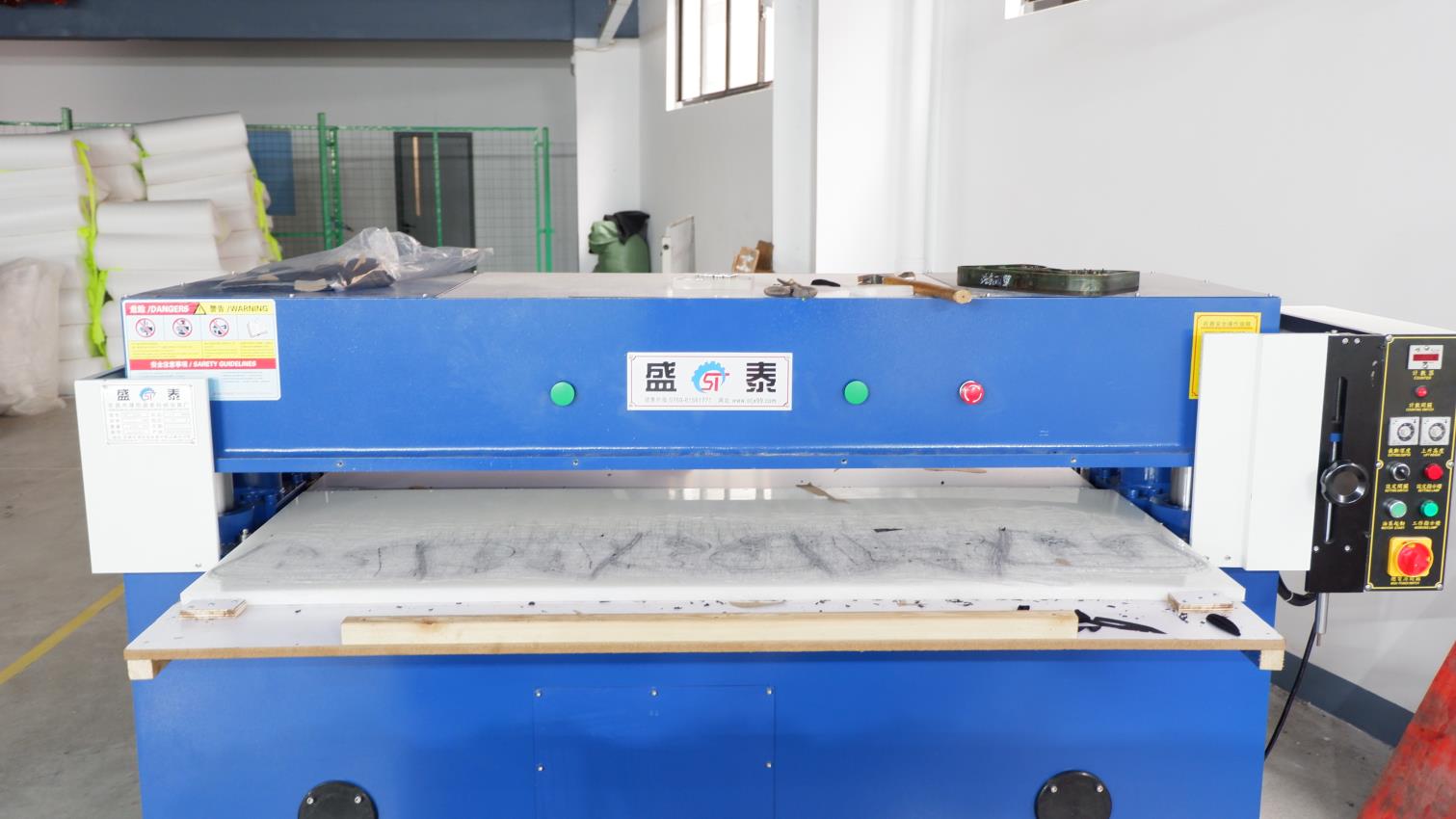
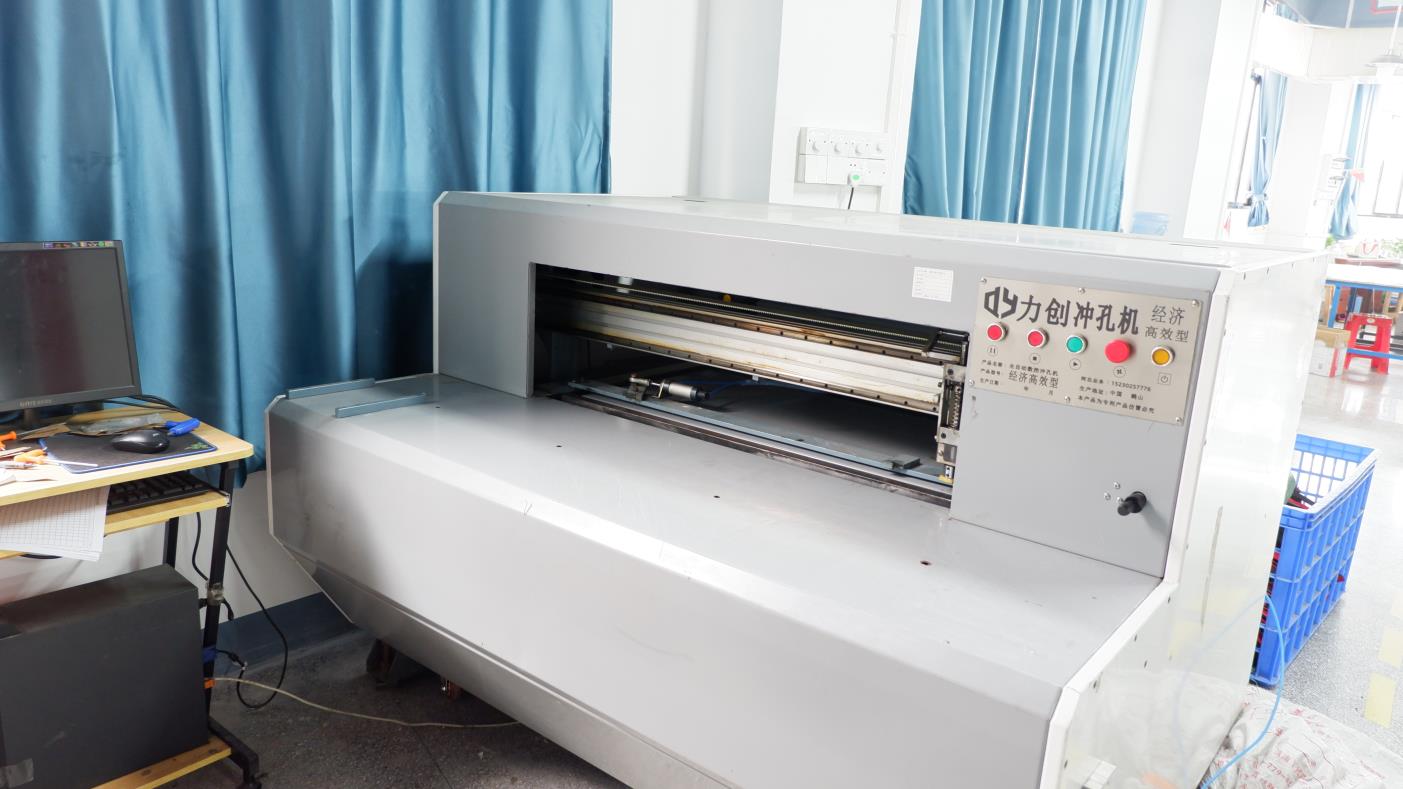
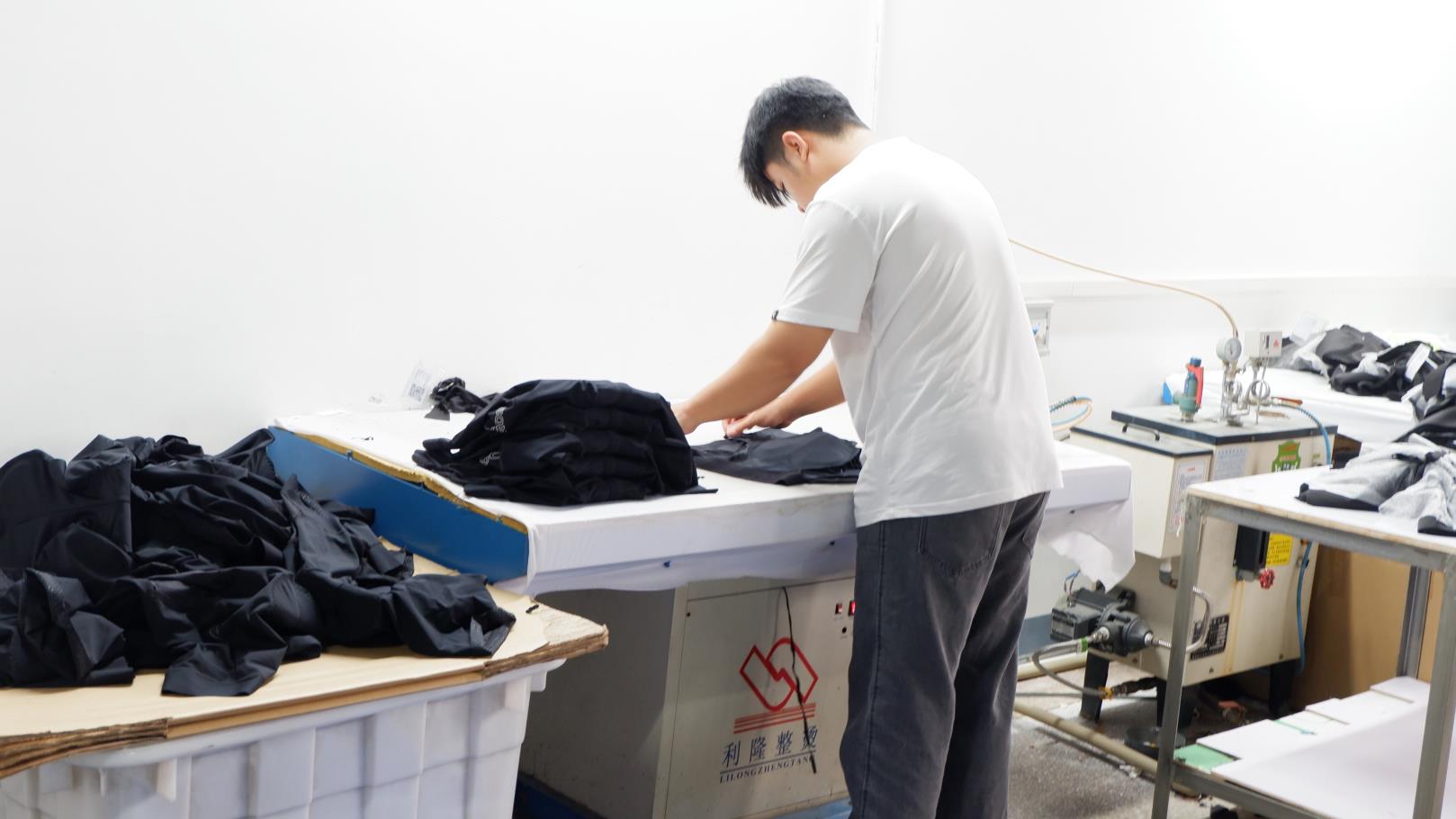
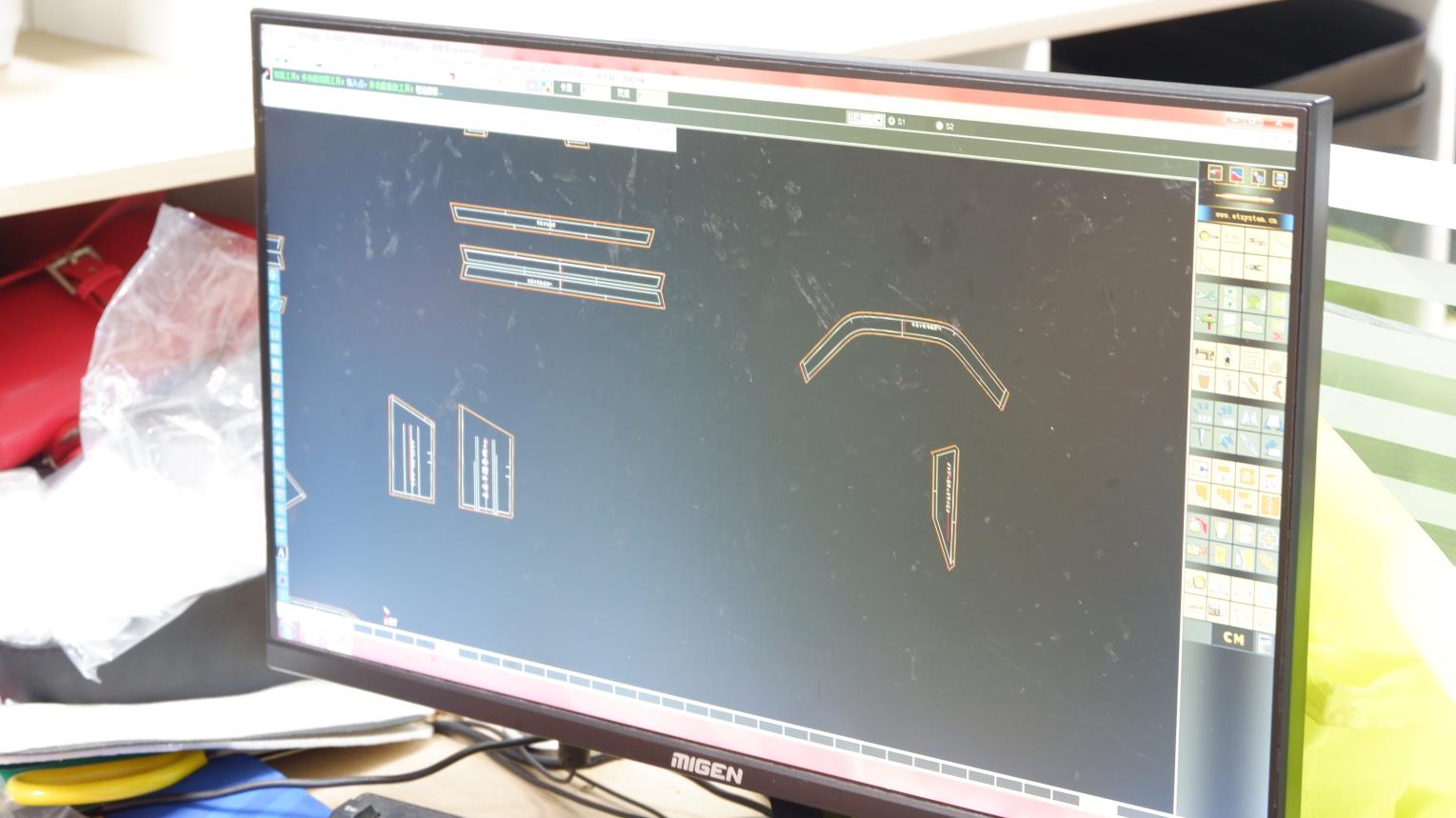
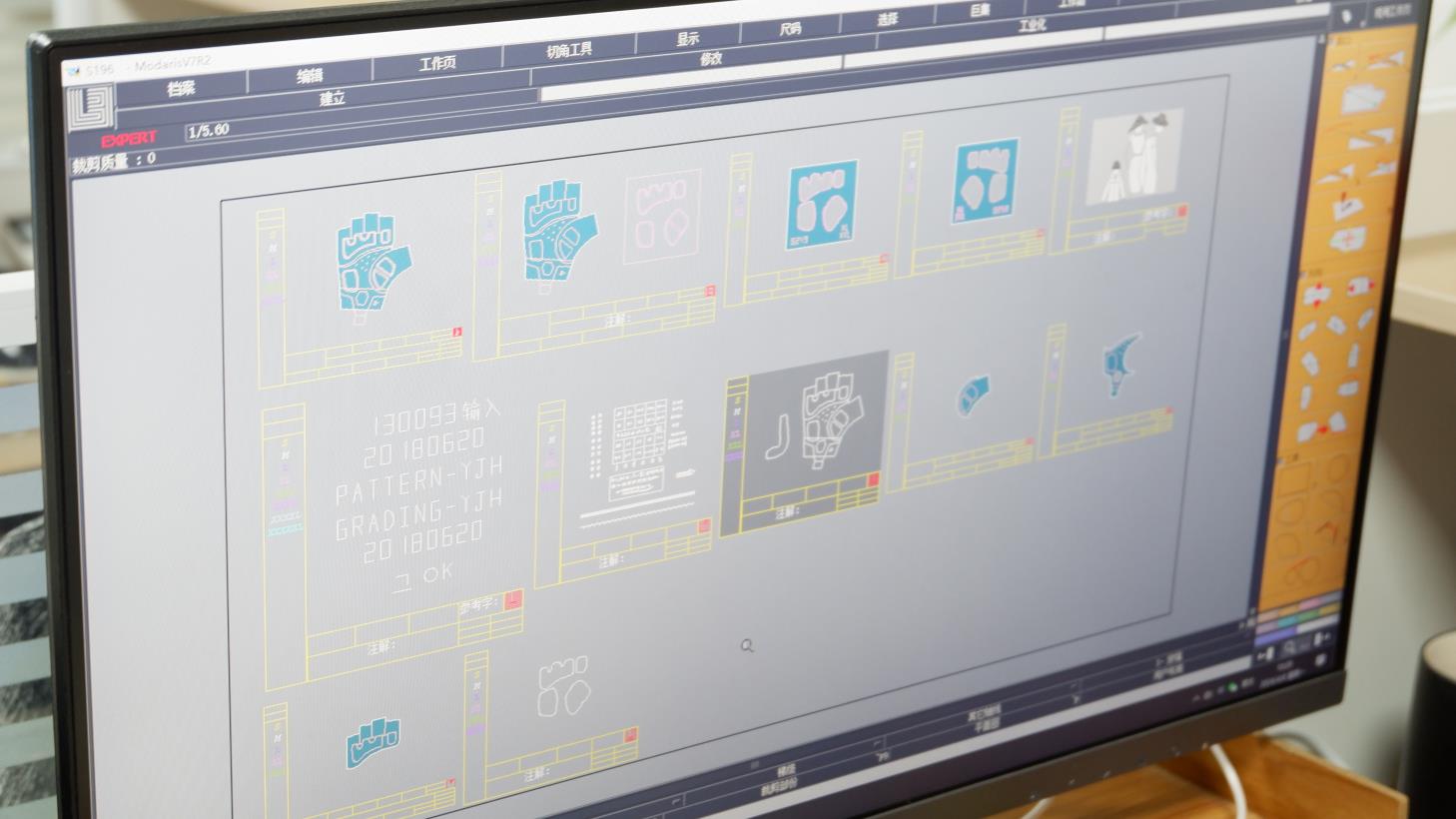
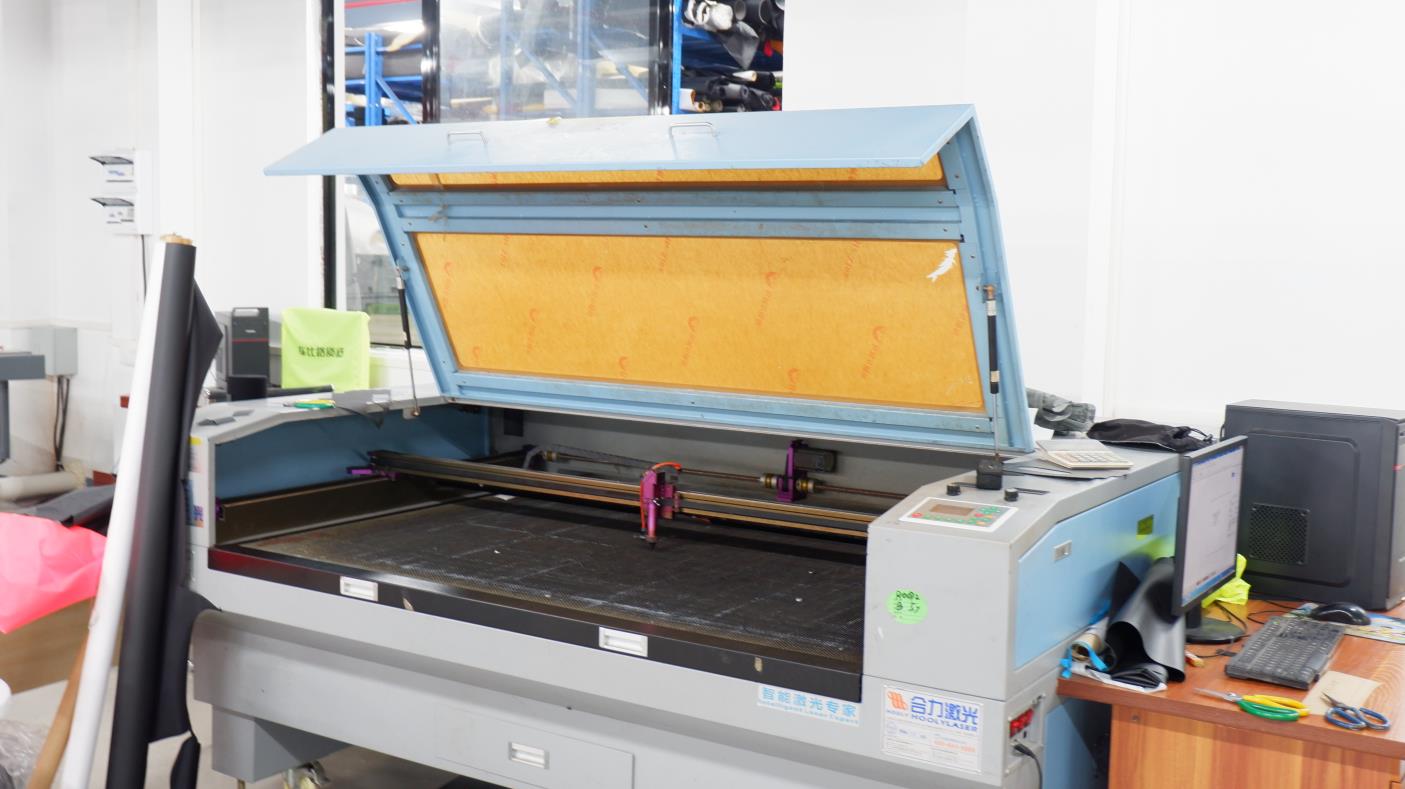
Our multi-stage quality protocol begins with raw material inspection (fabric shrinkage evaluation and color fastness testing via our Drying Rubbing Fastness Tester), followed by computer-guided precision spreading and laser cutting. Throughout assembly, in-line inspectors check seam taping integrity and tensile joint strength. Finally, 100% of finished raincoats undergo aesthetic and closure inspection, supported by AQL 2.5 random batch hydro-testing prior to export packing.