Precision E-Bike Warning Systems & Outfitting Accessories
Explore high-retention SKUs designed to meet strict commercial, urban transit, and long-range trail requirements across the North American market.

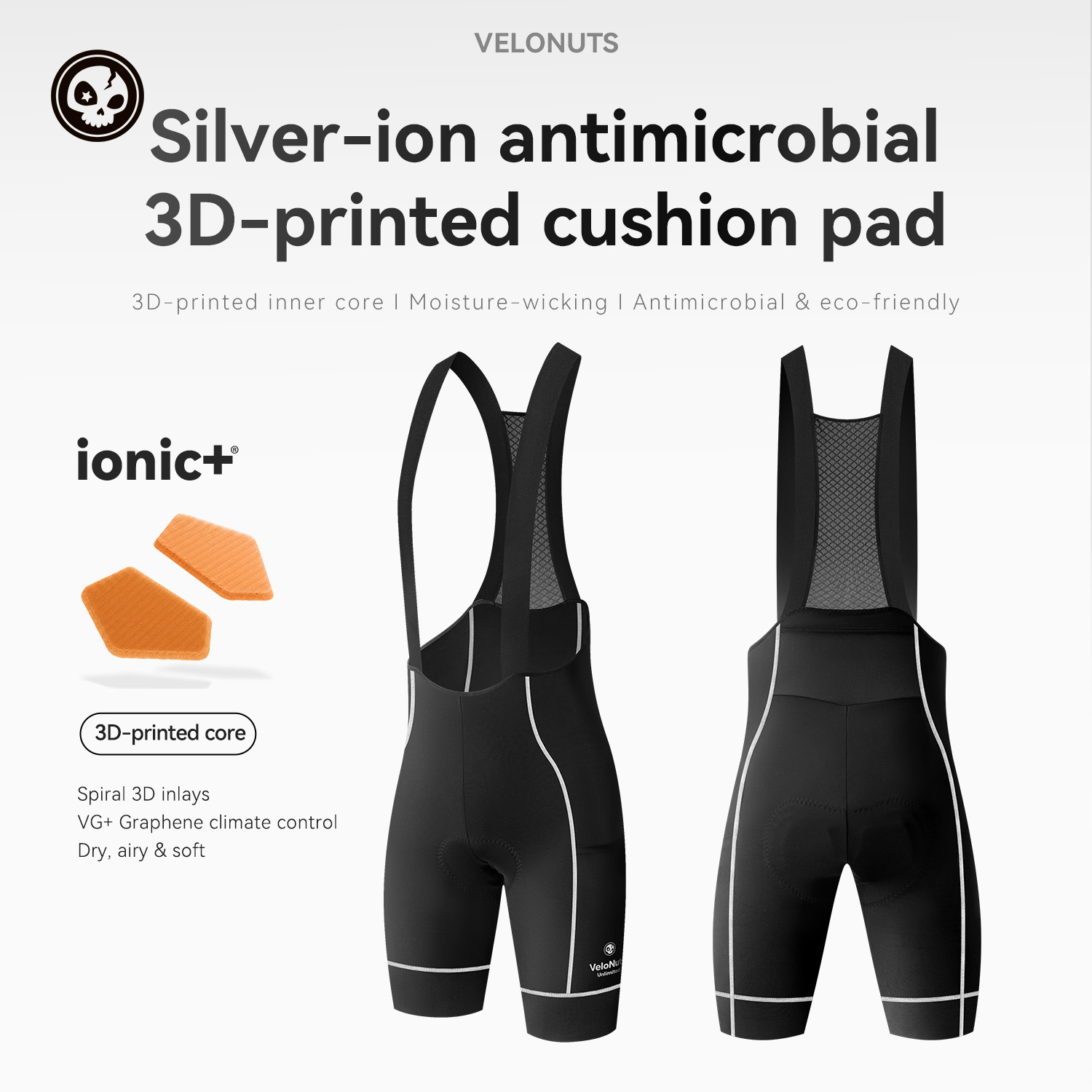
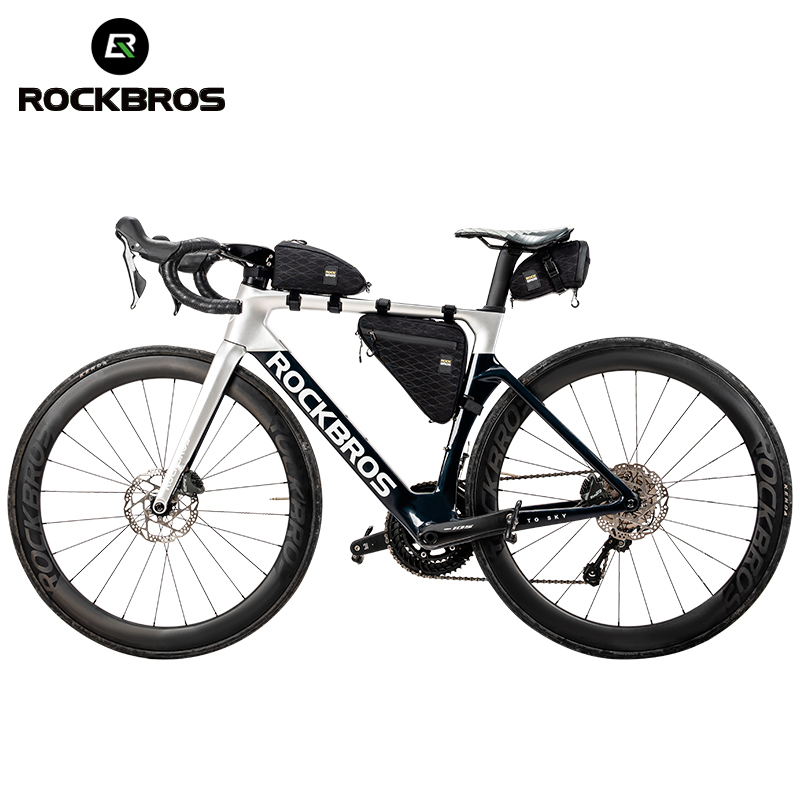
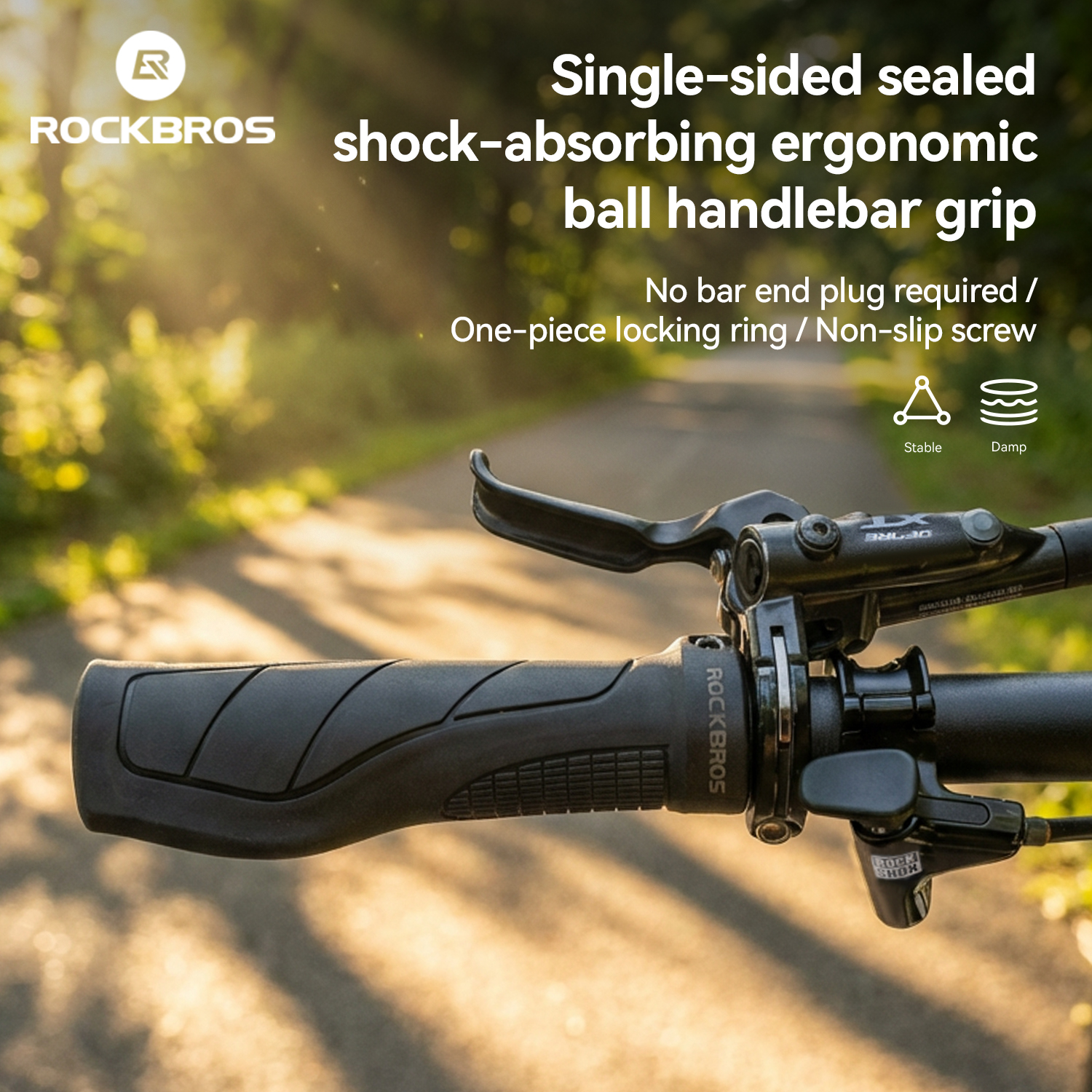
Localized Application Scenarios Across the United States
Electric bicycle adoption across North America has transitioned from recreational novelties to critical micro-mobility logistics and daily multi-modal transit. Deploying reliable acoustic deterrence demands specific design criteria.
High-Density Metros & Street Theft Resistance
In high-theft urban hubs such as New York City, San Francisco, Chicago, and Seattle, stationary e-bikes left on municipal bike racks face aggressive opportunistic theft. Our smart acoustic alarm units incorporate 3D displacement gyroscopes calibrated with false-trigger suppression algorithms, deterring angle-grinder tampering with instant 115dB-125dB decibel bursts without nuisance triggers from heavy street traffic.
Gig-Economy Delivery & Commercial Cargo Fleets
The gig delivery economy across US metro corridors relies on electric cargo bikes handling relentless 12-hour duty cycles. Alarm units engineered for enterprise delivery fleets provide keyless proximity arming, seamless integration into primary 36V/48V/52V down-tube battery lines, and IPX7 moisture sealing to survive relentless tropical storms in Florida as well as sub-zero Midwestern freeze-thaw events.
Suburban Trails, Multi-Use Greenways & RV Touring
From California’s coastal trails to Sunbelt master-planned communities, Class 1, 2, and 3 electric cruisers require multi-mode signaling. Integrated alarm modules serve a dual purpose: anti-theft motion immobilization during cafe and grocery stops, coupled with handlebar-actuated trail horn pulses that satisfy state pedestrian warning requirements without startling nearby equestrians or hikers.
Market Dynamics: North American Regulatory Shifts and Sourcing Imperatives
The United States electric micro-mobility landscape is experiencing profound structural maturation. Sourcing directors and private-label distributors no longer assess electric bike alarms simply as decorative plastic add-ons; they are classified as critical components of asset protection and liability control. Several dominant macro trends are fundamentally altering wholesale supply chain requirements:
1. Strict Alignment with UL 2849 and Battery Safety Standards: Following widespread regulatory crackdowns by municipal authorities including the New York City Council (Local Law 39) and scrutiny from the U.S. Consumer Product Safety Commission (CPSC), any electronic accessory interfaced directly into an e-bike's power bus must avoid creating voltage spikes, parasitic battery drain, or thermal hazards. Our manufacturing protocols include integrated wide-range step-down voltage regulators (12V to 72V tolerance) featuring galvanic isolation, ensuring full operational compatibility with UL-certified battery packs.
2. Insurance Mandates and Loss-Prevention Tracking: With tier-one underwriting syndicates requiring verifiable anti-theft hardening before issuing commercial policies for shared mobility fleets and enterprise delivery operators, physical deterrence must be multi-layered. Modern alarm architectures produced at our Zhejiang facilities feature bi-directional frequency communication (433.92MHz / Bluetooth LE), enabling seamless docking with telematics gateways and GPS locator housings disguised within head tubes or motor bash guards.
3. All-Weather Environmental Resilience: US geographic climates impose intense operating stressors, spanning salt-air corrosion in coastal Florida and California, persistent road brine in New England, and extreme dry desert heat exceeding 110°F in the Southwest. Zhejiang Narzo Technology addresses these localized pain points through ultrasonic casing welding, automotive-grade conformal PCB coating, and internal vibration dampening tested under high-frequency bench resonance cycles.
End-to-End Manufacturing Authority & Quality Rigor
Operating as Zhejiang Narzo Technology Co., Ltd., our vertically integrated production compound combines precision electronics assembly, structural sewing, and in-house laboratory compliance checks.
Certified Plant Infrastructure
Backboned by 366 skilled technical employees and 15+ years in sporting goods production, our facility is formally assessed and certified on-site by TÜV Rheinland, providing international buyers with audit-proof transparency.
Proprietary R&D & 3D Prototyping
We do not rely on standard public tooling. Our design office deploys parametric 3D modeling, dynamic finite-element stress simulation, and mold-making capabilities to execute proprietary exterior casings that click securely into unique bicycle geometries.
Vetted Multi-Plant Consolidation
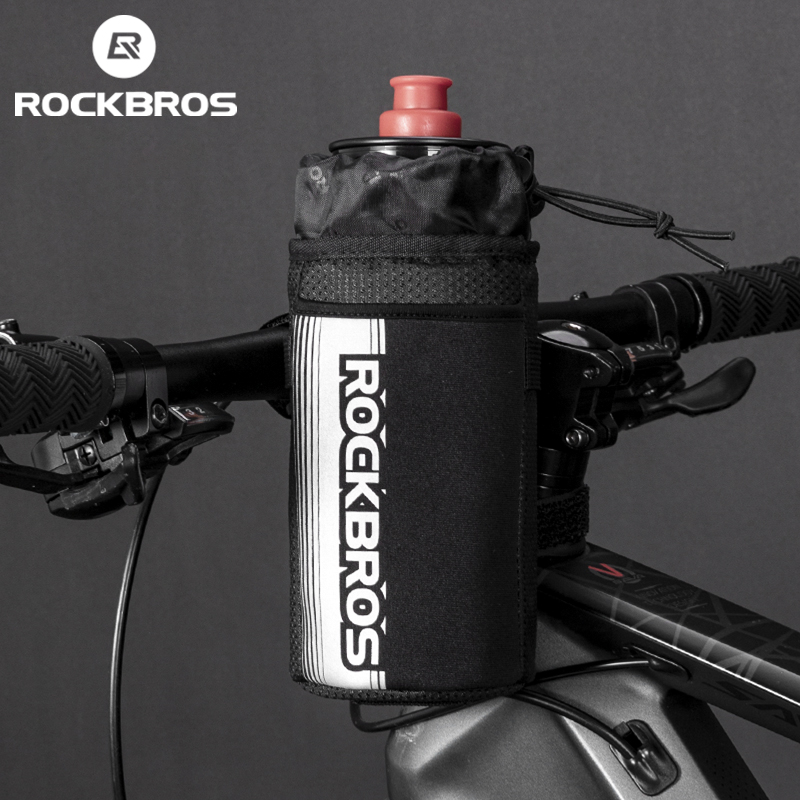
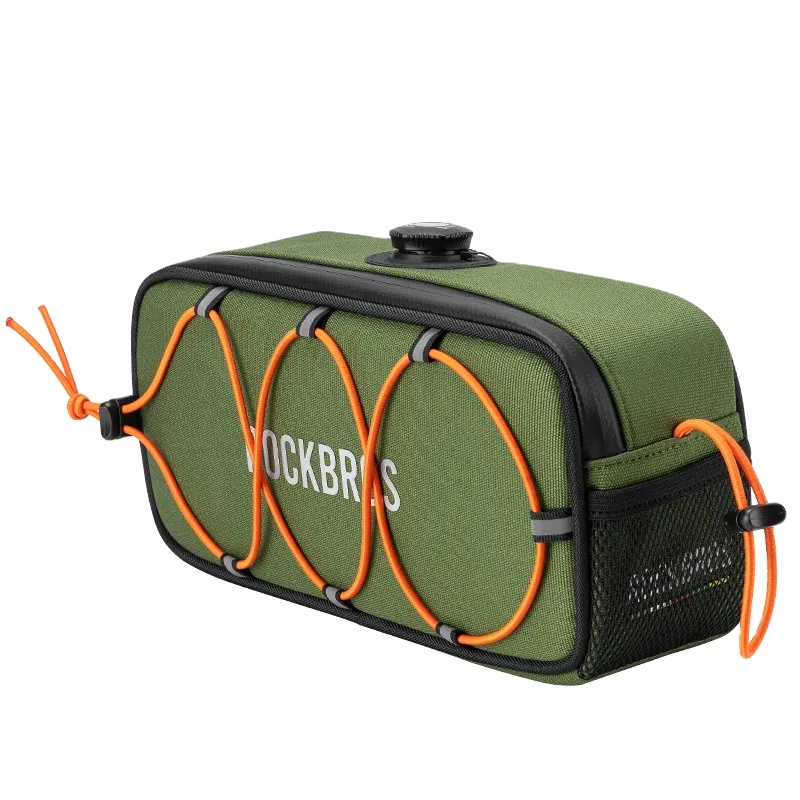
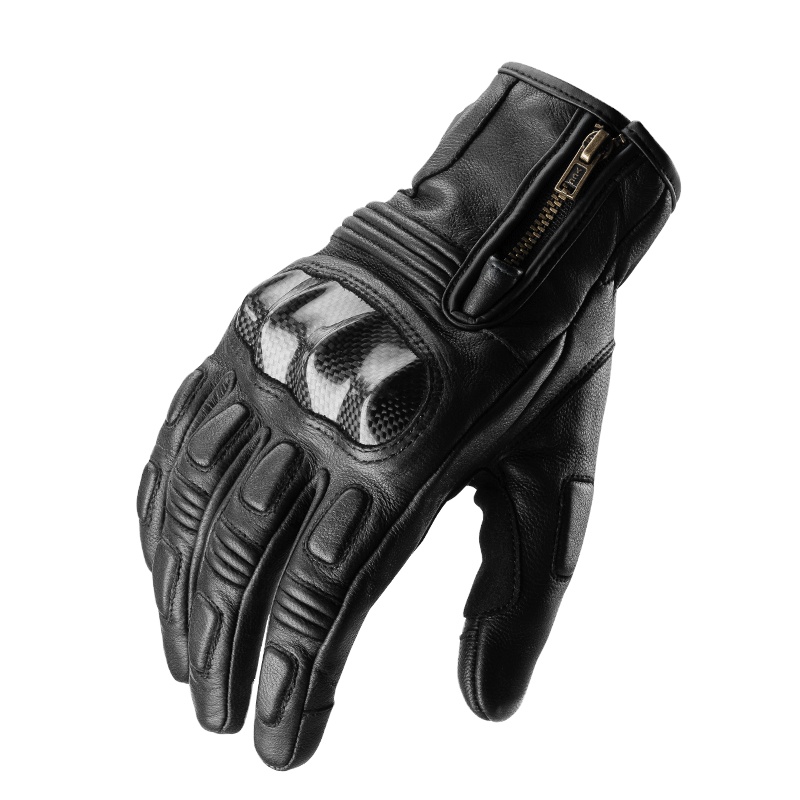
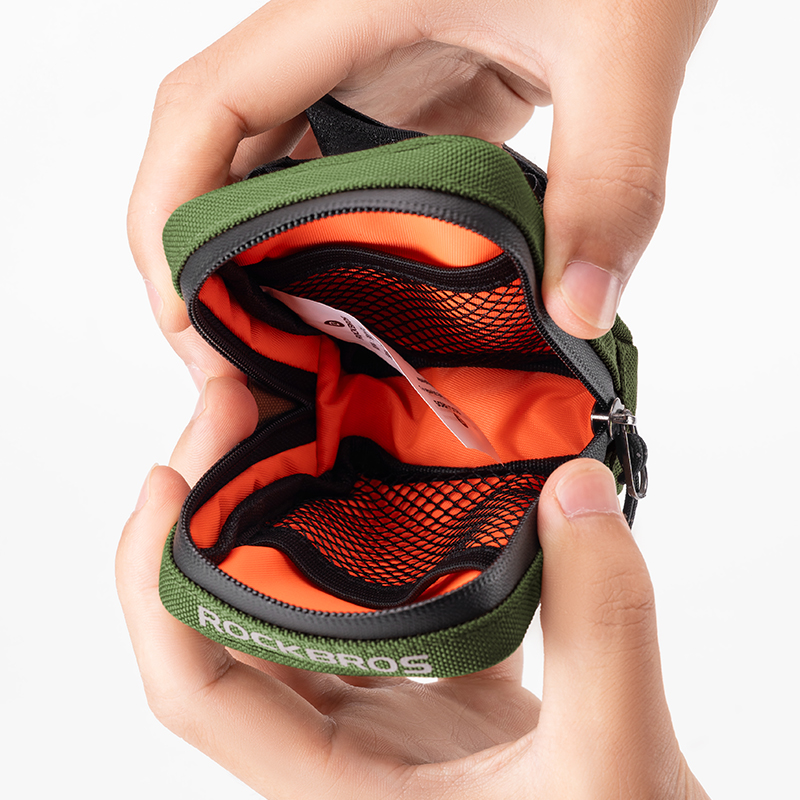
In addition to our core manufacturing footprint, we manage structured oversight across 11 partner facilities, allowing North American distributors to consolidate mixed container freights comprising electronic warning horns, bags, garments, and complete bikes.
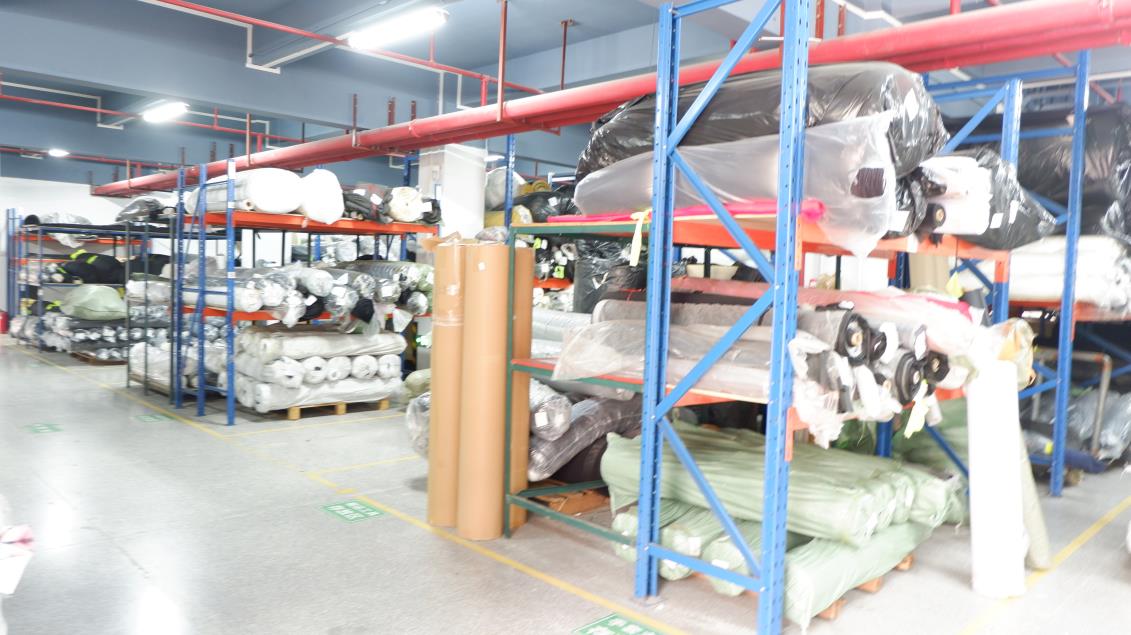
Raw Material Traceability
Systematic incoming material staging and chemical compliance checks.
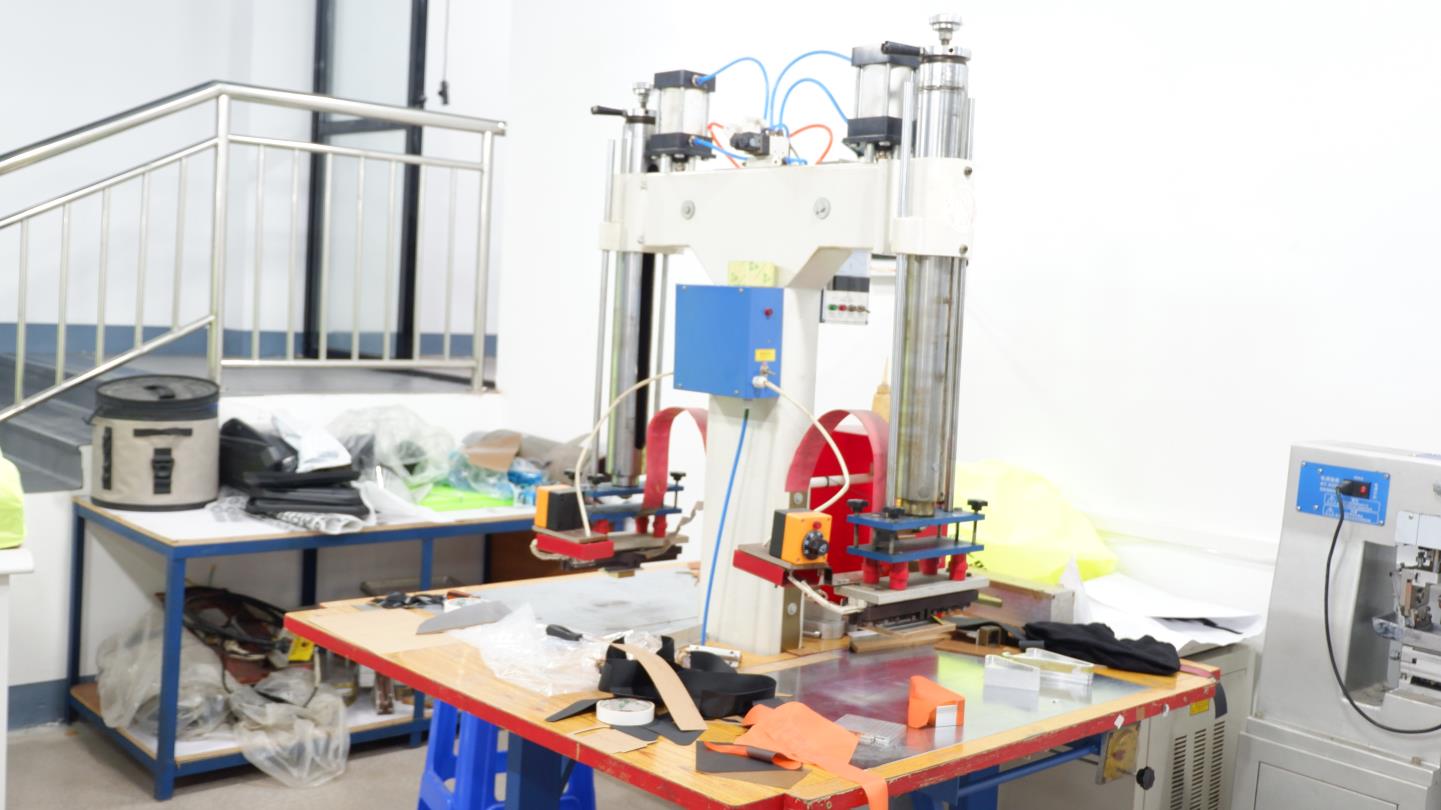
High-Frequency Sonic Sealing
Hermetic enclosure bonding ensuring true IPX6/IPX7 waterproof integrity.
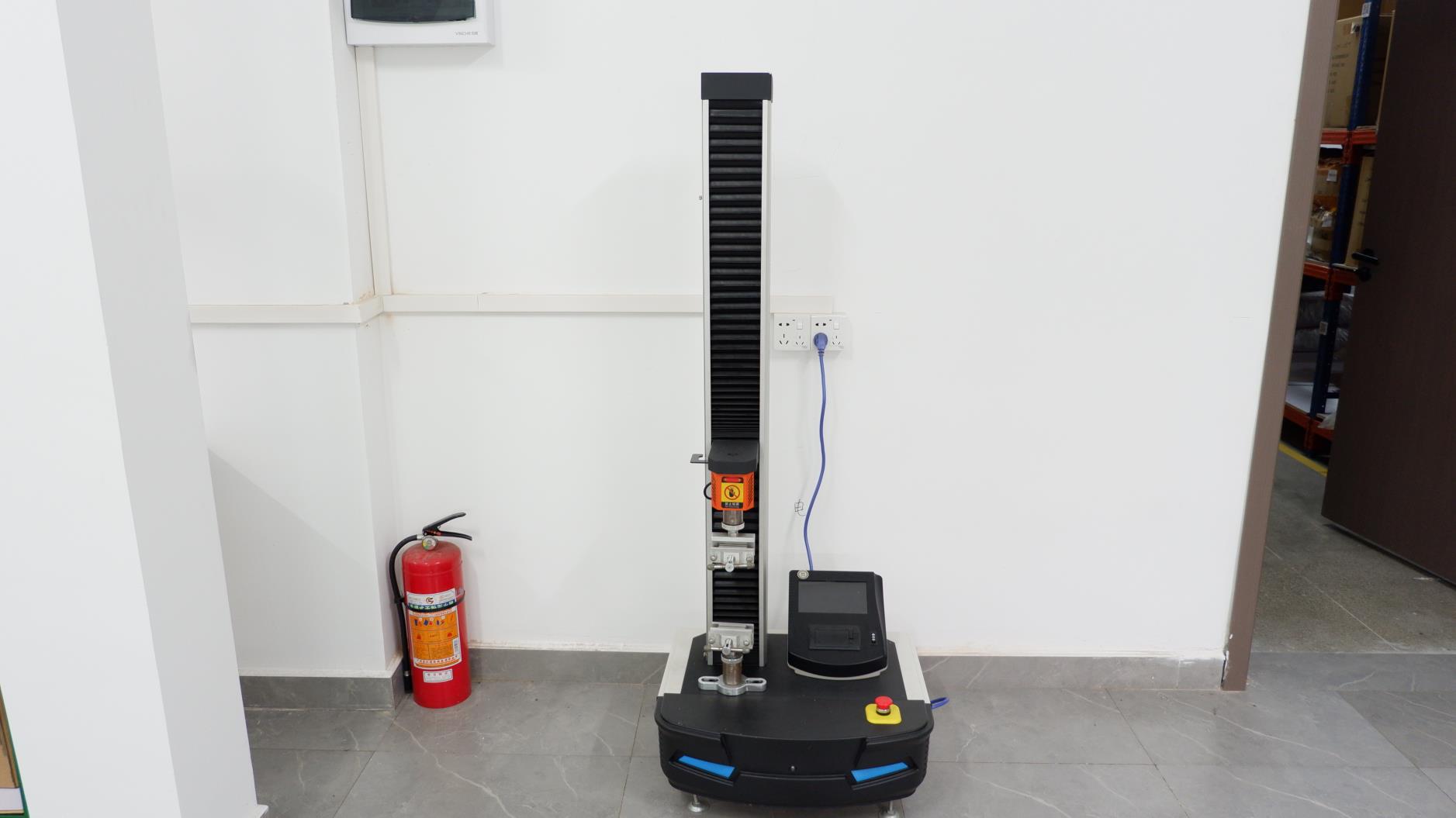
In-House Diagnostic Lab
Tensile stress, vibration endurance, and electrostatic discharge (ESD) testing.
Frequently Asked Sourcing & Technical Questions
Clear, unhedged answers addressing compliance, voltage engineering, private-label parameters, and logistics.
Q: How do your e-bike alarms prevent battery drain on idle systems?
Our circuit architectures integrate ultra-low-power microcontrollers drawing under 15 microamps in standby mode. For integrated-power models, an automated sleep routine activates after 10 minutes of inactivity while maintaining instantaneous motion wake-up triggers via multi-axis solid-state accelerometers.
Q: Can your alarm horns connect to high-voltage e-bike systems (36V-60V)?
Yes. We engineer both self-contained USB-C rechargeable units (featuring 800mAh–1200mAh lithium cells) and direct-wired OEM systems equipped with wide-input buck converters handling 12V to 72V DC continuously without overheating or violating circuit isolations.
Q: What certifications accompany your electronic accessories?
Our units ship with FCC Part 15 subpart B compliance documentation for the United States, CE/RoHS test verification for European distribution, and UN38.3 plus MSDS certification packets for safe maritime and air freight of internal lithium batteries.
Q: What is the standard MOQ for private-label branding and custom toolings?
Stock accessories and ready-to-ship electronic horns carry low minimums starting at 10 to 50 pieces for distributor market trials. Full OEM white-label programs (custom exterior color molding, silk-screened logos, localized English blister packaging, and modified siren audio profiles) start from 500 units.
Q: How are false positives from wind, thunder, and traffic vibrations eliminated?
We deploy dual-tier sensitivity mapping. The preliminary vibration generates a single non-intrusive warning chirp; continuous or structural displacement within a 3-second window instantly triggers the full-scale 120dB piezoelectric siren, preventing neighborhood noise complaints.
Q: What is the production lead time for full container orders to the US West Coast?
Standard lead times range from 20 to 30 calendar days post-sample signoff. With direct Ningbo/Shanghai port clearances, average ocean transit times to Long Beach or Oakland run approximately 14 to 18 days, accompanied by complete bill of lading and customs filing support.
Partner with an Established Global Cycling Manufacturer
Initiate direct discussions with our engineering and procurement team for bespoke quotations, tech packs, physical product evaluation samples, and factory verification documentation.