Featured Product Ecosystem & Custom Capabilities
Explore our foundational OEM/ODM product lines engineered for occupational safety, high-performance cycling, and extreme outdoor environments.
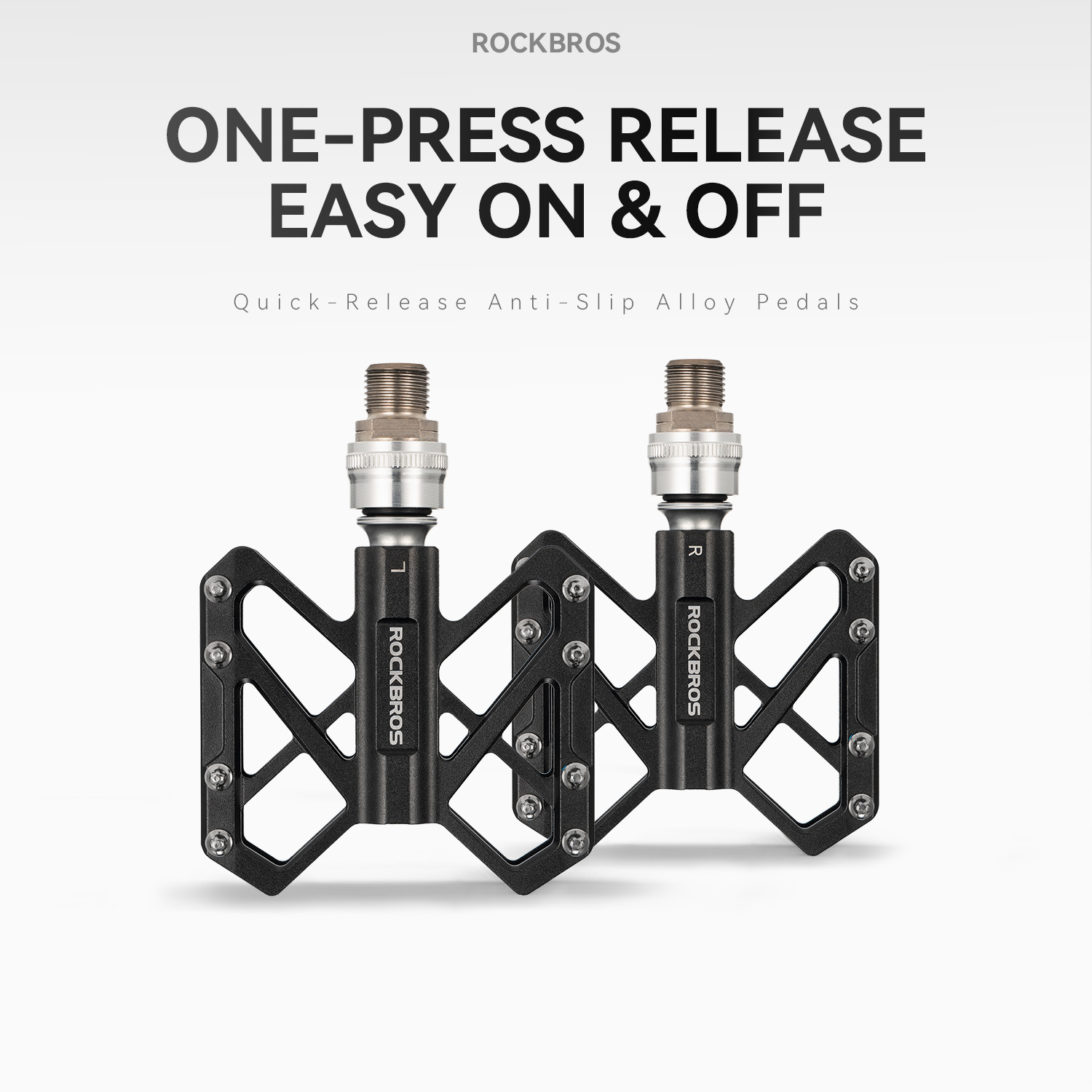
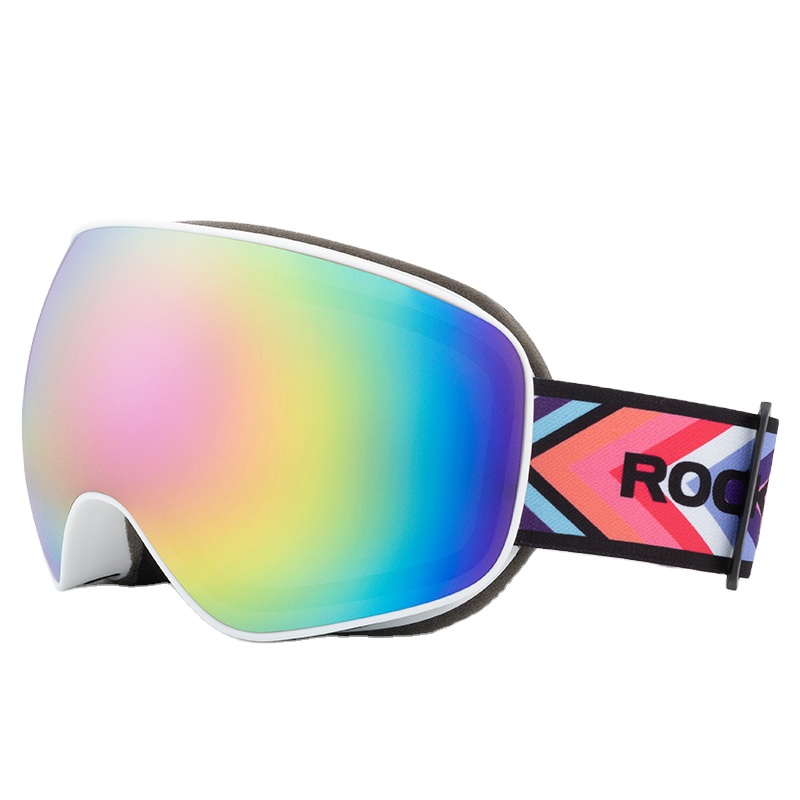
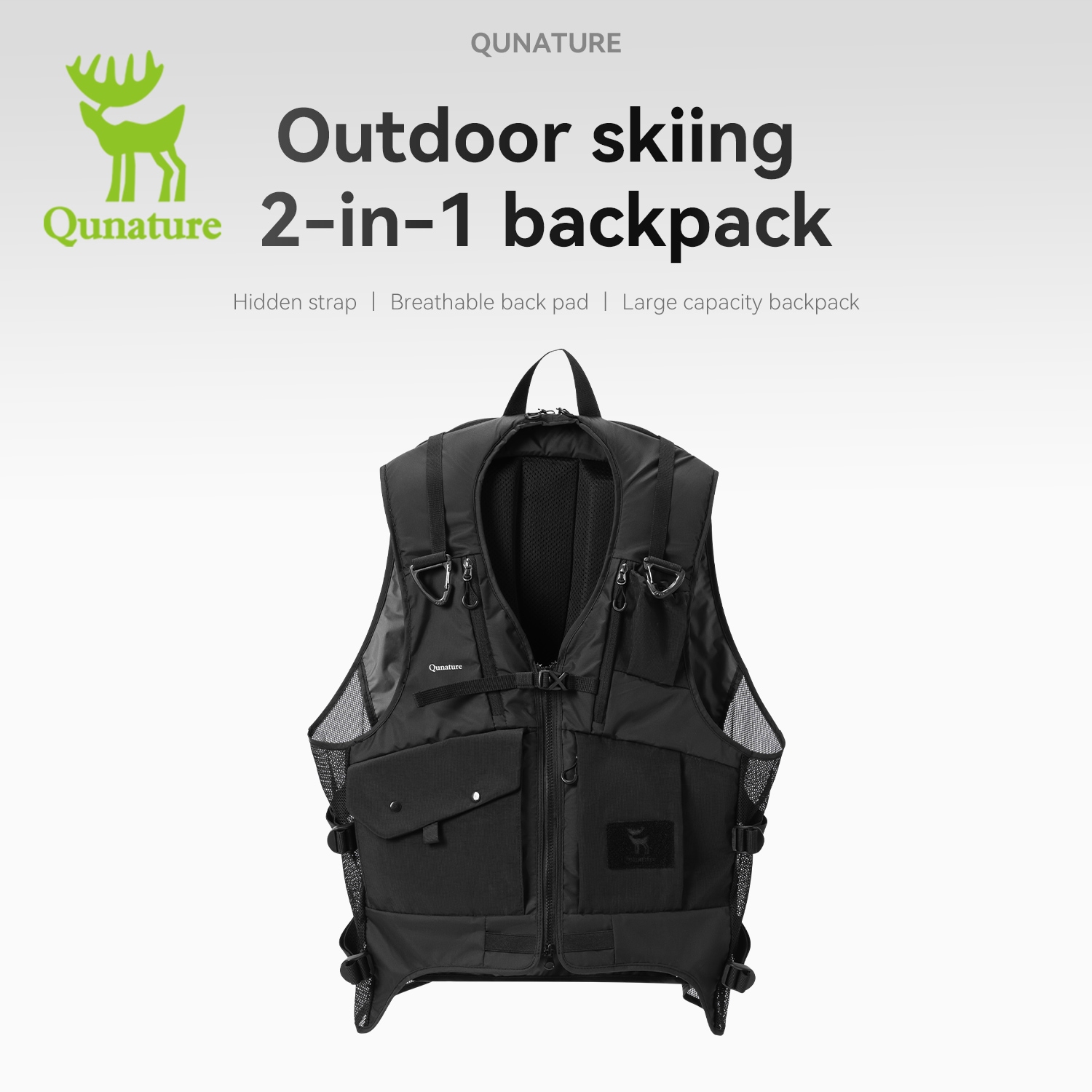
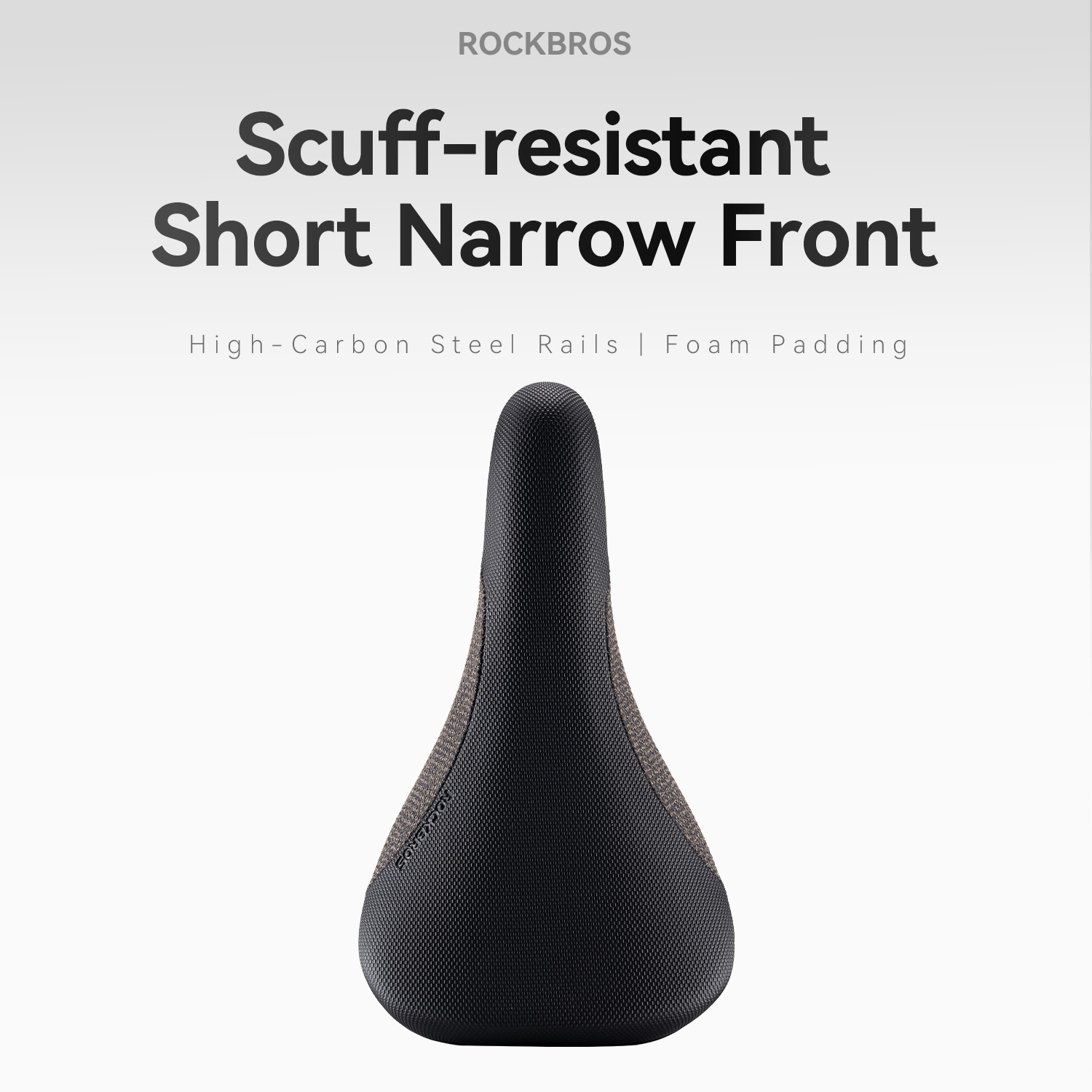
High Visibility Vest Sourcing Architecture: Technical Compliance & OEM Standards
In modern industrial safety and traffic management, high visibility (hi-vis) vests serve as the frontline defense against workplace accidents and low-light hazards. Sourcing high visibility vests at a institutional B2B level requires far more than basic fabric assembly; it mandates strict adherence to international photometric regulations, material durability thresholds, and ergonomic fit systems. As a specialized OEM/ODM High Visibility Vest Manufacturer, Zhejiang Narzo Technology Co., Ltd. bridges the gap between complex regulatory mandates and cost-effective bulk production.
Whether manufacturing for municipal road crews, construction conglomerates, logistics networks, or specialized emergency responders, our production infrastructure integrates full lifecycle quality controls. By combining advanced fabric knitting, automated laser cutting, high-frequency ultrasonic welding, and precise heat-transfer branding, we deliver private-label hi-vis apparel that strictly aligns with global regulatory standards including EN ISO 20471 (Europe), ANSI/ISEA 107-2020 (USA), AS/NZS 1906.4 (Australia/New Zealand), and CSA Z96 (Canada).
Regulatory Standards & Technical Classification Matrix
Understanding the structural and photometric requirements for OEM/ODM high visibility vest production across global regulatory bodies.
| Class / Standard | Minimum Background Fabric | Minimum Reflective Tape | Typical Risk Environment | Primary OEM Material Selection |
|---|---|---|---|---|
| Class 1 (EN ISO 20471 / ANSI) | 0.14 m² (1.08 ft²) | 0.10 m² (0.14 ft²) | Off-road, low speed (<25 mph), warehouse logistics | 120g/m² Polyester Tricot or Breathable Mesh |
| Class 2 (EN ISO 20471 / ANSI) | 0.50 m² (5.38 ft²) | 0.13 m² (1.40 ft²) | Roadway construction, traffic direction, municipal maintenance | High-Chroma Fluorescent Yellow/Orange Polyester + Glass Bead Tape |
| Class 3 (EN ISO 20471 / ANSI) | 0.80 m² (8.60 ft²) | 0.20 m² (2.15 ft²) | High-speed traffic (>50 mph), highway emergency, railway crews | 300D Oxford Waterproof Polyurethane + Micro-prismatic Reflective Film |
| Multi-Hazard Hybrid | Custom Area Matching | FR-Treated Glass Bead Tape | Oil & gas, welding sites, arc-flash exposed environments | Flame Retardant Modacrylic/Cotton Blend + Anti-static Grid |
Enterprise Strengths: Zhejiang Narzo Technology Infrastructure
Our vertically integrated manufacturing facility provides institutional buyers with end-to-end quality assurance, low MOQs, and engineering agility.
On-Site TÜV Rheinland Verification
Our operations, manufacturing lines, and management practices are rigorously audited on-site by TÜV Rheinland, providing complete transparency and supplier verification for international procurement teams.
In-House Testing Laboratory
Equipped with state-of-the-art testing equipment including Tensile Testers, Dry Rubbing Fastness Testers, Hydrostatic Pressure Testers, and Static Water Pressure Testers to guarantee material durability before bulk assembly.
Structure Design & 3D Simulation
Utilizing advanced CAD structure design and 3D digital garment simulation, we accelerate pre-production prototyping, lowering development costs and speeding up time-to-market for custom private-label designs.
Automated Precision Manufacturing
Our factory floor features automatic fabric spreading systems, computerized laser cutting machines, high-frequency ultrasonic welding units, and heat-gluing machinery for seamless waterproof seam execution.
Agile Low MOQ & Global Logistics
We empower regional distributors and online retailers with flexible minimum order quantities starting from as low as 10 pieces for custom apparel, backed by 10+ years of streamlined export experience across 50+ countries.
Full Lifecycle Quality Assurance
Every batch undergoes strict incoming fabric shrink testing, in-line assembly verification, ultrasonic bond testing, and final pre-packing inspection to guarantee 100% defect-free dispatches.
Future Development Trends in High Visibility Safety Vest Manufacturing
The global high visibility safety outerwear market is experiencing a technological evolution driven by changing environmental regulations, worker comfort expectations, and digital supply chain tracking. Institutional procurement officers must anticipate these product development trends to ensure long-term inventory relevance and compliance.
1. Active Illumination & Smart LED Integration
Traditional passive retroreflectivity relies entirely on external light sources (e.g., vehicle headlights). Emerging high visibility vest designs incorporate flexible, washable electroluminescent strips or integrated micro-LED arrays. These active illumination systems provide 360-degree visibility in absolute darkness, dense fog, and smoke environments independent of external ambient light.
2. Sustainable rPET & Bio-Based Fluorescent Fabrics
Driven by ESG corporate mandates and European Green Deal directives, manufacturers are transitioning from virgin polyester to 100% recycled polyethylene terephthalate (rPET) derived from post-consumer plastic bottles. Maintaining high chromaticity (fluorescence) on recycled polyester requires non-toxic, highly stable disperse dyes engineered to pass rigorous ISO 20471 colorfastness tests.
3. Advanced Ergonomic Mesh & Anti-Abrasive Hybrid Construction
Modern workers demand garments that adapt to extreme thermal conditions without sacrificing durability. Future-ready hi-vis vests feature zonal body-mapping: high-airflow mesh panels positioned in sweat zones paired with high-denier ripstop Oxford reinforcement on shoulders and tool pockets to prevent premature tearing from heavy duty belts and harness wear.
4. Multi-Norm Flame Retardant & Anti-Static Integration
Industrial work environments increasingly present compounded risks. Sourcing trends favor multi-hazard protective gear combining EN ISO 20471 compliance with EN ISO 11612 (flame protection), EN 1149-5 (anti-static properties), and IEC 61482 (electric arc flash resistance) within lightweight, single-layer fabric structures.
5. Micro-Prismatic High-Gloss Reflective Technology
While traditional glass bead reflective tapes are cost-effective, high-gloss micro-prismatic films offer superior photometrics under wet weather conditions. Micro-prismatic structures reflect light directly back to the driver's sightline even when completely saturated with rain, drastically improving night-time rainy season safety metrics.
6. RFID & Smart Inventory Asset Management
High-value industrial safety vests now feature encapsulated UHF RFID tags stitched directly into hem seams. This enables automated bulk laundry cycle tracking, worker site access control, PPE compliance logging, and real-time inventory management across large construction project sites and municipal fleets.
Strategic OEM/ODM Sourcing & Risk Mitigation for Global Buyers
Procuring safety apparel at scale involves navigating potential supply chain pitfalls, including non-compliant reflective tape degradation, dye bleed, inaccurate sizing templates, and extended port delays. To build a resilient supply chain, professional procurement managers should implement a structured vendor evaluation strategy:
1. Verify Raw Material Certification Authenticity: Always request independent lab test reports (such as TÜV, SGS, or Intertek) for both the fluorescent background fabric (testing colorfastness to light, rubbing, and perspiration) and retroreflective tapes (photometric performance before and after specified wash cycles).
2. Evaluate Prototype Structural Integrity: Request pre-production samples to evaluate critical stress points. Key inspection areas include bar-tack stitching on chest radio loops, reinforced pocket edges, heavy-duty zipper teeth durability, and smooth bias binding along garment borders.
3. Private Label & Branding Compliance: When applying custom corporate logos via screen printing, heat transfer, or embroidery, ensure that the logo placement does not obscure the minimum required square meterage of fluorescent or reflective material dictated by Class 2 or Class 3 safety standards.
Frequently Asked Sourcing Questions (FAQ)
Direct technical answers to common B2B procurement queries regarding high visibility vest manufacturing, customization, and export logistics.
What is the minimum order quantity (MOQ) for custom OEM/ODM high visibility vest orders?
Many of our in-stock safety accessories and standard apparel models start from an ultra-low MOQ of just 10 pieces. For custom color dyeing, specific fluorescent fabric weights, or fully customized private-label OEM packaging, typical MOQs range between 100 to 500 pieces depending on material specifications.
How does your factory ensure compliance with EN ISO 20471 and ANSI/ISEA 107 standards?
Every fabric roll undergoes incoming material inspection, chromaticity coordinate checking, and shrink testing. Our in-house testing laboratory conducts tensile strength, hydrostatic pressure, dry rubbing fastness, and washing durability checks. Furthermore, our manufacturing facility has been audited on-site by TÜV Rheinland.
Can custom company logos be added without violating high visibility safety certifications?
Yes. Our engineering team utilizes 3D CAD pattern software to calculate exact surface area coverage. We strategically position custom screen prints, heat-transfer logos, or embroidered badges on pocket flaps or designated chest zones to ensure the background fluorescent fabric area remains fully compliant with Class 1, 2, or 3 thresholds.
What is the expected washing lifespan of your high visibility vests?
Our standard glass-bead reflective tapes are rated for 25 to 50 domestic wash cycles at 60°C (140°F) while retaining over 100 cd/(lx·m²) reflectivity. For industrial laundering requirements, we offer specialized heavy-duty micro-prismatic and flame-retardant tapes certified for up to 100 wash cycles.
What is the typical production lead time for pre-production samples and bulk orders?
Sample creation utilizing our digital 3D garment simulation takes approximately 3 to 5 working days. Once pre-production samples are approved, standard bulk manufacturing lead time is 15 to 25 days depending on total order volume and customization complexity.
Do you provide custom retail packaging, barcoding, and hangtag services?
Yes. We offer complete ODM private labeling services including custom branded polybags, eco-friendly FSC-certified hangtags, custom printed inner neck labels, and pre-scanned GTIN/UPC barcode labeling ready for direct retail distribution or Amazon FBA warehousing.
Which export markets do you primarily serve and what customs documentation is provided?
With over 10 years of international export experience, Zhejiang Narzo Technology supplies buyers across Europe, North America, Southeast Asia, Latin America, and Africa. We provide comprehensive export documentation including CE Certificates, Declarations of Conformity, Bills of Lading, CO (Certificate of Origin), and complete packing lists.
How do I request a formal quotation or factory sample for testing?
You can initiate a request directly through our live chat system or contact page. Simply provide your target market, required safety classification (e.g., Class 2 or Class 3), estimated order quantity, and branding requirements to receive a detailed FOB/CIF quotation within 24 hours.
Accelerate Your Safety Apparel Sourcing with Narzo Technology
Partner with an audit-verified OEM/ODM manufacturer. Contact our engineering team today to request pre-production samples, technical specifications, and competitive tier-one wholesale pricing.