1. Technical Architecture & Textile Engineering in Cycling Rainwear
Engineering a high-level cycling rain jacket demands a delicate balance between absolute waterproof protection and high thermal vapor transmission. Unlike standard outdoor raincoats, cycling rainwear must endure high metabolic heat output, dynamic aerodynamic positioning, aggressive arm extension, and constant road spray. Leading Chinese rain jacket factories utilize advanced multi-layer membrane laminates to satisfy these demands.
2.5-Layer vs. 3-Layer Construction
A 2.5-layer fabric pairs a lightweight face fabric with a TPU or ePTFE membrane protected by a raised raised print or dry-touch coating. It offers ultra-packability (<150g) for emergency pocket rain capes. A 3-layer construction sandwiches the waterproof membrane between a high-tenacity outer shell and a protective inner tricot mesh, providing maximum durability for all-day rain riding and gravel applications.
Hydrostatic Head & RET Metrics
Premium Chinese manufacturers benchmark performance using ISO 811 hydrostatic testing (measuring water pressure resistance in mm) and ISO 11092 RET testing (measuring evaporative resistance). Sourcing managers should specify a minimum of 15,000 mm H₂O waterproof rating combined with an RET < 6 m²Pa/W (or Moisture Vapor Transmission Rate MVTR > 20,000 g/m²/24h) to prevent internal condensation buildup during high-cadence efforts.
Seam Taping & Micro-Seam Seals
Waterproof fabric is only as reliable as its weakest seam. Factory lines equipped with pneumatic, programmable hot-air seam-sealing machines apply 13mm to 15mm ultra-narrow PU/TPU seam tapes at precise temperatures (180°C–220°C). Narrow seam sealing minimizes stiffness, reduces overall garment weight, and guarantees zero leakage at stress points like shoulder panels, armholes, and waterproof zipper tracks.
Technical Fabric Benchmarks for Cycling Rainwear OEM/ODM
| Performance Tier | Fabric Composition | Waterproofness (ISO 811) | Breathability (MVTR) | Target Application |
|---|---|---|---|---|
| Ultra-Light Emergency | 10D/15D Nylon + Micro-porous TPU Coating | 10,000 mm H₂O | 15,000 g/m²/24h | Pocketable rain cape, short showers |
| Pro-Performance Race | 20D Stretch Polyester + Hydrophilic Membrane | 18,000 mm H₂O | 25,000 g/m²/24h | High-tempo road racing, training in rain |
| Expedition & Gravel | 30D Ripstop Nylon + 3L ePTFE Membrane | 25,000 mm H₂O | 20,000 g/m²/24h | Multi-day bikepacking, harsh terrain |
| Urban Commuter | 75D Mechanical Stretch + Recycled TPU | 10,000 mm H₂O | 10,000 g/m²/24h | Daily city riding, e-bike commuting |
2. Featured Factory Showcase: Essential Cycling & Outdoor Gear
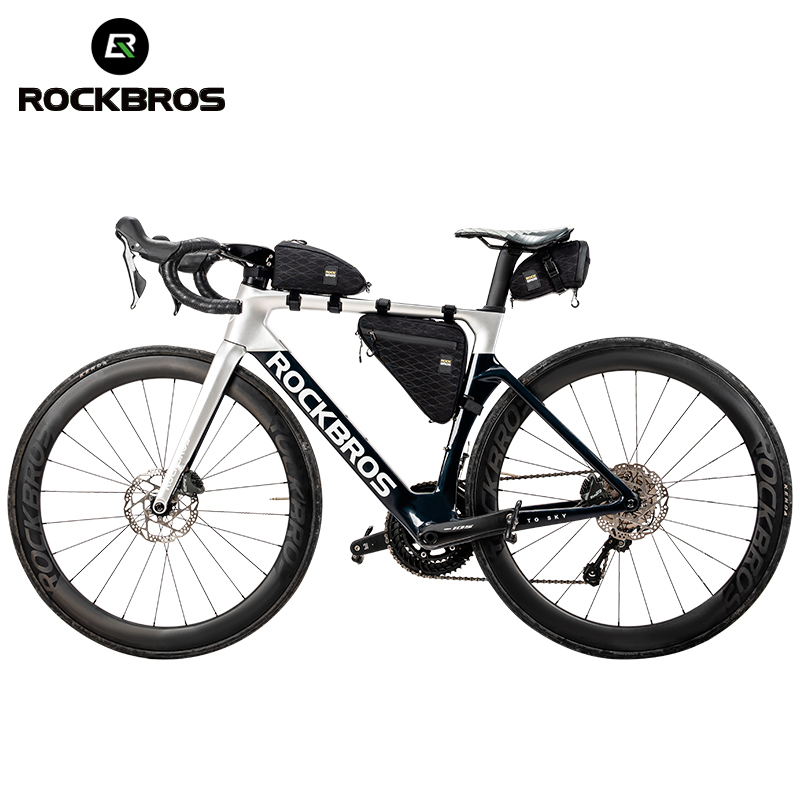
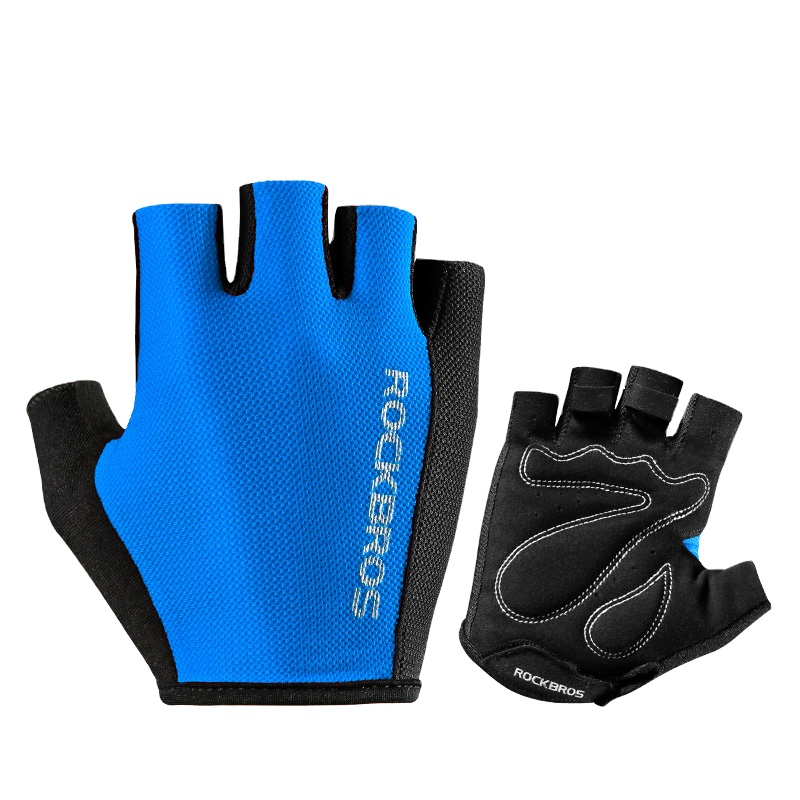
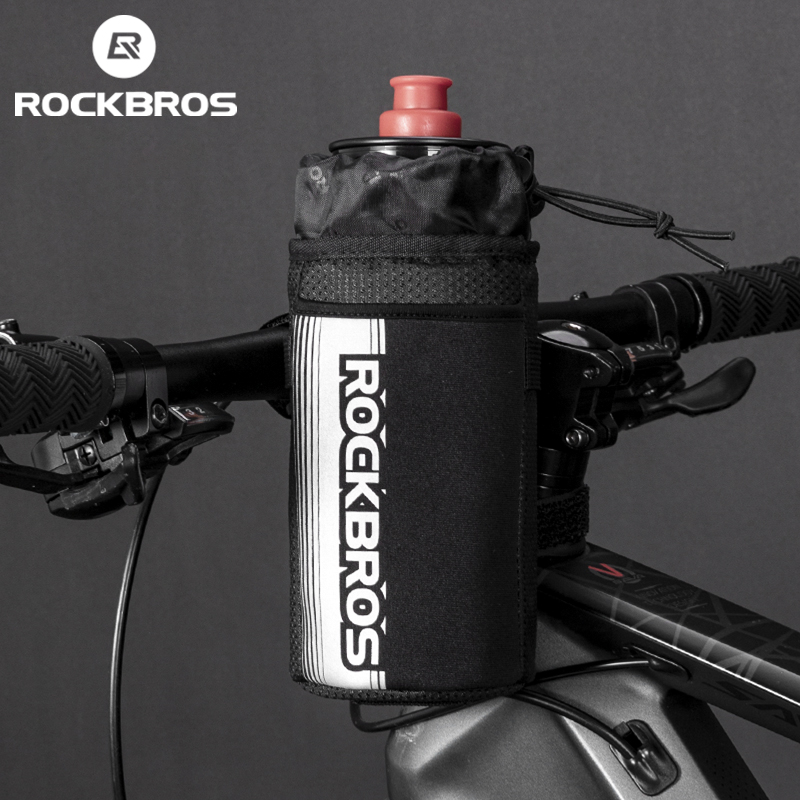
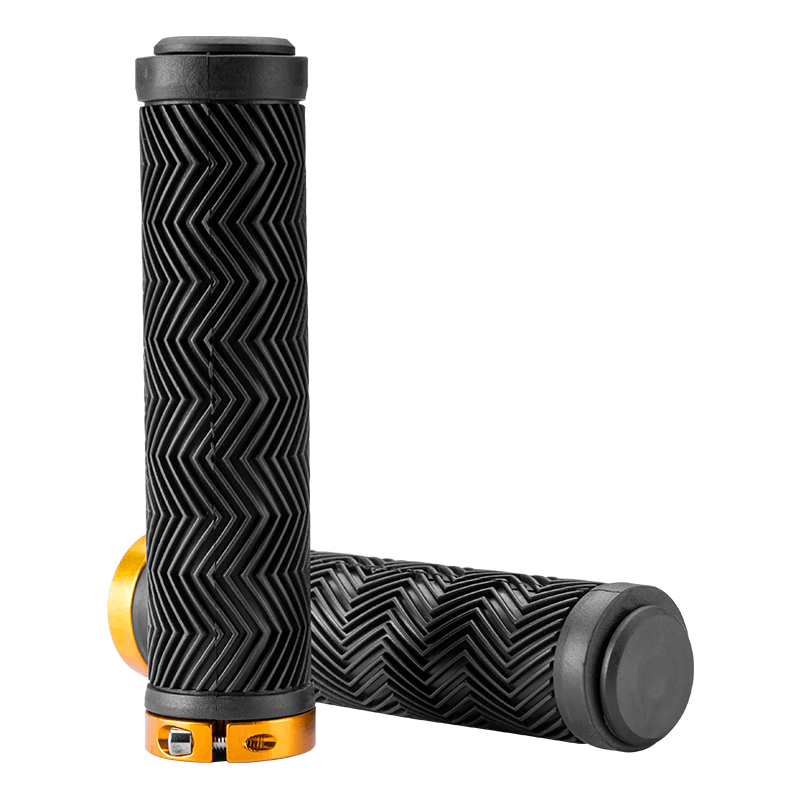
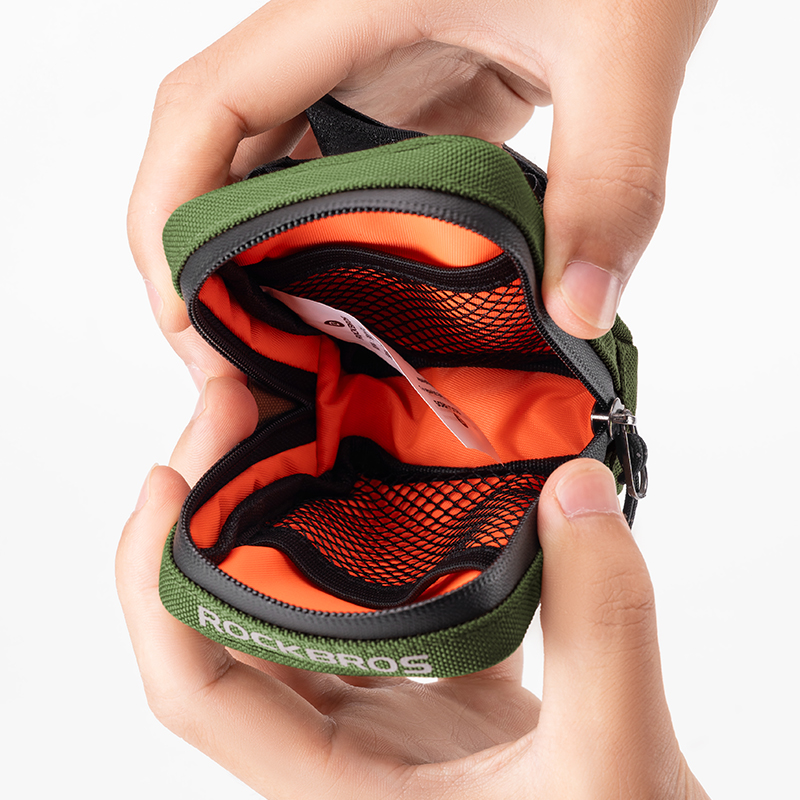
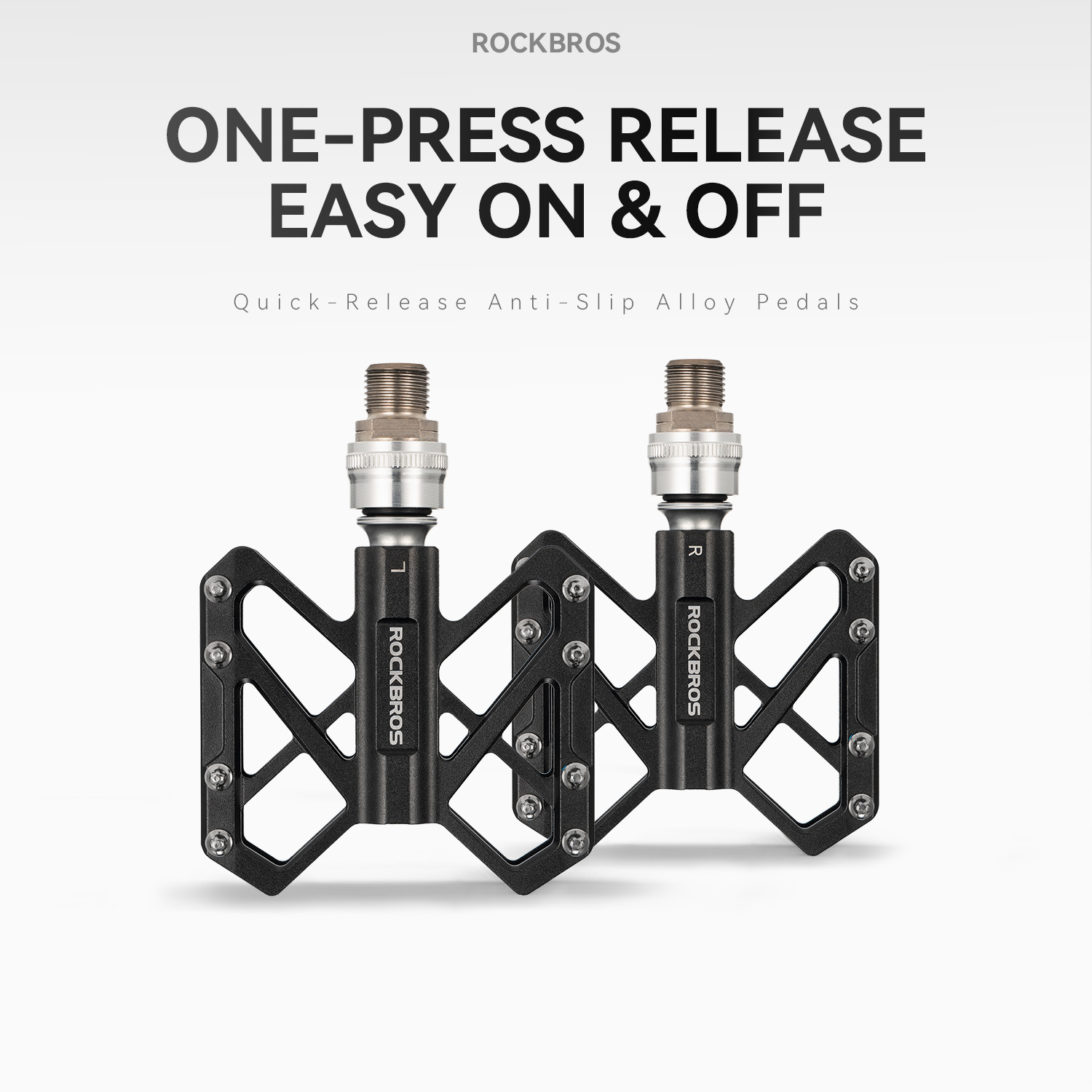
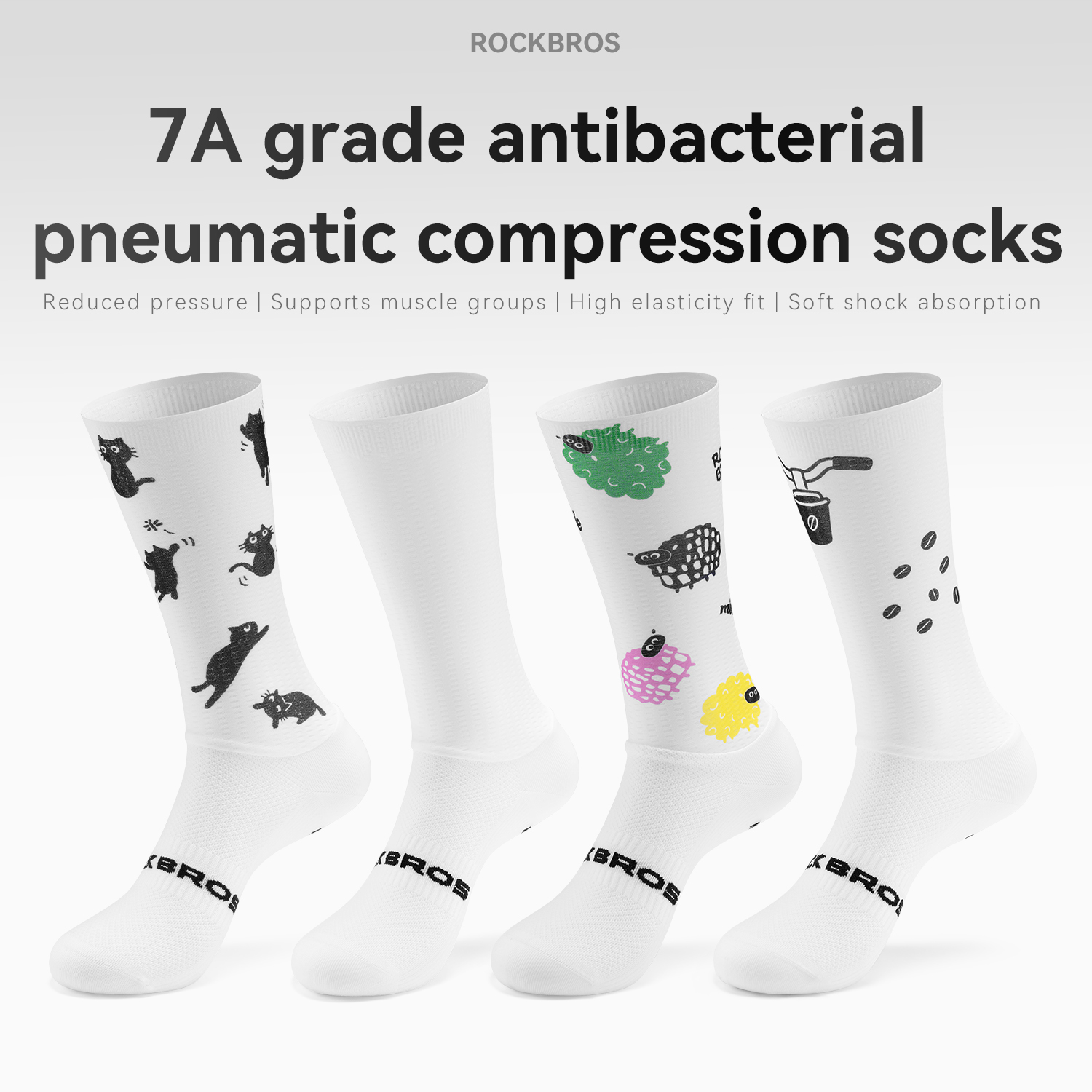
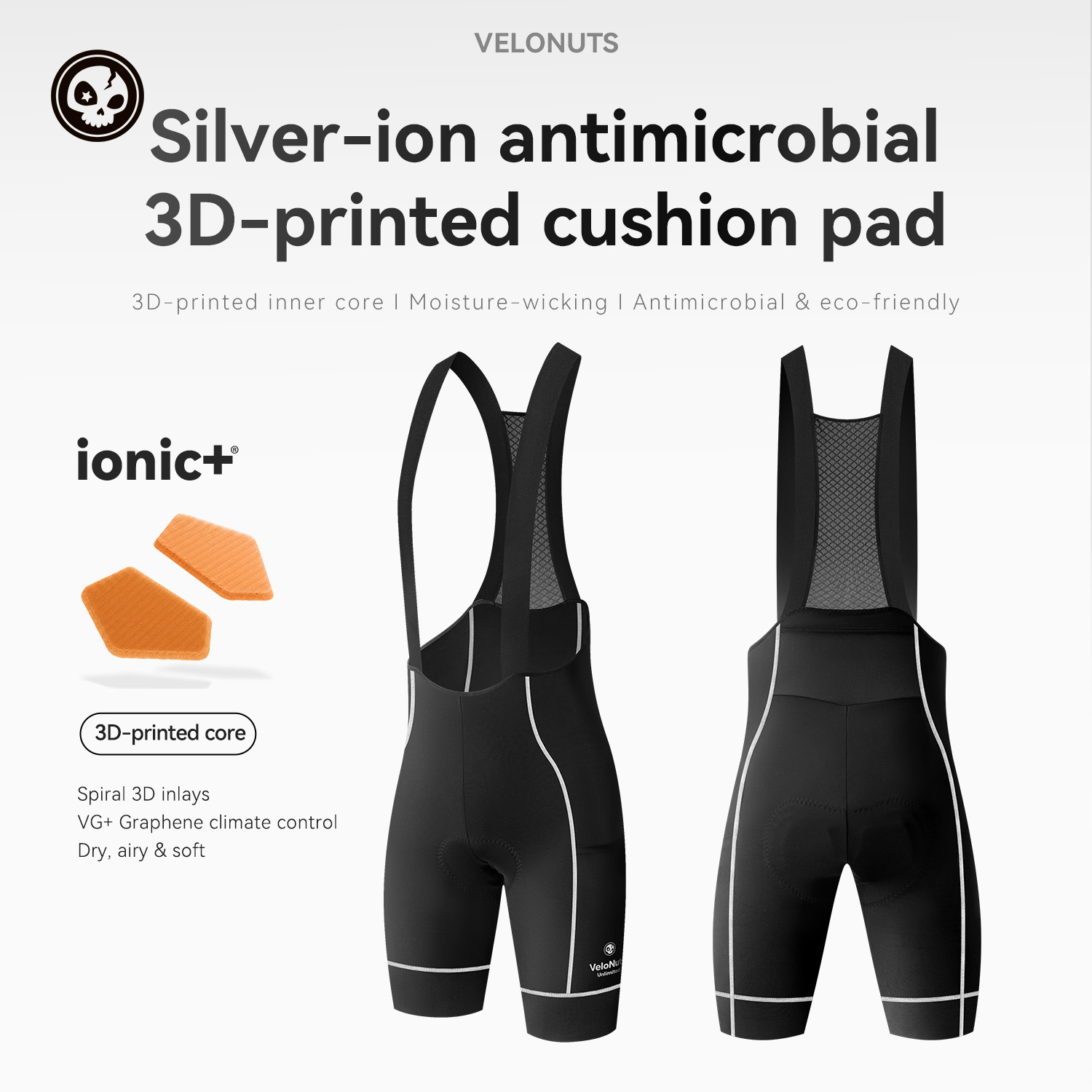
As a comprehensive single-source manufacturer, Zhejiang Narzo Technology Co., Ltd. offers a balanced portfolio of personal cycling equipment, waterproof bags, and hardware accessories. Review our verified product range below for wholesale distribution or OEM custom private-label manufacturing:
3. Future Sourcing & Technical Development Trends (2025–2030)
The technical outerwear sector is undergoing rapid evolution driven by international chemical regulations, sustainability mandates, and advancements in textile manufacturing. Brands sourcing cycling rain jackets from China must align their OEM roadmaps with the following key trends:
1. C0 Fluorocarbon-Free DWR & Bio-Based Membranes
Regulatory frameworks such as EU REACH, OEKO-TEX Standard 100, and US state-level PFAS bans are phasing out traditional C8 and C6 per- and polyfluoroalkyl substances. Leading Chinese rain jacket factories have shifted to plant-based and paraffin-wax C0 DWR coatings. Furthermore, bio-derived TPU membranes made from castor oil and corn waste are replacing petroleum-based laminates, achieving identical 20,000mm hydrostatic performance while reducing carbon footprint by up to 35%.
2. Monomaterial Circular Apparel Construction
To enable end-of-life garment recycling without mechanical disassembly, advanced factories are pioneering monomaterial rain jackets. By utilizing 100% recycled polyester (rPET) for face fabric, membrane, seam tape, and sewing threads, the entire garment can be shredded and re-polymerized at end-of-life. Sourcing circular garments positions outdoor brands ahead of extended producer responsibility (EPR) regulations in Western markets.
3. Ultrasonic Bonded & Laser-Cut Seamless Construction
Traditional needle stitching punches thousands of microscopic holes into rainwear fabrics. Next-generation Chinese production facilities employ automated laser cutters and ultrasonic welding machines. Ultrasonic bonding fuses fabric edges using high-frequency acoustic vibrations, creating completely flat, seamless joints that improve aerodynamic efficiency, eliminate needle-hole leaks, and reduce seam bulk by 40%.
4. Smart Visibility & 360° Photoluminescent Coatings
Low-light and stormy weather visibility remains a major safety priority for cyclists. The future of rainwear integrated smart optics: combining high-candlepower retro-reflective glass bead technologies with photoluminescent pigment prints that absorb daylight and glow actively in darkness. Chinese manufacturers are integrating subtle, charcoal-gray reflective patterns that remain discreet during daytime riding but illuminate under vehicle headlights at night.
4. Enterprise Strength & Verification: Zhejiang Narzo Technology
Zhejiang Narzo Technology Co., Ltd. operates at the intersection of technical innovation, industrial scale, and verified quality management. Positioned in Zhejiang—China's premium manufacturing hub for cycling and outdoor equipment—our operation integrates in-house research, automated production, and rigorous laboratory testing.
In-House Laboratory Inspection & Quality Control Protocol
Every production run of cycling rain jackets and technical gear undergoes strict physical testing in our internal testing facility prior to final packaging:
- ✓ Hydrostatic Pressure Tester: Verifies water column resistance up to 30,000 mm H₂O.
- ✓ Tensile & Tear Strength Tester: Evaluates seam durability and fabric burst resistance under stretch.
- ✓ Dry & Wet Rubbing Fastness: Ensures zero color migration or bleeding onto bib shorts or white saddles.
- ✓ Fabric Wash & Shrinkage Chamber: Confirms dimensional stability after repeated wash cycles.
- ✓ Seam Tape Peel Adhesion: Tests thermal bond longevity between tape and inner membrane.
- ✓ 3D CAD Simulation: Accelerates OEM prototype development with precise pattern grading.
5. Frequently Asked Questions (FAQ) for B2B Sourcing Managers
Essential procurement guidelines, order logistics, and OEM customization procedures for global importers, retail brands, and wholesalers:
Accelerate Your Cycling Gear Procurement
Partner with a verified Chinese manufacturing leader. Request technical fabric swatch cards, custom OEM quotations, or sample evaluation sets directly from our engineering team.