A Mountain Bike Helmet should feel secure before the trail gets rough. On a short climb, you may barely notice it. On a rocky descent, a loose fit, blocked vision, or pressure across your forehead can become distracting. The right choice balances impact protection, comfort, ventilation, and coverage. It should also stay stable when you look down, turn quickly, or ride over roots.
Helmet researcher Peter Halldin, known for work on rotational-impact protection, offers a useful principle. In paraphrase, his research reminds riders to consider rotational forces as well as direct impacts. That matters because crashes do not always happen in a neat, straight line. Still, no helmet can prevent every injury. Not even the expensive ones.
This guide compares helmets for different trails, budgets, and riding styles. It looks at fit, retention systems, ventilation, visor design, and recognized safety certifications. Small details count: a dial should adjust without pinching, and straps should sit flat beneath your ears. Try a helmet on before buying when possible. Head shapes vary, and a popular model may not fit yours well. A little awkwardness belongs here, too: comfort is personal, and product claims can sound more certain than real trail experience. We’ll separate practical features from marketing language, so you can choose with clearer expectations.
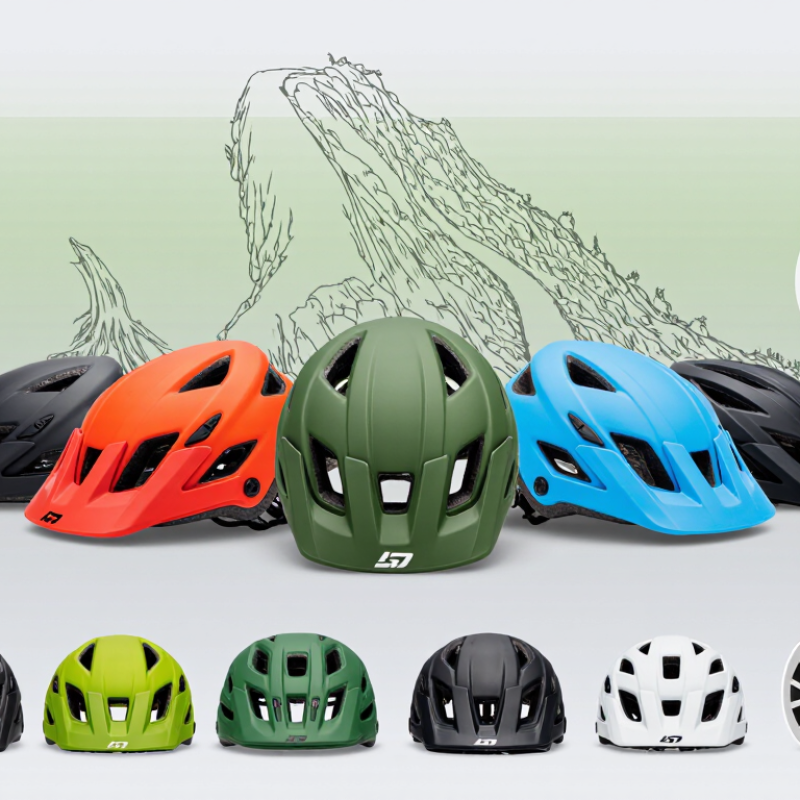
How Mountain Bike Helmets Protect Riders
Top Mountain Bike Helmets for Safety and Comfort
How Mountain Bike Helmets Protect Riders
Impacts happen fast. A mountain bike helmet helps manage impact energy: its crushable liner compresses, while the outer shell spreads force across a wider area. The retention system helps keep the helmet in place when a rider hits the ground. Coverage around the temples and back of the head matters on rough trails, where falls can happen at awkward angles. A helmet cannot prevent every concussion or injury, but a correctly fitted one adds an important layer of protection.
Research supports wearing one. A 2017 systematic review in the International Journal of Epidemiology pooled 40 studies and found helmet use was associated with 51% lower odds of head injury and 69% lower odds of serious head injury among cyclists. These results cover cycling broadly, not mountain biking alone, so they should not be read as a guarantee on the trail. Even so, the evidence is relevant: head protection can make a meaningful difference.
Tips: Check that the helmet sits level, feels snug, and does not shift when you shake your head. Adjust the straps so they form a V below each ear, then fasten the chin buckle. It is easy to rush this check. Recheck the fit after changing hairstyles or adding a liner, and replace a helmet after a significant impact.
Safety Standards and Impact-Protection Technologies
A mountain-bike helmet’s safety label tells you which test standard it was designed to meet. Standards differ by region and riding style, so check the label and manufacturer’s guidance before buying. Some downhill-oriented helmets are tested under more demanding conditions than general cycling helmets. Certification is useful evidence, but it cannot promise that a rider will avoid injury. No helmet can.
Impact-protection designs may use foam that compresses during a crash, spreading or absorbing some impact energy. Some helmets also include a low-friction layer intended to reduce rotational forces in certain impacts. These features are not interchangeable, and no single technology prevents every type of head injury. Fit matters. A helmet should sit level, cover the forehead, and stay secure when you shake your head. I’ve seen riders focus on technical features while overlooking a loose rear strap; that detail deserves a second look.
Tips: Check that the certification label is intact and the helmet fits without painful pressure. Adjust the straps so they form a snug V beneath each ear. Replace a helmet after a significant impact, even if its shell looks fine. Foam damage can be hidden. Follow the maker’s replacement guidance, too, since age and storage conditions may affect materials.
Helmet Fit, Coverage, and Retention Systems
A mountain bike helmet should sit level, with its front edge roughly one or two finger-widths above the eyebrows. Tighten the retention dial until the shell stays put when you gently shake your head. It should feel secure, not pinch your temples. No wobble. The side straps should meet just below each ear, and the chin strap should allow about one or two fingers beneath it. Recheck the fit after adjusting the dial; changing one strap can shift the whole helmet.
Coverage matters on rough trails, where a fall may send a rider backward or sideways. Look for a shell that extends over the rear of the head, then confirm it does not tip upward when you pull at the front edge. Virginia Tech Helmet Lab’s Bicycle Helmet STAR ratings compare helmets using controlled impact tests, offering useful evidence alongside a real fit check. A 2017 meta-analysis by Olivier and Creighton found helmet use was associated with 51% lower odds of head injury and 69% lower odds of serious head injury. These pooled results do not guarantee protection in every crash. Fit advice is not perfectly universal; head shapes differ, and a helmet that feels secure in the shop may shift on a bumpy descent.
Mountain Bike Helmet Fit: Practical Fit Checks
A secure fit supports both comfort and coverage. Use these general finger-width checks, and follow the instructions for your helmet.
Wear the helmet level and low on the forehead; the side straps should form a V just below each ear. The helmet should feel snug and resist rocking when you move your head.
Ventilation and Other Features That Improve Comfort
Ventilation is more than a row of large openings. Well-shaped vents can guide air across the scalp and release heat near the back of the helmet. On a slow climb, that airflow may feel limited, so no helmet stays cool in every condition. Small details matter. A smooth interior channel can reduce the stuffy feeling, while moisture-wicking padding helps manage sweat around the forehead. Removable pads are useful for washing, though they can take time to dry.
Fit comes first. A helmet should sit level, feel snug, and stay steady when you shake your head, without creating painful pressure points. Adjust the retention dial with the chin strap fastened; the straps should meet just below the ears. Too tight is uncomfortable. Too loose can let the helmet shift during a ride. I used to think extra vents automatically meant better comfort, but fit and riding pace matter just as much. That assumption needs a second look. A visor can help shade the eyes, yet a bulky one may catch branches on narrow trails. Check for applicable safety certification, then try the helmet with your usual glasses or riding eyewear. A five-minute fitting indoors won’t reveal every hot spot.
Top Mountain Bike Helmets for Safety and Comfort — Ventilation and Other Features That Improve Comfort
| Helmet Type |
Typical Weight* |
Ventilation and Coverage |
Comfort Features to Look For |
Safety Checks |
Best Suited To |
| Cross-country (XC) |
About 250–350 g |
Often 18–30 vents; open airflow channels and relatively light coverage. |
Low weight, adjustable retention system, removable washable padding, and a visor that can be positioned or removed. |
Check that the exact model and size meet the bicycle-helmet standard required in your region. |
Climbing, long rides, and warm-weather trails where low weight and airflow are priorities. |
| Trail |
About 300–450 g |
Typically combines multiple vents with deeper rear coverage than an XC-style helmet. |
Secure fit adjustment, comfortable moisture-managing pads, eyewear compatibility, and a well-positioned visor. |
Look for applicable certification and a stable fit that does not shift when you move your head. |
General mountain biking and varied terrain requiring a balance of airflow and coverage. |
| Enduro / convertible full-face |
About 600–1,000 g, depending on configuration |
More facial and side coverage than an open-face helmet; airflow varies by design. Some models have a removable chin bar. |
Secure closures, removable washable liners, adequate cheek-pad fit, and ventilation that remains comfortable at climbing speeds. |
Verify certification for the specific configuration being worn. A removable chin bar does not automatically mean the helmet is certified for every use. |
Riders seeking added coverage for demanding descents while retaining a more adaptable setup. |
| Downhill full-face |
About 900–1,300 g |
Full-face shell with a chin bar; ventilation openings are generally designed around protection as well as airflow. |
Correct cheek-pad fit, secure strap, breathable removable liner, and space for goggles without obstructing the helmet. |
For downhill riding, check for a relevant downhill-specific standard, such as ASTM F1952, where applicable, as well as local requirements. |
Bike-park and downhill riding where full-face coverage is preferred. |
| Rotational-impact feature |
Varies by helmet |
Not a ventilation feature; it may use a low-friction layer or another design intended to address certain angled impacts. |
Make sure any added liner or system does not create pressure points and that the helmet still fits securely. |
Check the helmet’s certification and manufacturer documentation; no feature can prevent every head injury. |
Riders comparing additional impact-management features across otherwise suitable helmets. |
| Fit and selection note: Weight and vent counts are approximate ranges for common helmet categories, not specifications for every model. Choose a helmet that sits level, feels secure without painful pressure, and is certified for your intended use and region. Replace a helmet after a significant impact and follow its care instructions. |
Comparing Helmet Designs for Different Riding Styles
A cross-country helmet should feel light and ventilated during long climbs, where sweat and neck fatigue can become distracting. Its lower-profile shell suits steady trail riding, but offers less coverage around the temples and rear of the head than many trail designs. For rocky, technical routes, a deeper rear shell and a secure retention system help keep the helmet positioned when riders look down or move quickly. Small fit details matter: check for pressure points, then shake your head gently with the strap fastened. It should stay put. Visors can help block low sun and branches, though an oversized visor may restrict upward vision on steep climbs.
Downhill and enduro designs generally prioritize extended coverage and secure fit over maximum airflow. Full-face models add chin protection, but can feel hot during slow climbs; removable chin bars are a compromise, not a perfect one.
A 2017 systematic review in Accident Analysis & Prevention, pooling 64,000 injured cyclists across 40 studies, found helmet use associated with 48% lower odds of head injury and 60% lower odds of serious head injury.
These findings cover cycling broadly, not mountain biking alone. For additional comparison, Virginia Tech’s independent bicycle-helmet ratings assess impact performance using laboratory tests; a high rating is useful evidence, but cannot guarantee protection in every crash. Choose a certified helmet that fits your riding terrain and head shape, then replace it after a significant impact. Some helmets simply fit awkwardly, even when their features look impressive on paper.
Conclusion
A Mountain Bike Helmet helps protect riders by absorbing and dispersing impact forces, while its extended coverage can shield more of the head during trail riding. Safety certifications provide a useful baseline, and impact-management technologies may offer additional protection in certain crash scenarios. However, no helmet can prevent every injury, so choosing one that meets recognized safety standards is essential.
Fit and comfort matter just as much as protective design. A helmet should sit level, feel secure without creating pressure points, and stay in place with its retention system properly adjusted. Well-positioned vents, lightweight construction, and practical features can improve comfort on long rides. Riders can compare open, trail-oriented, and more enclosed designs according to their terrain, pace, and coverage preferences, then choose the option that balances protection, ventilation, and a dependable fit.