On-site assessed supplier · OEM / ODM cycling, motorcycle & ski gear for global B2B buyers
English
0%

Choosing the right Photochromic Cycling Sunglasses can improve comfort, visibility, and confidence on changing roads. A bright morning may become a shaded forest route within minutes. One lens must handle both conditions.

That sounds simple. It is not always.

Photochromic lenses darken in stronger light and become clearer in lower light. However, their speed and darkness range vary between models. Temperature can also influence their response. Cold weather may slow the transition, while a car windshield can reduce activation because glass blocks much ultraviolet light. These details matter during long rides.

I have tested cycling eyewear in open sunlight, tree-covered lanes, and sudden cloud changes. The difference was noticeable. Some lenses felt clear and stable, while others created distracting reflections near the edges. A secure frame also matters when descending, sweating, or wearing a helmet. Poor ventilation can leave the lens fogged at an inconvenient moment.

No lens is perfect.

This guide explains how to compare lens performance, UV protection, optical clarity, fit, ventilation, and durability. It also considers real riding habits, not only attractive product descriptions. Look for transparent manufacturer information and recognized safety standards relevant to your region. Check whether the claimed protection applies across the full lens, not just its central area.

Personal preference still matters. A commuter may value fast transitions, while a mountain rider may prefer maximum contrast and stronger coverage. Some recommendations may seem obvious, yet they can fail in your climate or riding style. Careful testing remains useful. The best choice should feel reliable before the ride becomes demanding.
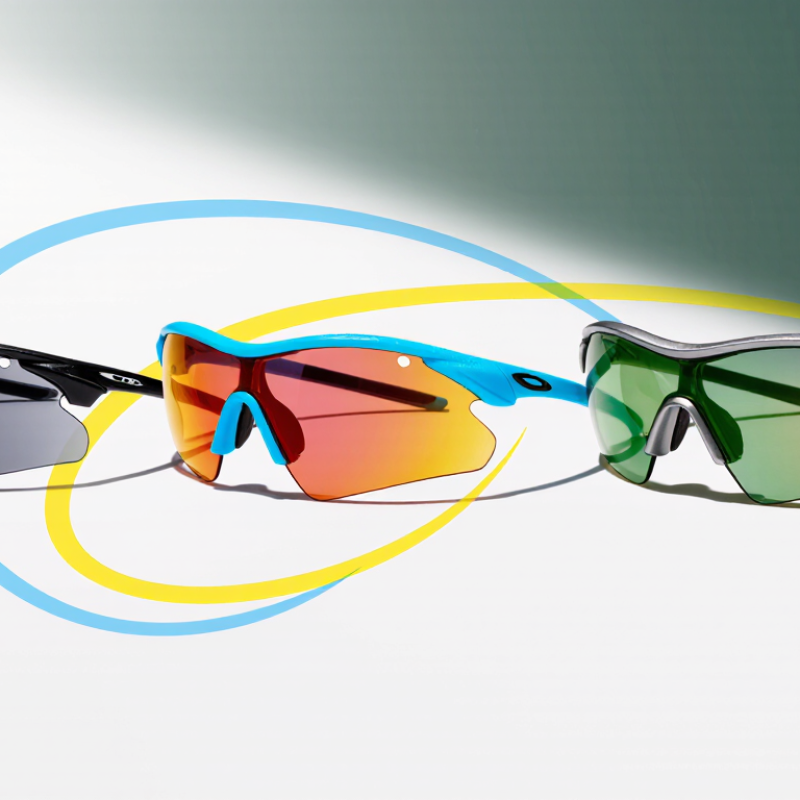
How to Choose the Best Photochromic Cycling Sunglasses

Understand How Photochromic Cycling Sunglasses Work

Photochromic cycling sunglasses use light-sensitive molecules embedded in the lens. Ultraviolet radiation triggers these molecules to change shape. The lens then darkens and reduces the light reaching your eyes. When UV exposure falls, the molecules gradually return to their clear state.

This change is automatic, but it is not instant. On a bright road, darkening may take several seconds or longer. Cooling temperatures can slow the reaction. Heat may make the lens change faster, but performance still varies by lens design.

Many car windshields block much UV, so these lenses may remain surprisingly clear inside a vehicle. They work best outdoors, where sunlight reaches the lens directly.

I learned this during a morning ride under mixed clouds. The lens handled open roads well, yet stayed darker than expected under tree cover. That small delay matters near sharp turns.

Choose a lens with a wide usable range, strong optical clarity, and a stable frame fit. Check whether it reaches a dark enough shade for your local sunlight. Photochromic lenses reduce frequent lens changes, but they cannot replace judgment.

Carrying a clear backup lens is sensible for night riding or sudden indoor stops. Fit still matters most. A lens that moves with every bump can create glare, blur, and eye strain. Test the sunglasses while looking down and turning your head. Small flaws become obvious on the road.

Match Lens Performance to Your Cycling Environment

Photochromic cycling sunglasses work best when lens performance matches your route. On open roads, choose lenses that darken quickly under strong, direct sunlight. A medium-to-dark tint can reduce glare from pale asphalt and passing car windows. In forests, light changes sharply between bright gaps and cool shade. Here, a wide transmission range matters more than maximum darkness. The lens should clear fast enough to reveal roots, potholes, and wet leaves.

Cloudy conditions need a usable light base, not a nearly clear lens with weak contrast. For winter rides, check the stated UV protection and cold-weather performance. Some lenses change more slowly in low temperatures. I learned this after entering a shaded descent with lenses that stayed too dark. The problem was not comfort; it was delayed visual adjustment. I also once trusted a broad advertised range without testing the frame fit. That was a mistake. A secure nose bridge and stable temples prevent movement when you stand on the pedals. An optician can assess optical clarity and prescription compatibility.

Tips: Match the lens to your longest exposure, not your driveway. Test the glasses before a long ride. Check for edge distortion and side glare. Clean lenses with water and a soft cloth. Avoid assuming darker means safer. It can hide detail. Reconsider your choice after one difficult ride.

Choose the Right Fit, Coverage, and Frame Design

A good pair of photochromic cycling sunglasses should feel secure before the ride begins. Place them on your face without adjusting the arms. They should sit evenly across your nose and leave no painful pressure behind your ears. When you smile or turn your head, the frame should stay in place. A helmet can change that fit, so test both together. Small gaps near the cheeks may allow wind, dust, and insects to enter.

Coverage matters on fast roads and exposed trails. Choose lenses that extend toward the temples without touching your eyelashes. Wider lenses protect against side glare, especially during low-angle morning sunlight. They should also cover the upper face beneath the brow. This reduces direct light when you lean forward over the handlebars. However, maximum coverage is not always better. Oversized lenses may trap heat and fog during slow climbs. Ventilation slots can help, but their position deserves careful inspection.

Frame design affects comfort over several hours. Lightweight materials reduce pressure, while flexible temples can handle repeated helmet adjustments. Look for a stable bridge and smooth edges. Photochromic lenses need clear optical quality across the full viewing area. I once chose a frame that felt perfect indoors, yet it slipped badly on a wet descent. That mistake changed my fitting routine. I now test sunglasses with a helmet, gloves, and a short, realistic head movement. A mirror cannot reveal everything. Pay attention to blind spots, fogging, and whether the frame blocks your view when checking traffic.

How to Choose the Best Photochromic Cycling Sunglasses - Choose the Right Fit, Coverage, and Frame Design

Selection Dimension What to Check Useful Standard or Measurement Best Choice for Cycling Why It Matters
Lens Category Visible Light Transmission (VLT) Category 0: 80–100% VLT; Category 1: 43–80%; Category 2: 18–43%; Category 3: 8–18%. Category 1–3 transition Provides useful coverage for changing conditions, from shade and overcast weather to bright sun.
Light-Condition Range Minimum and maximum VLT of the lens A practical cycling lens often changes from approximately 80–90% VLT in low light to about 10–20% VLT in strong sunlight. Choose a range suited to the route, season, and expected exposure. A wider range reduces the need to change lenses during a ride.
Frame Width Lens and frame width compared with facial width The frame should sit securely without pressing the temples. A small gap is acceptable, but excessive side gaps reduce protection. Medium or wide coverage for most road and gravel riding. A stable width helps prevent movement and limits wind, dust, and peripheral glare.
Nose Bridge Fit Nose-pad position, bridge width, and adjustability The bridge should rest comfortably without pinching or sliding when the head tilts forward. Adjustable nose pads or multiple bridge positions. Improves comfort and keeps the lens centered during prolonged effort.
Temple Fit Grip, length, and pressure behind the ears Temples should remain secure during head movement without creating painful pressure points. Flexible, non-slip temple tips with moderate tension. Reduces bouncing on rough surfaces and improves fit under a helmet.
Coverage Top, bottom, and side protection Lens coverage should shield the central and peripheral field of view without touching the cheeks or eyelashes. Large, wraparound or shield-style lenses with a clear line of sight. Helps block ultraviolet radiation, wind, insects, dust, and reflected light.
Optical Quality Distortion, clarity, and visual consistency Look through the center and edges of the lens; straight lines should not bend or appear to move when the head moves. Optically clear lenses with minimal edge distortion. Clear vision supports accurate hazard detection and reduces eye strain.
UV Protection UVA and UVB blocking Choose lenses labeled for 100% UVA and UVB protection or UV400 protection. 100% UVA/UVB protection Lens darkness alone does not indicate ultraviolet protection.
Photochromic Activation Speed of darkening and lightening Activation time varies with temperature, UV intensity, lens construction, and product design; cold conditions commonly slow the transition. Consistent transitions with no distracting color or brightness jumps. Helps the eyes adapt when moving between open roads, tree cover, and tunnels.
Wind Ventilation Vent openings and airflow around the lens Ventilation should reduce fogging while avoiding direct high-speed airflow into the eyes. Small, strategically placed vents or a controlled lower-lens airflow channel. Limits condensation during climbs, cool weather, and high-effort riding.
Frame Material Weight, flexibility, and impact resistance Lightweight, flexible frame materials generally improve comfort; impact-resistant lens materials are preferred for active use. Flexible frame with impact-resistant polycarbonate or comparable protective lenses. Balances durability, comfort, and protection from road debris.
Helmet Compatibility Interaction between temples, retention straps, and helmet padding Wear the sunglasses with the intended helmet and check for pressure, interference, and stable positioning. Low-profile temples and a frame that does not disturb helmet fit. Prevents discomfort and keeps both protective systems correctly positioned.
Anti-Fog and Surface Treatments Resistance to condensation, water, oil, and scratches Prefer a durable anti-fog treatment and a hard coating; no coating makes a lens completely scratch-proof. Anti-fog performance combined with easy-clean and scratch-resistant treatments. Maintains visibility in wet, humid, and dusty riding environments.
Frame Design Full-frame, half-frame, or frameless construction Full frames can add rigidity; half-frame and frameless designs can improve downward visibility and reduce visual obstruction. Choose based on stability, ventilation, field of view, and personal comfort. Frame structure affects weight, durability, peripheral vision, and airflow.
Use-Case Match Road, gravel, commuting, or mixed-weather riding Open-road rides favor coverage and glare control; mixed-weather routes favor a broad VLT range and dependable transitions. Match lens range and frame coverage to the most frequent riding conditions. The best specification depends on actual light exposure rather than appearance alone.
Fit Test Movement, comfort, and field of view Shake the head gently, look down in a riding position, and check for slipping, cheek contact, pressure, or blocked vision. Stable, comfortable, unobstructed A practical fit test is more reliable than frame measurements alone.

Note: VLT categories follow commonly used lens-transmission classifications. Actual photochromic performance can vary with temperature, ultraviolet exposure, lens design, and riding conditions.

Evaluate UV Protection, Durability, and Optical Clarity

Choosing photochromic cycling sunglasses starts with UV protection, not tint speed. The World Health Organization estimates that up to 20% of cataract-related blindness may result from ultraviolet exposure. Look for lenses marked 100% UVA and UVB protection, and verify testing against a recognized standard, such as ISO 12312-1. Darker lenses do not automatically block more UV.

Durability matters on rough roads. ANSI/ISEA Z87.1 impact-testing principles provide a useful safety reference, although cycling eyewear may follow different product standards. Inspect lens edges, hinges, and nose pads before buying. A secure frame should resist twisting without pressing painfully against your temples. Polycarbonate or comparable impact-resistant materials can reduce breakage risk, but scratches still weaken daily visibility. Keep the case nearby.

Optical clarity is easy to underestimate. Photochromic lenses change density with light, yet their speed can vary with temperature, especially in cold mountain air. Check the lens in a shaded room, then outdoors. Straight lines should remain straight near the edges. Distortion, glare, or a hazy center can become tiring after two hours in the saddle. The European Commission’s Scientific Committee on Health, Environmental and Emerging Risks has repeatedly linked optical quality and glare control with visual comfort, not merely appearance. My own buying mistake would be trusting a fast tint transition without testing peripheral vision. Clarity matters. A wide lens can still create distracting reflections.

Compare Features, Maintenance Needs, and Overall Value

Choosing photochromic cycling sunglasses starts with matching features to your riding conditions. A lens that darkens quickly helps on exposed roads. However, many lenses change more slowly in cold weather. Check the stated light-transmission range, not only the darkest shade. For mixed trails, clear-to-medium-dark coverage is often practical. Confirm documented UV protection from reliable product information. Distortion also matters. Look through the lens edges before buying. Peripheral vision should remain clear when checking traffic. A secure nose bridge and adjustable arms prevent constant readjustment. Small details matter.

Maintenance affects performance over time. Rinse the lenses with lukewarm water after dusty rides. Then use a clean microfiber cloth, not a jersey sleeve or paper towel. Sweat and sunscreen can damage coatings when left overnight. Choose frames with ventilation, but remember that no system prevents every fogging problem. Store the glasses in a hard case, especially beside tools or loose helmet straps. Inspect hinges and nose pads regularly. Replacement parts can extend useful life.

Overall value depends on durability, comfort, and optical consistency, not price alone. A cheaper pair may offer uneven tint changes or a fragile frame. A higher-priced option is worthwhile only when its warranty and replacement support are clear. I once prioritized a darker lens and regretted losing visibility under tree cover. That mistake changed how I compare products. Test fit with your helmet if possible. A slightly imperfect fit can become painful after three hours. Keep receipts and product specifications for honest comparisons.

FAQS

How do photochromic cycling sunglasses change tint?

UV radiation changes light-sensitive molecules inside the lens. The lens darkens and reduces incoming light. When UV decreases, it gradually clears.

Do photochromic lenses change instantly?

No. Darkening may take several seconds or longer. Cooling temperatures can slow the reaction. Small delays matter on sharp turns.

Why can lenses stay clear inside a car?

Many windshields block much ultraviolet radiation. The lenses may receive too little UV to darken properly. Outdoor use works better.

What lens range suits mixed cycling conditions?

A clear-to-medium-dark range often works well on mixed trails. Check light transmission, not only the darkest shade. Local sunlight matters.

Can photochromic sunglasses replace carrying another lens?

Not completely. Carry a clear backup lens for night rides or sudden indoor stops. Automatic tinting still has limits.

What fit details improve comfort and vision?

A secure nose bridge and adjustable arms reduce movement. Test the glasses with your helmet. Turn your head and look down. Movement creates blur and eye strain.

How should cyclists clean and store these sunglasses?

Rinse dusty lenses with lukewarm water. Dry them with a clean microfiber cloth. Avoid paper towels and jersey sleeves. Store them in a hard case.

How can cyclists judge overall value?

Compare durability, comfort, optical clarity, warranty support, and replacement parts. A higher price means little without reliable performance. I once chose darkness over visibility and regretted it. That judgment needed improvement.

Conclusion

Choosing the best Photochromic Cycling Sunglasses starts with understanding how photochromic lenses react to changing light. They automatically adjust their tint, becoming darker in bright sunlight and lighter in shaded or low-light conditions. When comparing options, consider your usual cycling environment, including road, trail, weather, and time of day, to ensure the lens changes quickly and provides suitable contrast and visibility.

A comfortable fit is equally important. Look for secure, adjustable frames with sufficient coverage to protect your eyes from wind, dust, and reflected light without restricting peripheral vision. Also evaluate reliable UV protection, impact resistance, scratch resistance, and clear optical performance. Features such as ventilation, interchangeable components, and easy cleaning can improve long-term usability. By balancing lens performance, comfort, durability, maintenance needs, and price, you can select sunglasses that offer dependable protection and practical value for everyday rides.

Henry

Henry

Henry is a dedicated marketing professional with a strong understanding of the company’s products, customers, and industry environment. With a practical approach to market research, content strategy, and customer communication, he helps transform complex product information into clear, useful, and......