On-site assessed supplier · OEM / ODM cycling, motorcycle & ski gear for global B2B buyers
English
0%

For global riders, a flat tire can turn a short commute into a long walk. An Electric Bike Air Pump should offer reliable pressure, simple controls, and enough power for common bicycle tires. It should also work comfortably with Presta and Schrader valves, which are widely used across different markets. Small details matter. A bright display helps in dim parking areas, while a compact body fits better beside a charger or repair kit.

This guide examines ten electric bike air pumps for international buyers. We compare inflation speed, maximum pressure, battery capacity, noise, portability, and charging options. We also consider heat buildup during repeated inflation, because advertised performance may not match everyday use. A pump that fills one tire quickly may struggle with several tires in succession. That difference matters during touring, commuting, or roadside repairs.

Practical testing gives useful insight, but no single test represents every rider or climate. Cold temperatures can reduce battery performance, and valve compatibility may vary by model. Some product specifications also change between regions. Buyers should verify local versions, included adapters, charging standards, warranty terms, and service support before purchasing. Our recommendations focus on dependable features rather than impressive numbers alone. A perfect pump does not exist. The right one balances pressure accuracy, carrying comfort, charging convenience, and honest limitations for your riding needs.
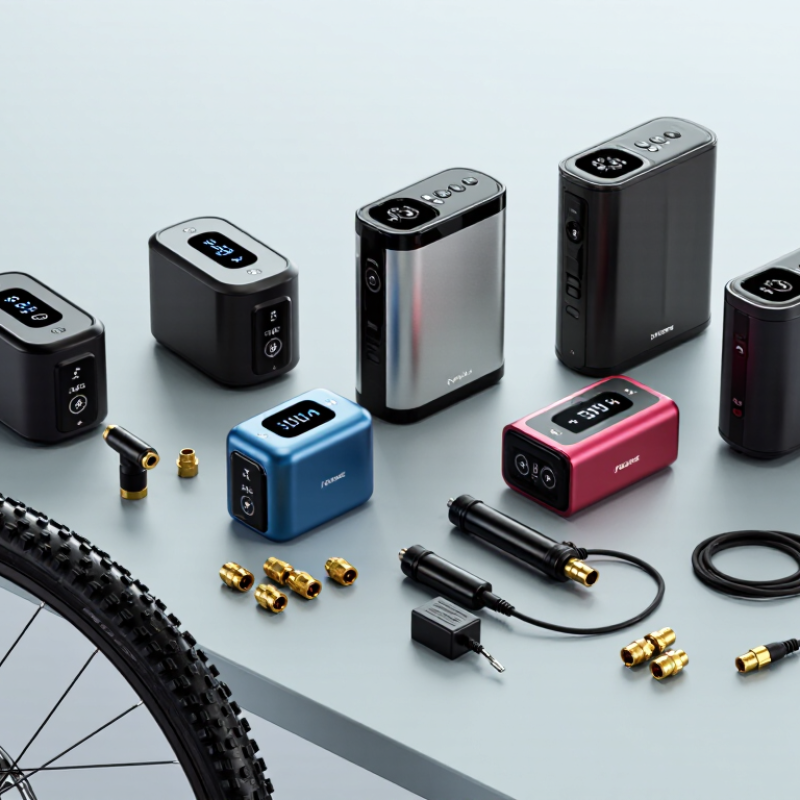
10 Best Electric Bike Air Pumps for Global Buyers

Electric Bike Air Pumps: Purpose, Types, and Essential Features

Electric Bike Air Pumps: Purpose, Types, and Essential Features

Electric bike air pumps provide quick, controlled inflation for commuting, touring, and roadside repairs. The International Energy Agency reported over 25 million electric two- and three-wheelers sold globally in 2022. That expanding fleet increases demand for practical maintenance tools. A portable pump can restore pressure beside a wet cycle path, without searching for a service station.

Common types include cordless mini pumps, rechargeable hand pumps, and corded inflators for garages. Cordless models suit daily riders, but their batteries may weaken in cold weather. Corded units usually deliver longer operating time. They are less convenient outdoors. A reliable pump should offer automatic shutoff, clear pressure readings, multiple units, and compatibility with both Presta and Schrader valves. A flexible hose helps protect delicate valve stems.

Pressure accuracy matters more than impressive speed. The U.S. Consumer Product Safety Commission advises following manufacturer instructions for tire inflation and equipment use. Always check the tire sidewall and measure pressure when the tire is cool. Look for thermal protection, replaceable seals, a secure valve head, and a battery indicator. In practical testing, small screens can be difficult to read under bright sunlight. I still question advertised noise levels, because outdoor conditions rarely match laboratory measurements. Market estimates from the Global Electric Bike Market Report suggest strong long-term e-bike growth, but pump specifications remain inconsistent across sellers. Check the warranty terms and independent test methods before buying.

10 Best Electric Bike Air Pumps for Global Buyers — Electric Bike Air Pumps: Purpose, Types, and Essential Features

This chart shows typical tire-pressure ranges for common electric-bike tire setups. Actual pressure depends on rider weight, load, terrain, tire width, and the pressure printed on the tire sidewall.

For global buyers, a suitable pump should support the pressure range required by the intended tire type, provide an accurate gauge, include compatible valve adapters, and offer automatic shutoff or pressure presets when available.

How to Choose the Right Air Pump for Different E-Bike Tires

10 Best Electric Bike Air Pumps for Global Buyers

How to Choose the Right Air Pump for Different E-Bike Tires

Choosing an electric bike air pump starts with the tire, not the pump’s appearance. Read the pressure range printed on the sidewall or listed in the bicycle manual. Narrow road tires often need higher pressure, while mountain and fat tires require more air volume at lower pressure. City tires usually sit between these needs. Small details matter.

For frequent travel, choose a pump with a clear digital gauge, adjustable pressure, and automatic shutoff. The gauge should display both PSI and bar for international use. Check the valve connection carefully. Many bicycles use Presta valves, while others use Schrader valves. A secure hose reduces air loss and protects delicate valve stems. A built-in light can help during roadside repairs, but it should not replace a reliable pressure reading.

Battery capacity also deserves attention. A compact pump may inflate one tire well but struggle with two fully deflated tires. Test the unit before a long ride. It should remain cool enough to hold safely, and its charging port should resist dust. I once trusted an impressive pressure number and ignored slow airflow; that was a poor choice. High pressure is not always better. Overinflation can reduce grip on wet paths, while low pressure may damage the rim after a sharp impact. Check pressure when tires are cool, then adjust for your riding surface and load.

Top Electric Bike Air Pumps Compared by Performance and Portability

Electric bike air pumps now compete on more than maximum pressure. Grand View Research estimated the global e-bike market at about USD 49.7 billion in 2023, with strong growth expected through 2030. That expansion increases demand for reliable roadside inflation tools. For daily commuting, compare real inflation speed, pressure accuracy, battery capacity, and heat control. A pump reaching 150 PSI may sound impressive, but most e-bike tires require far less pressure. Accuracy matters more.

Portability changes the buying decision. Compact pumps commonly weigh between 400 and 800 grams, based on specifications reviewed across current cycling equipment reports. Lighter models fit a frame bag, while larger units often inflate tires faster. Look for a clear digital gauge, automatic shutoff, USB-C charging, and a hose that keeps fingers away from hot metal. Noise also matters in quiet neighborhoods. Some performance claims seem optimistic, especially when tested from a full battery. Real use can be slower in cold weather or after repeated inflation.

Tips: Test the pump with your actual tire before a long ride. Record inflation time and battery loss. Check pressure with a separate gauge. Small errors can affect comfort, cornering, and range. Portable pumps are convenient, but they are not perfect replacements for a workshop compressor. Industry testing guidance from the European Tyre and Rim Technical Organisation also supports checking tire pressure against the tire and rim maker’s limits, not the pump’s maximum rating.

Battery Life, Inflation Speed, Accuracy, and Safety Considerations

Choosing among the 10 best electric bike air pumps requires more than comparing prices. Battery life matters during long rides, travel, and unexpected punctures. A dependable pump should inflate several tires on one charge. Check capacity, charging time, and remaining-power indicators. USB-C charging is convenient for global buyers, but plug adapters may still be necessary. Cold weather can reduce real-world capacity. Advertised inflation cycles often seem optimistic. Check the basics.

Inflation speed matters when a tire loses pressure beside a busy road. However, maximum pressure figures rarely tell the complete story. A pump may reach high pressure slowly on a wide tire. Look for measured inflation times at common pressures, such as 45 or 60 psi.

Digital gauges should remain readable in sunlight. Accuracy within a few psi can affect comfort, grip, and rolling resistance. Small errors matter. Verify readings with a separate gauge whenever possible.

Safety

Safety deserves equal attention. Choose automatic shutoff, heat protection, secure hose connections, and a stable base. Let the unit cool after repeated inflations. Keep fingers away from moving parts and avoid touching a hot nozzle. Read the manual for valve compatibility and pressure limits. A compact pump can be powerful, but its casing may become uncomfortably hot. Noise claims also vary in enclosed spaces. Global buyers should check warranty support, replacement seals, and local charging compatibility before ordering.

Proper Use, Maintenance, and Global Buying Factors for E-Bike Pumps

Electric bike pumps are becoming practical travel tools, not workshop luxuries. The IEA’s Global EV Outlook 2024 counted over 65 million electric two- and three-wheelers sold worldwide in 2023. That scale makes dependable inflation equipment relevant across climates, plugs, and service standards.

Check the tire sidewall and rim guidance before inflating. Remove the valve cap, attach the correct head, and hold the hose straight. Stop at the recommended pressure range.

Do not chase the pump’s maximum number. The ETRTO Standards Manual remains a useful technical reference for tire and rim compatibility.

In my experience, a compact digital gauge still helps because pump displays can disagree. Annoying, but real.

After each ride, wipe dust from the connector, release pressure from the hose, and inspect the seal for cracks. Recharge the battery before storage, but avoid leaving it fully charged for months.

Global buyers should compare pressure units, valve compatibility, charging ports, and operating temperatures.

A USB-C model may suit international travel, while a 12-volt model needs vehicle access. Confirm the input rating and included adapters.

For pumps with lithium batteries, check UN 38.3 transport documentation before flying or shipping.

The International Energy Agency reports that electric two- and three-wheeler adoption is especially strong in Asia, where heat, humidity, and heavy daily use can expose weak seals quickly.

Choose a replaceable hose, readable controls, and a tested pressure sensor.

Waterproof claims need scrutiny. An IP rating is more useful than vague marketing language.

FAQS

How should I choose an air pump for my e-bike tires?

Start with the tire’s recommended pressure, not the pump’s appearance. Narrow tires need higher pressure. Fat tires need more air volume.

Which pump works for road, city, and mountain tires?

Road tires need strong high-pressure performance. Mountain tires need steady airflow at lower pressure. City tires usually need a balanced pump.

Why do valve types matter?

Many bicycles use Presta valves. Others use Schrader valves. Choose a pump with a secure, compatible connection. Loose fittings waste air.

What features help during roadside repairs?

Select an automatic shutoff, readable digital gauge, and adjustable pressure. A built-in light can help after sunset. It cannot replace accuracy.

How much battery capacity is enough?

A small pump may handle one tire but struggle with two flat tires. Check charging time and remaining-power indicators. Test it before traveling.

Should I trust the pump’s maximum pressure rating?

Not completely. A wide tire may inflate slowly at high pressure. Check real inflation times around 45 or 60 psi.

How can I improve pressure accuracy?

Check tires when they are cool. Compare the pump with a separate gauge when possible. A small error can affect grip and comfort.

What safety details should I inspect?

Look for heat protection, automatic shutoff, a stable base, and a secure hose. Let the pump cool after repeated use. Hot nozzles can hurt.

What should global buyers check before ordering?

Confirm charging compatibility, dust resistance, warranty support, and replacement seals. Cold weather may reduce battery capacity. Advertised cycles can seem optimistic.

Conclusion

Choosing the right Electric Bike Air Pump can make tire maintenance faster, safer, and more convenient for riders worldwide. This guide explains the main pump types, including compact rechargeable models, corded options, and manual backup designs, while highlighting essential features such as pressure presets, digital displays, valve compatibility, built-in lighting, and protective automatic shutoff. It also shows how to match pump performance with different e-bike tire sizes, pressure requirements, and riding conditions.

The comparison focuses on inflation speed, battery capacity, portability, pressure accuracy, noise, durability, and safety during use. Readers will learn practical techniques for attaching the pump, checking pressure, avoiding overheating, and storing the device properly. Maintenance advice covers charging habits, cleaning, hose inspection, and battery care. Finally, the guide outlines important global buying considerations, including plug compatibility, charging standards, product specifications, warranty availability, shipping conditions, and after-sales support, helping buyers select a reliable pump for everyday commuting, touring, and emergency roadside use.

Henry

Henry

Henry is a dedicated marketing professional with a strong understanding of the company’s products, customers, and industry environment. With a practical approach to market research, content strategy, and customer communication, he helps transform complex product information into clear, useful, and......